


-
414 Block B, ZT Times Plaza, Wuhan, Hubei, China

Blog
How Ezbke Builds Sharing Scooters For Rugged Use
If you run fleets, you already know the truth: rugged doesn’t mean “won’t break ever.” It means it breaks less, and when it breaks, you fix it fast. That’s the whole game.
Here’s the core argument in one line:
EZBKE builds rugged sharing scooters by stacking (1) sharing-grade hardware, (2) low-maintenance design, and (3) fleet software + connectivity, so your ops team gets more ride time and fewer ugly surprises.
And yes, I’m going to say it blunt: if you only buy “strong frame + big battery,” you’ll still suffer. Your fleet will look fine in photos, then die slowly on rainy Tuesdays.
Fleet Maintenance and Damage Management in Shared Scooter Fleets
Rugged use starts with the boring stuff: water, dust, curb hits, vibration, and “someone tried to jump a stair set.” If your scooter can’t handle that, your uptime turns into a joke.
On our Sharing Scooter category page, we position the line as “rigorous sharing-spec,” with IP-rated hardware, commercial batteries, and built-in GPS/Bluetooth locks. That’s not fluff. It’s the baseline for real-world fleet abuse.
Also, our fleet blog calls out the operator reality: poor maintenance drops availability and hurts satisfaction. That matches what most fleet teams see in the field, even if they hate admitting it.
Practical street example:
A scooter parks outside a bar. Rain hits. Someone kicks it over. If the controller box isn’t sealed well, you don’t get “a small issue.” You get a dead unit, a truck roll, and a support ticket spiral.
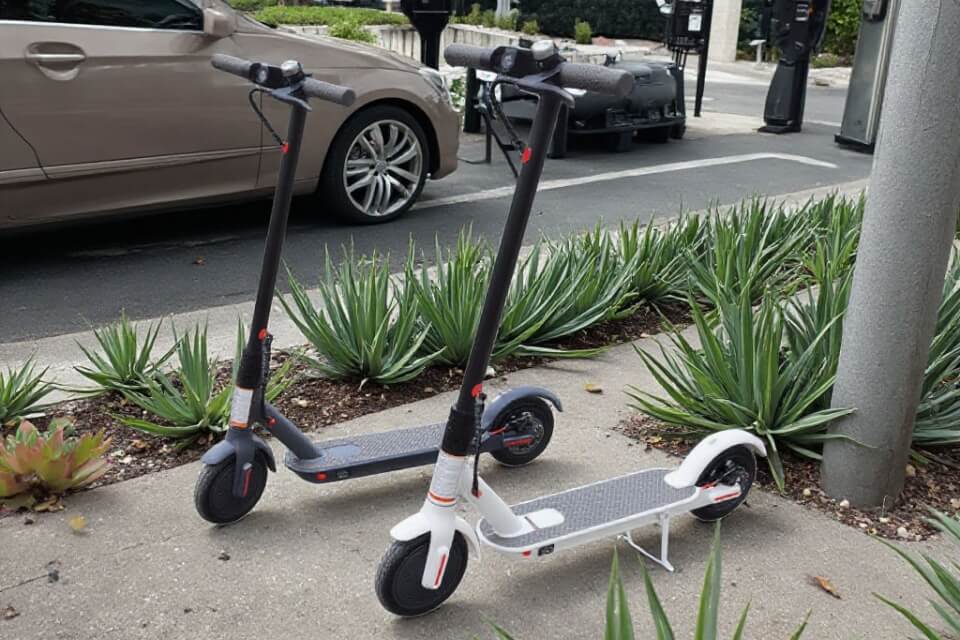
Low-Maintenance Sharing Scooter — what “easy to service” really means
Your “easy to service” story is strong because it doesn’t pretend scooters are unbreakable. It defines “easy” in ops terms: less wrench time, more ride time.
From our blog, “easy to service” includes:
- Sharing-grade spec from day one (IP65 sealing, protected wiring, long cycle life batteries).
- Built-in GPS / Bluetooth locks, so operators don’t bolt random parts later.
- Airless / non-inflatable tires, so flats don’t create a daily repair queue.
- Swappable packs + OTA + fault codes, so techs can move faster and diagnose remotely.
That’s a real rugged strategy: design for maintenance. Not “hope for luck.”
If you want to see the same logic in one place, your own post lays it out clearly here: What Makes Ezbke Sharing Scooters Easy To Service?
Swappable Battery Sharing Scooter Supplier — cutting dead-miles and MTTR
Battery ops is where rugged use becomes business survival.
Our content ties battery architecture to service outcomes: swap-first design means faster curbside recovery, fewer depot runs, and more predictable workflows.
And your category page backs it with a hard data point: commercial batteries rated 1500+ charge cycles. That’s exactly the kind of number fleet buyers ask for.
Field scenario (you’ll recognize it):
A rider unlocks a scooter. The app says “available.” The battery is basically empty. Now you get a refund request, a 1-star review, and a scooter that sits there like sad street furniture. Your ops team then plays hide-and-seek to recover it. Swap workflows reduce those “surprise dead scooter” moments.
Not perfect, but way better.
Manufacturer Of Sharing Scooters With 4G/GPS Module
Sharing scooters don’t fail only from broken parts. They fail from missing visibility.
Our 4G/GPS module post calls the module “the nervous system of the scooter.” That’s dramatic, but honestly… yeah, kinda true.
If you want that full breakdown, it’s here: Manufacturer Of Sharing Scooters With 4G/GPS Module
Why 4G Beats Old-School 2G
Our post argues 4G improves lock/unlock response and stability, and even mentions fallback behavior so units don’t just “go dead” when signal gets weird.
In rugged use terms, stable connectivity means:
- fewer false “missing scooter” alarms
- fewer ghost locations
- faster recovery when something goes wrong
That’s not marketing. That’s fewer headaches.
Multi-Constellation GPS: Accuracy In The Urban Jungle
You explicitly call out using multiple satellite systems (GPS + others) to reduce signal shadow problems in dense cities. And you tie it to geofences, rider trust, and battery swap tracking.
End-To-End Integration: Device, Cloud, App
Your post also pushes the idea that hardware must “talk smooth” to the platform, with protocols for backend integration. In plain terms: don’t ship a scooter that your software team can’t actually manage.
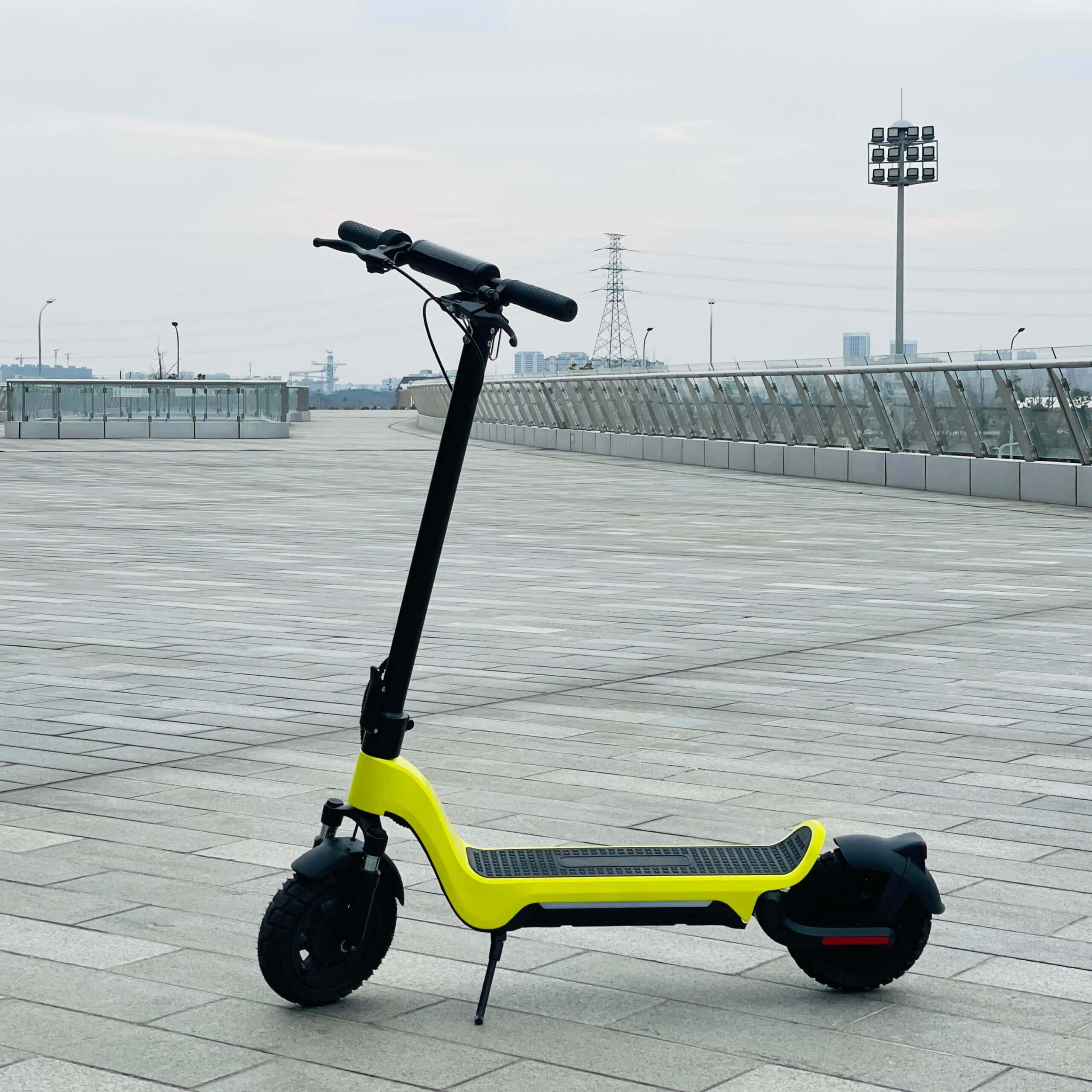
SaaS Platform for Sharing Scooter Fleet Management
Rugged use isn’t only physical. It’s also operational.
Our SaaS post frames EZBKE as a 15Y electric scooter manufacturer plant with ISO-certified production, plus wholesale/OEM/ODM and a complete sharing lineup. That’s the credibility layer fleet buyers want before they even talk specs.
Here’s the page (and it’s worth linking for B2B buyers): SaaS Platform for Sharing Scooter Fleet Management
IoT & GPS telematics for Sharing Scooter (locks, live data, geofence)
This section is basically your “rugged operations” thesis:
- locks/unlocks
- battery %
- map location
- geofences
- stolen unit recovery
- parking enforcement
When you have that pipe, your ops team stops guessing. They start managing.
Geofencing, remote lock, VIN & compliance (non-negotiables)
Your SaaS post also lists compliance items buyers ask about (VIN, battery docs, production quality). It frames them as tender-friendly requirements, not optional nice-to-haves.
The rugged-use proof points (with sources)
Here’s a table you can drop into the blog as “evidence,” without talking about cost math.
| Proof point (rugged + ops) | What it protects you from | Data / claim shown on EZBKE | Source on your site |
|---|---|---|---|
| IP-rated hardware for fleets | Rain weeks killing controllers | Sharing scooter line positioned with IP-rated hardware; blog also mentions IP65–IP67 protection | |
| Long-cycle commercial batteries | Early battery fade, more swaps, more downtime | “1500+ charge cycles” | |
| Built-in GPS/Bluetooth locks | Aftermarket lock hacks + failure points | Built-in GPS/Bluetooth locks positioned on category page | |
| Fleet availability focus | Too many “dead units” on the map | Category page claims downtime can be kept under 5% (positioning) | |
| Airless / non-inflatable tires | Flat tire tickets all day | FS Pro + S1 emphasize airless/non-inflatable tires | |
| Stackable / container efficiency | Slow rebalancing logistics + depot clutter | FS Pro “stackable design saves 30% shipping space”; Super S / S1 list 72 units per 20’GP, 200 per 40’HQ | |
| 4G + multi-constellation GPS | Ghost locations, slow unlock, lost units | 4G focus + multi-constellation GPS argument |
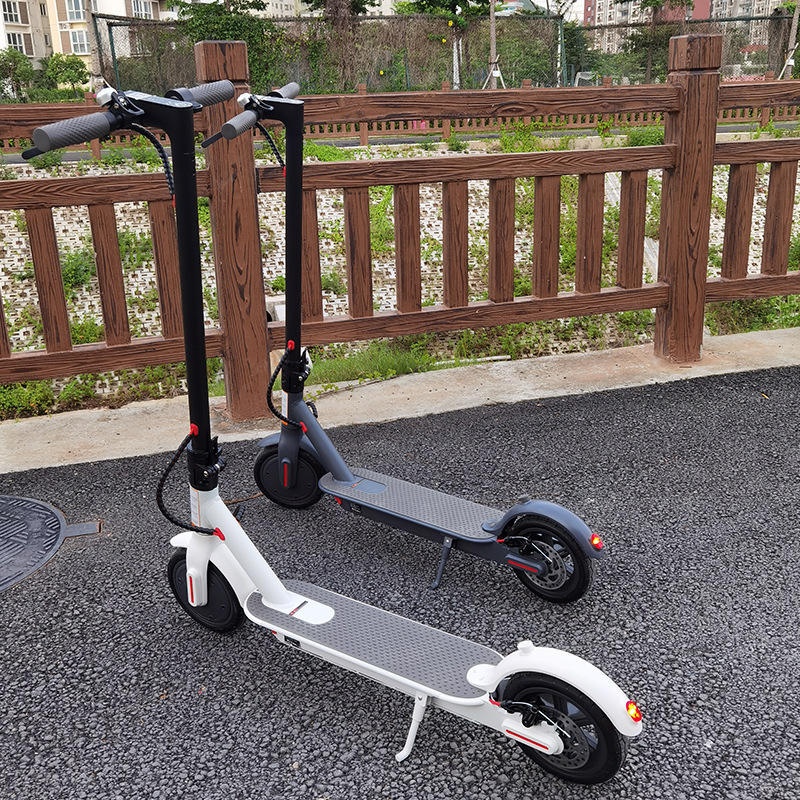
FS Pro mobility electric motor scooter for adults supplier
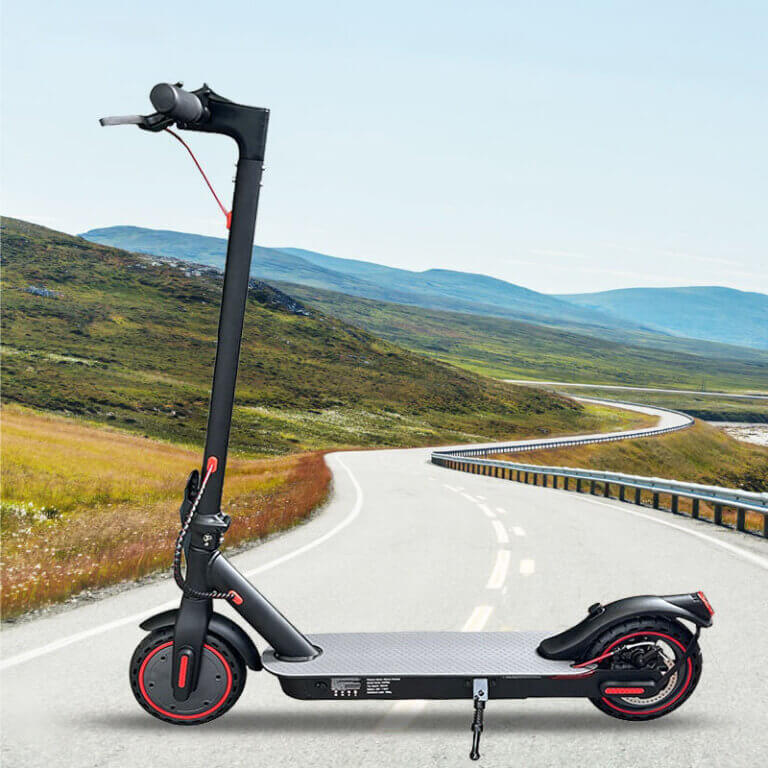
This is the “workhorse” angle. Your own page says it plainly: airless tires + swappable batteries, built for curb jumps and wet roads, and 4G for theft prevention and pricing tools.
If you want one link in the body for buyers to click, use this one: FS Pro
(And yes, I’ll say it: a workhorse scooter ain’t sexy, but it keeps your fleet alive.)
S1 foldable electric scooter for adults 300 lbs factory
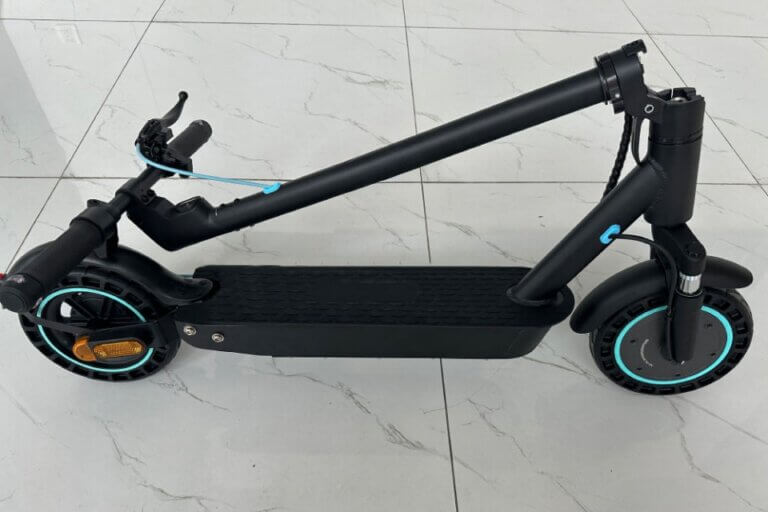
The S1 page gives you solid “rugged” language: aircraft-grade aluminum, IP67-rated controller and battery, non-inflatable tires, and a clear temperature range.
This model also fits bulk + OEM positioning, which matches your buyer base. If you want a direct internal link in the body: S1
Best foldable electric scooter for commute bike wholesaler
Super S is the “compact but still fleet-minded” option. Your page calls out city rentals, campus mobility, last-mile, plus waterproof components and solid tires. It even lists container loading and IPX7 coverage across key parts.
Here’s the internal link for that: Super S
Foldable matters more than people think. It reduces “nuisance maintenance” like bent stems from bad parking and forced storage. Your blog literally says that in plain ops language.
Where Urban M fits (business value, not hype)
Your About page positions Urban M as the brand under Wuhan Jiebu Electronics Co. Ltd, and it highlights scale signals like a rapid production-to-shipment cycle and annual capacity. That’s the kind of supplier story B2B buyers want when they plan bulk orders and OEM/ODM programs.
So when you say “rugged,” you’re not only selling a scooter. You’re selling:
- fewer field failures
- calmer ops workflows
- faster parts/service loops
- a vendor who can actually deliver batches