


-
414 Block B, ZT Times Plaza, Wuhan, Hubei, Chine

Blog
Common Complaints About E-Motorcycles
The pattern is pretty clear: buyers keep coming back to the same few pain points—range, charging time, street-legal compliance, price pressure, and brand trust. Those issues show up in road tests, market reporting, and even Singapore policy coverage.
Sur le Urbain M electric motorcycle category page, EZBKE already positions the range around the right commercial language: OEM/ODM, fleet use, waterproof frames, UL-certified batteries, technical customization, and global logistics. That matters, because B2B buyers don’t just want a cool bike. They want uptime, clean homologation, lower warranty noise, and something they can actually move in bulk.
Common Complaints About E-Motorcycles
| Complaint keyword | Ce que les acheteurs veulent vraiment dire | Why it slows down orders | Source key |
|---|---|---|---|
| Electric motorcycle range | Claimed range and real-world range are often not the same | Buyers worry about range anxiety, route mismatch, and returns | A, B, C |
| Electric motorcycle charging time | Charging still feels slow compared with refueling | Downtime hurts commuters, fleets, and rental turnover | A, B, D |
| Street legal electric motorcycle | People don’t want legal gray areas | Missing compliance kills trust fast | F, G, H |
| Electric motorcycle price | Buyers feel specs don’t always match the premium | They compare freedom, not just features | D, E |
| Electric motorcycle brand reliability | After-sales support and long-term parts supply matter | Dealers hate dead stock and unstable suppliers | E |
| Electric motorcycle for urban mobility | Many e-motorcycles work best in city use, not every use case | Wrong positioning creates the wrong buyer expectation | A, B, C, I |
Source key
A = Car and Driver found that the 2024 LiveWire S2 Del Mar does not accept DC fast charging, and the claimed 20% to 80% Level 2 recharge takes 1.3 hours.
B = Cycle News said the Can-Am Pulse and Origin delivered less range in mixed real riding than the headline figures suggest, with one test seeing 61 miles and 6% battery left; Level 2 charging from 20% to 80% was listed at 50 minutes.
C = Electrek argued that Kawasaki’s electric motorcycles have a battery pack that feels too small for what riders expect from a real motorcycle format.
D = CNA reported that Singapore consumers hesitate because e-motorcycles feel expensive and charging remains inconvenient.
E = The Autopian said electric motorcycle adoption still gets dragged down by range, charging, price, and weak market confidence, while another report noted multiple e-motorcycle brands have already failed or struggled.
F = San Francisco Chronicle reported that high-speed “e-motos” often get confused with legal e-bikes, which has triggered crashes, complaints, seizures, and tighter regulation.
G = PeopleForBikes warned that unsafe riding and category confusion lead to complaints, media backlash, and calls for stricter rules.
H = EZBKE’s X1 listes 168/2013 EEC, L1e-B approval, which is exactly the kind of spec buyers want to see when they ask whether a unit is street legal.
I = Singapore’s Ministry of Transport said that, as of January 2025, there were only 313 electric motorcycles registered in Singapore, or 0.2% of the total motorcycle population. So yes, the category is still early.
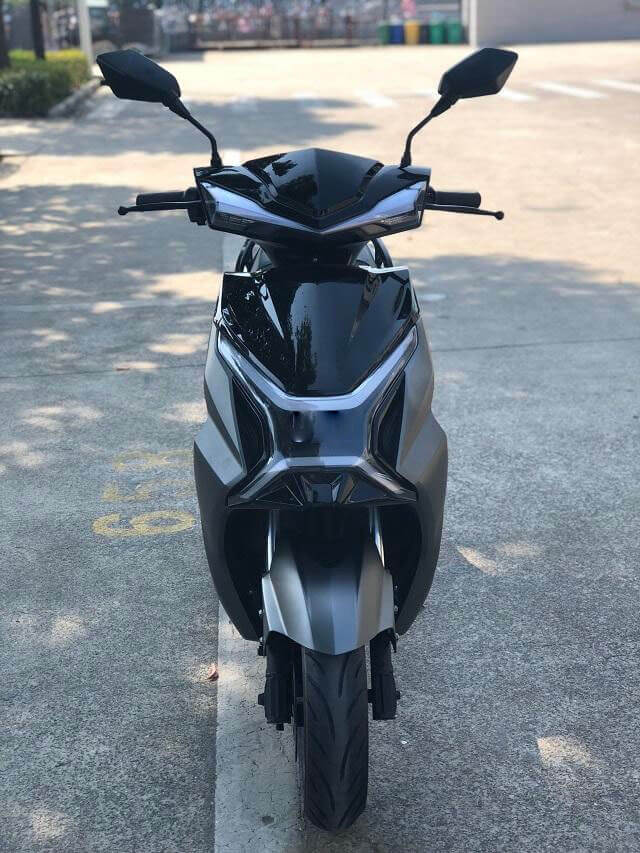
Electric Motorcycle Range
The first complaint is still the loudest one: gamme. Not fake range. Not brochure range. Real-world range. Riders know that city loops, stop-go traffic, hills, rider weight, cargo load, and speed all hit the battery in different ways. That’s why mixed-use tests matter more than polished launch claims. Cycle News openly questioned official range figures after getting 61 miles with 6% battery left in normal mixed riding, and Electrek made the same point from another angle by calling out a battery pack that feels too small for a motorcycle-sized product.
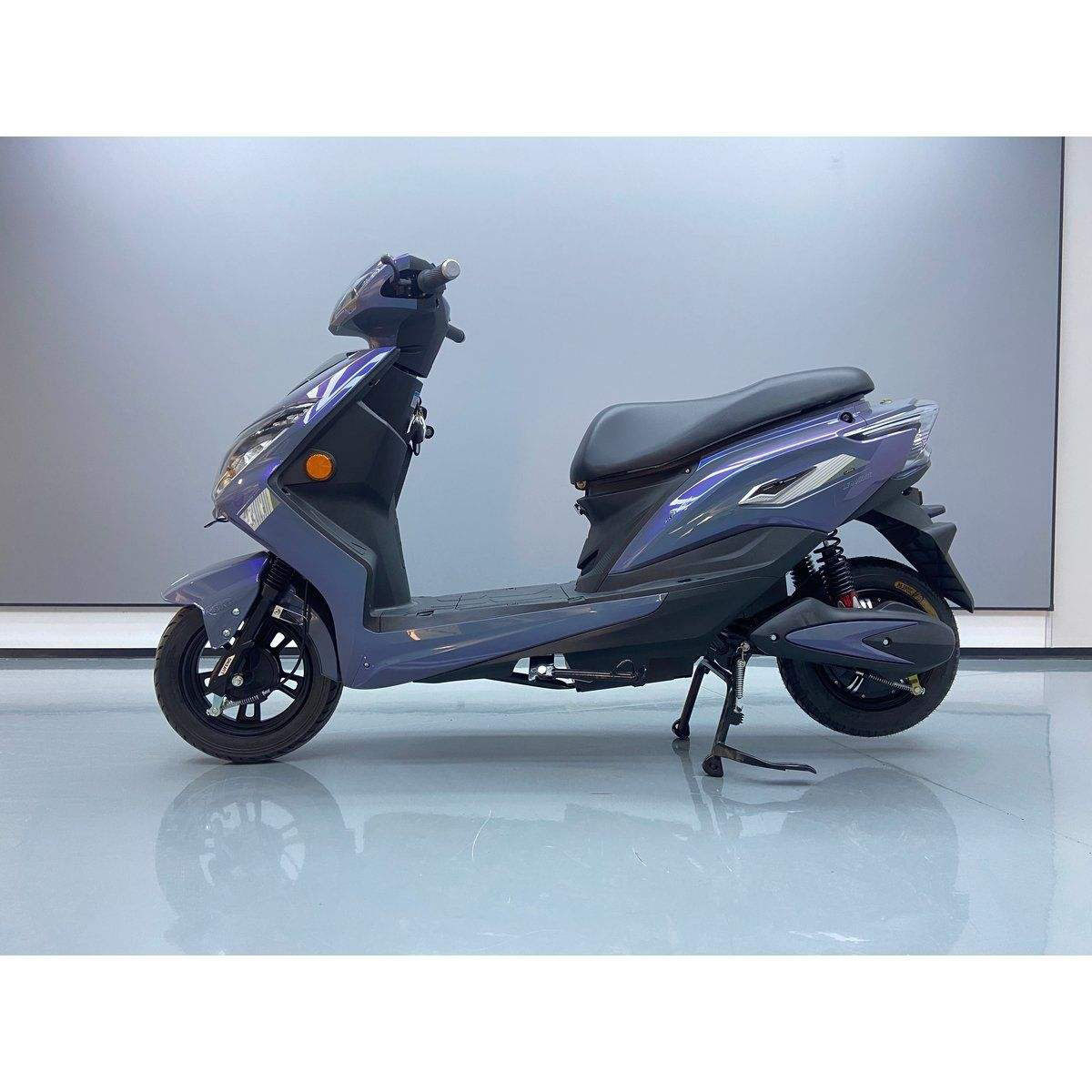
This is where a lot of sellers still get it wrong. They market every unit like it can do everything. It cant. A better move is route-fit selling. On EZBKE, the S4 is framed as a commuter model with a portable battery and a listed range of 75-150 km, while the X1 listes 75-90 km, and even says that range varies with usage. That small phrase matters. It sounds honest, and honesty sells better in this category than hype does.
The same logic works for bigger use cases. The S5 et S5D both list 120-150 km range, dual Samsung battery setups, 3,000W Bosch motors, and 150 kg max load, which makes them more suitable for delivery routes, campus fleets, or repeatable urban loops than for vague “go anywhere” messaging. That kind of positioning cuts down expectation gaps before they turn into complaints.
Electric Motorcycle Charging Time
The second complaint is simple: charging still feels slow. Riders don’t compare it with charging a phone. They compare it with a gas stop. That’s the benchmark, fair or not. Car and Driver pointed out that the LiveWire S2 Del Mar doesn’t take DC fast charging, and Cycle News still needed close to an hour to get 20% to 80% on Level 2 with the Can-Am test bikes. In Singapore, CNA also reported that charging downtime is one of the reasons buyers hold back.
This is exactly why removable or portable battery language matters on a sales page. EZBKE’s X1 uses a removable Samsung-cell battery and lists a 4 heures charge time. The S4 highlights a portable battery and says full charging takes 6 to 8 hours, while the S5 et S5D also list 4 heures charging. For delivery riders, rental operators, or bulk buyers building an urban fleet, that opens up a better sales story: not “fastest in the world,” but “easy depot charging, backup pack planning, and less route disruption.” That’s much more believable.
Motocyclette électrique légale
Another huge friction point is street-legal compliance. Buyers have seen too many products marketed like e-bikes, then used like mini motorcycles, then hit with enforcement. That mess damages the whole category. The San Francisco Chronicle described how faster “e-motos” are often confused with legal e-bikes and ended up at the center of complaints, injuries, and tighter rules. PeopleForBikes made the same broader point: when category lines get blurry, backlash gets louder.
That’s why compliance language can’t be an afterthought. It should sit near the top of the page, not buried in spec soup. On EZBKE, the S5 is explicitly presented as a Motocyclette électrique légaleet le X1 listes 168/2013 CEE, L1e-B Approuvé. That gives buyers, distributors, and import partners a cleaner starting point when they ask for homologation docs, registration fit, or market-entry paperwork. In this segment, legal clarity closes deals faster than glossy photos do.
Electric Motorcycle Price and Buyer Confidence
Price is never just about the sticker. It’s about what the buyer gets back in freedom, uptime, and resale confidence. That’s why e-motorcycles get judged hard. CNA found that buyers in Singapore already see them as expensive. The Autopian went further and argued that range, charging, and price still stack up into one big adoption problem, while its separate market report described a category where several brands have already died or are struggling. That kind of news makes buyers nervous, and honestly, you can’t blame them.
So what should a manufacturer say instead of pushing louder sales copy? Talk like an operator. Urban M already does some of this well. The category page talks about OEM/ODM, fleet and brand customization, waterproof frames, UL-certified batteries, bulk pricing, and worldwide logistics. On individual product pages, EZBKE also leans into Bosch motors, Samsung cells, tubeless tires, disc brakes, and features positioned around fewer warranty claims or easier maintenance. That’s smart, because for wholesalers and distributors, the real pitch is not “look how futuristic this is.” The real pitch is “this unit is easier to sell, easier to service, and less likely to become dead inventory.”
Electric Motorcycle for Urban Mobility
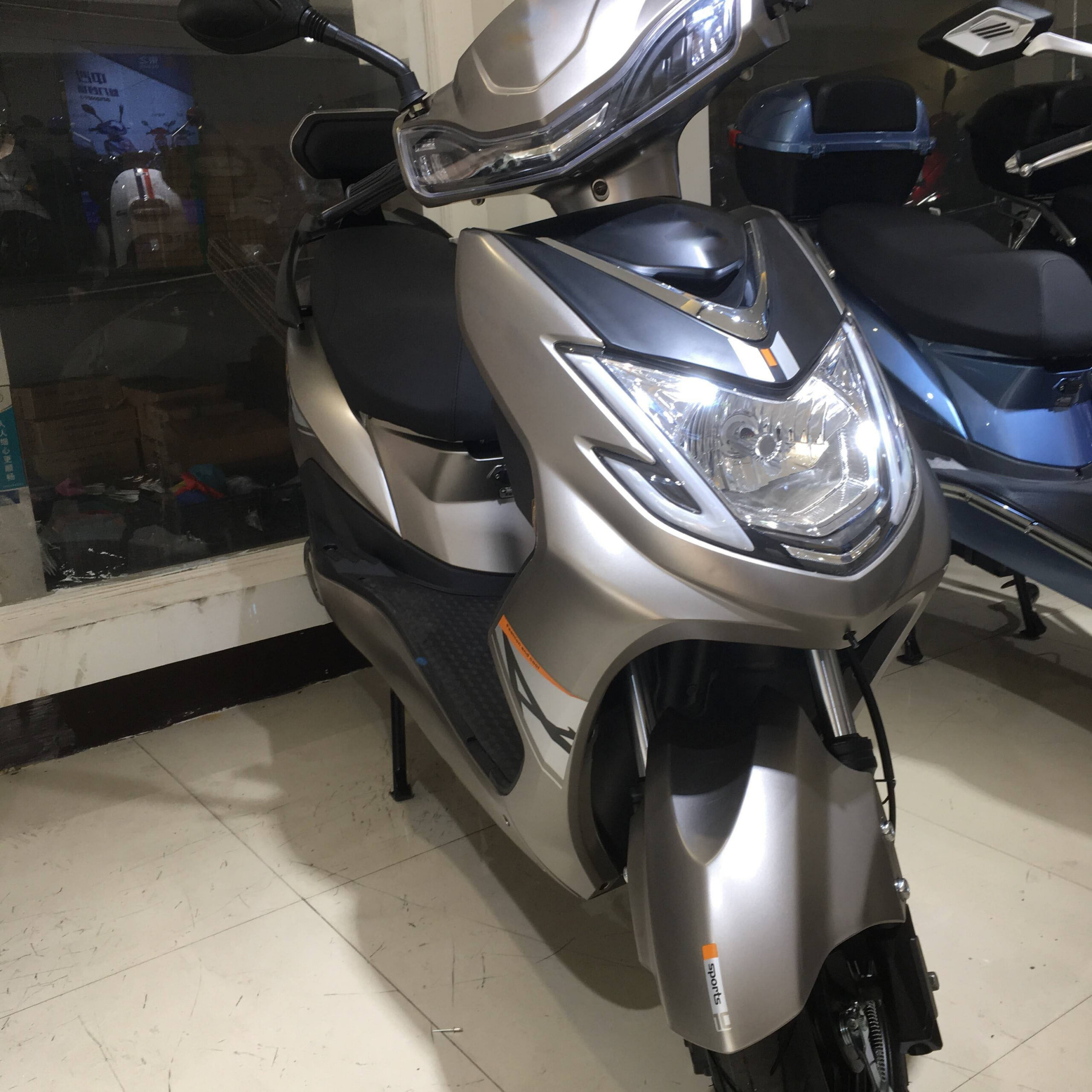
This is the part many brands should say more clearly: an electric motorcycle is usually strongest in urban mobility first. Not every route. Not every rider. Not every terrain. Singapore’s own numbers show the category is still small, and that tells you the market is still sorting out where the best use cases really are.
Electric Motorcycle for Delivery Fleets
For last-mile and repeat-loop work, the S5 et S5D make the most sense in the current EZBKE lineup. Both list 120-150 km range, a 3,000W Bosch motor, 4 heures charging, and 150 kg max load. The S5D also mentions a storage box and explicitly calls out delivery startups, campus security fleets, rental services, and last-mile logistics companies. That is the kind of use-case language fleet buyers actually search for.
Electric Motorcycle for Daily Commuters
For daily city riding, the S4 et X1 feel more dialed in. The S4 pairs a portable battery with 75-150 km listed range and commuter-focused geometry. The X1 leans into a compact urban format, 75-90 km range, removable battery design, 45 km/h top speed, and EEC approval. That mix works for urban distributors because it answers the usual commuter questions before they get asked. Can I charge it easily? Can I park it easily? Is it legal? Will it survive daily use?
Electric Motorcycle for Heavy Adults
Le S6 helps with another common buyer concern: rider size, load, and road confidence. EZBKE positions it for heavier adults and urban mobility, with a 4.0kW Bosch motor, 75 km/h vitesse maximale, 60-120 km gamme, 15° hill climb, tubeless tires, and CBS disc brakes. That makes it a better fit for buyers who need more punch than a basic city moped but still want a practical commuter platform.
Electric Motorcycle OEM/ODM
For B2B buyers, this whole conversation leads to one simple truth: complaints don’t kill deals by themselves. Unanswered complaints do. If a product page explains the real range band, the charge routine, the compliance status, the battery format, and the best use scene, the buyer relaxes a bit. If the page stays vague, the buyer assumes the worst.
That’s where EZBKE has room to win. Urbain M already has the bones for it: an electric motorcycle category built around OEM/ODM, a street-legal model, commuter models, a heavier-duty urban option, and fleet-ready language across multiple pages. The next step is to keep the message brutally practical. Talk less about fantasy freedom. Talk more about route fit, charge workflow, homologation, load-out, and uptime. That’s the language serious buyers already use.