


-
414 Block B, ZT Times Plaza, Wuhan, Hubei, China

Blog
Folding Scooter Ergonomics And Comfort Features
As a 15Y electric scooter manufacturer plant with ISO-certified production and a wholesale-first mindset, Urban M already positions itself as a serious partner, not a toy shop. So let’s treat “Folding Scooter Ergonomics And Comfort Features” like what it really is: a business lever.
Below I’ll walk through key ergonomic topics, show how they land in Foldable Electric Scooter, K1, and K2, and tie it back to real-world scenarios like last-mile commuters, couriers, and micro-fleets.
Feature Table: Foldable Electric Scooter Ergonomics in Practice
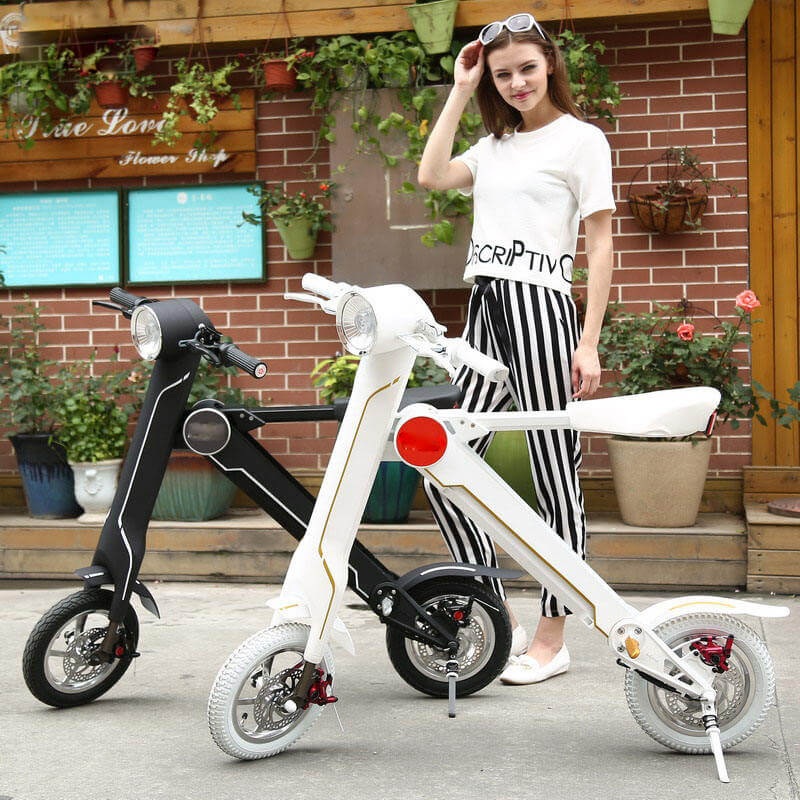
You don’t want fluffy theory. So here’s a simple table that connects features → rider comfort → business value, using your Foldable Electric Scooter, K1 electric motor foldable scooter adult manufacturer, and K2 folding adult electric bicycle scooter manufacturer as concrete anchors.
| Feature (keyword) | Rider comfort effect | Business value (pain solved) | K1 implementation | K2 implementation |
|---|---|---|---|---|
| One-step folding mechanism | Less fiddling, no awkward folding dance in front of the elevator | Higher daily use, fewer “too annoying to carry” complaints | Instant latch fold, tuned for city riders who hop on/off transit often | Compact frame with quick fold for apartments, offices, and last-mile stops |
| Lightweight foldable electric scooter | Easier to carry upstairs, into trains, into small car trunks | More trips per week, less “range anxiety + carry anxiety” mix | Aluminum alloy frame, city-ready weight for adults | ~18 kg net, balanced for everyday lifting and car-trunk duty |
| Deck space and stance | Natural stance, less ankle and knee stress over time | Better reviews, fewer “tired legs” tickets | Wide deck footprint matched with 12.5″ tires for stable posture | Commuter-oriented deck size and height, designed for daily rides |
| Suspension & tire setup | Fewer vibrations, less hand numbness on bad roads | Happier commuters, longer ride sessions | 12.5″ air tires soften potholes and curb hits | Comfort-tuned tires, 18° climb ability for hilly neighborhoods |
| IP54 waterproof and UL-ready battery | Riders don’t panic over drizzle or lobby rules | Lower return rate, easier property access and insurance | Part of your heavy-duty foldable line spec (IP54, UL2272 focus) | Same category baseline; OEM/ODM-ready for compliance markets |
| Smart cockpit (LCD, remote, USB) | Easier readout, less fiddling with phones, more “just ride” | Extra perceived value with tiny BOM impact | LCD, Bluetooth speaker, USB, remote keyless ignition | LCD dashboard, spec-driven options by market |
| Container and fleet logic | Not comfort in the body, but comfort for your ops team | Better container density, smoother SKU planning | Great match for smaller fleets and campus deployments | 240 units / 20GP, 480 / 40HQ, very friendly for procurement teams |
Now let’s zoom in on the ergonomics behind all this.

Proper Handlebar Height Keeps the Rider’s Spine Neutral
Most riders don’t measure bar height in centimeters. They just feel: “Do I need to hunch?”
Ergonomics basics say the sweet spot is roughly hip to belly-button level from the deck. At that height, the rider keeps a neutral spine, shoulders relaxed, and doesn’t lean all their weight into the stem. Over a 10–12 km commute, this is the difference between “nice ride” and “my back feels weird now”.
On your side, adjustable stem height is low-hanging fruit for OEM projects. Small tweak in tooling, big impact in comfort:
- Shorter riders don’t over-reach.
- Taller riders don’t bend down like they are pushing a kids’ scooter.
When you position Foldable Electric Scooter or Urban M units for wholesale specs, calling out handlebar adjustability is an easy win on the PDP. It reads ergonomic, and honestly it sells.
Wide and Adjustable Handlebars Improve Stability and Control
Bar width is another quiet comfort lever. Too narrow, and the scooter feels twitchy. A bit wider than shoulder width, and you get stable steering and calmer wrists.
For city riders weaving between cars or rolling over tram tracks, that stability is what keeps micro-corrections low. Less micro-correction = less arm fatigue.
On K1 and K2, you already run adult-proportioned bars with adjustability baked in for different markets. When you pitch to a buyer, you can frame it like this in plain language:
“Bars are tuned for adults, not for kids. Less wobble, more control in dense traffic.”
Sounds simple, but this is exactly the kind of line that eases a fleet operator’s safety concerns.
Deck Width, Length, and Height Shape Lower-Body Comfort
You probably felt this yourself: narrow deck, feet squeezed sideways, knees start to complain fast.
A wide and long enough deck lets adults stand:
- one foot behind the other, or
- almost side-by-side when cruising slowly.
Our Foldable Electric Scooter line is positioned as heavy-duty with a proper standing area, not a toy board. K1 layers that with 12.5″ air tires and a low deck vibe, so riders don’t bend knees too hard every time they kick off or hit a bump.
For scenario: think of a food-delivery rider. They’re up and down curbs, stopping and starting all day. A deck that sits a bit lower to the ground with good grip tape or textured surface means:
- easier push-offs,
- less ankle strain,
- more confidence when the deck is wet.
From a sales angle, you can literally write: “Deck designed for all-day use, not just weekend fun.” It speaks to comfort without sounding too technical.
Suspension and Tire Setup Are the Core of Vibration Comfort
Commuters will forgive a slightly plain frame. They will not forgive constant hand buzz.
Comfort on rough city asphalt is mostly about:
- Tire type and size – air-filled or comfort-tuned tires soak up micro-bumps.
- Suspension, if specced – especially on heavier models and longer routes.
K1 leans on 12.5″ air tires to do a lot of that damping. K2, with its 450W motor and 18° climbing angle, is clearly targeted at more demanding urban terrain where you can’t avoid broken tarmac and slopes.
Real-world scene:
- Suburban commuter riding 7–8 km each way, mix of bike lanes and rough sidewalks.
- On a small hard-wheel scooter, their hands go numb by mid-week.
- On a platform like K1/K2 with comfort-oriented tires, the ride simply feels calmer, so they use it every day, not just “when the road is nice”.
That “rides daily” behavior is exactly what your B2B customers want. More usage, more visibility, more word-of-mouth.
Weight Capacity and Frame Geometry Must Match Rider Body Type
This sounds like engineering talk, but it’s pure comfort: if a rider is near the max load, every bump feels harsher and the frame flex can feel scary.
Urban M’s foldable line is pitched as heavy-duty, UL-attentive hardware, not fragile weekend toys. On the K2 page you also highlight container loading numbers and climbing ability, which quietly tells a buyer:
- frame is strong enough for repeated fleet use,
- geometry is tuned for adults doing real commuting, not just kids play.
For campus fleets or sharing operators, this means fewer broken units and less “it feels sketchy when I ride” feedback. Ops teams care a lot about that, even if they don’t always say “geometry” out loud.
Ergonomic Grips, Brakes, and Controls Reduce Local Fatigue
Hands, wrists, and thumbs are where small ergonomic mistakes show up first.
K1 already pushes LCD display, Bluetooth, USB charging, remote keyless start into a compact cockpit. That’s comfort in another sense:
- rider checks speed and battery in one glance,
- no need to juggle a phone for navigation,
- they start the scooter without bending down to find a hidden switch.
Pair that with grippy handles and intuitive brake levers, and you reduce the “learning curve pain” for first-time users. If you sell to rental startups, this matters: less training time, fewer support calls.
When you write copy for these, keep it human:
“Clear LCD, easy brakes, and controls where your hands already are.”
Not fancy, but very believable.
Folding Mechanism, Weight, and Folded Size Affect Daily Comfort Off the Scooter
Ergonomics is not just what happens while riding. It’s also how the scooter behaves when you’re carrying it.
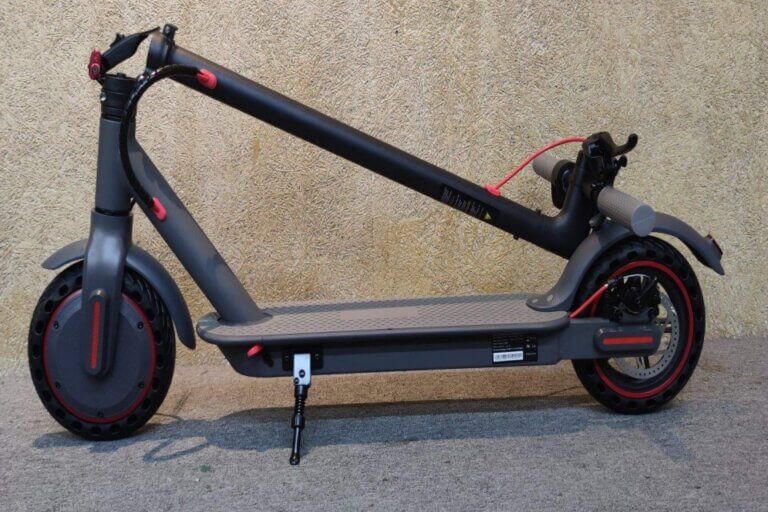
Our Foldable Electric Scooter category description already hits this: heavy-duty foldable e-scooter, UL2272-certified packs, IP54, aircraft-grade hinges tested for 20k+ cycles, and bulk OEM customization. That “20k+ cycles” detail screams “we thought about your daily fold-unfold routine”.
K1 focuses on quick latch folding and compact footprint for city riders. K2 adds another angle: it folds and also packs efficiently in containers (240 pcs in 20GP, 480 in 40HQ), which is comfort for logistics teams and warehouse folks.
Typical scenario:
- Office worker rides 2 km from metro to office.
- They fold the scooter at the station, again at the lobby, again at their desk.
- If each fold feels smooth and safe, they keep using it. If it fights them, the unit ends up in the garage.
That’s why, in sales calls, it’s fair to talk about “folding UX” the same way you talk about motor power. Both affect daily use.
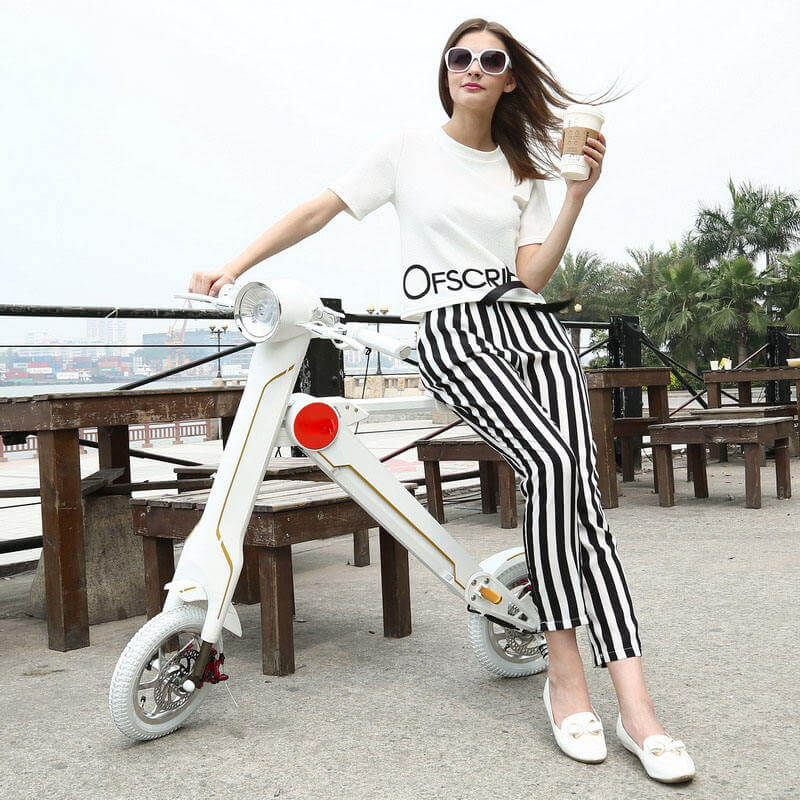
Folding Scooter Ergonomics And Comfort Features in K1, K2 and Urban M Fleets
Put it all together and you get a simple argument:
- Handlebar height and width keep posture natural.
- Deck size and height protect knees and ankles.
- Tires and suspension blunt the city’s worst roads.
- Controls, grips, and cockpit cut rider friction.
- Folding system, weight, and hinge quality reduce “off-scooter” pain.
Urban M’s foldable line, K1, and K2 already line up with this story: heavy-duty folding hardware, IP54, UL-focused batteries, comfort-oriented tires, and cockpit extras tuned for commuters and fleets.
From a B2B angle, ergonomics is not just a nice feature. It’s how you:
- lift conversion on our Foldable Electric Scooter category page,
- reduce returns and support tickets,
- make fleet uptime and rider satisfaction numbers look better,
- and give OEM/ODM clients something concrete to spec: deck length, stem height, tire type, hinge cycle life, IP rating.