


-
414 Block B, ZT Times Plaza, Wuhan, Hubei, China

Blog
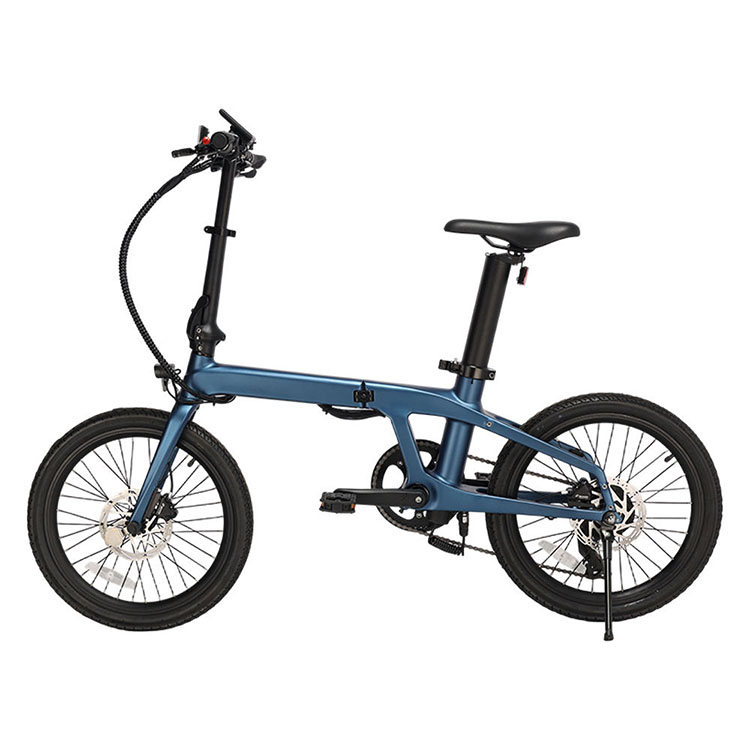
Folding Mechanisms: Play, Noise, Loosening, Repair Rate
Bolts back out.
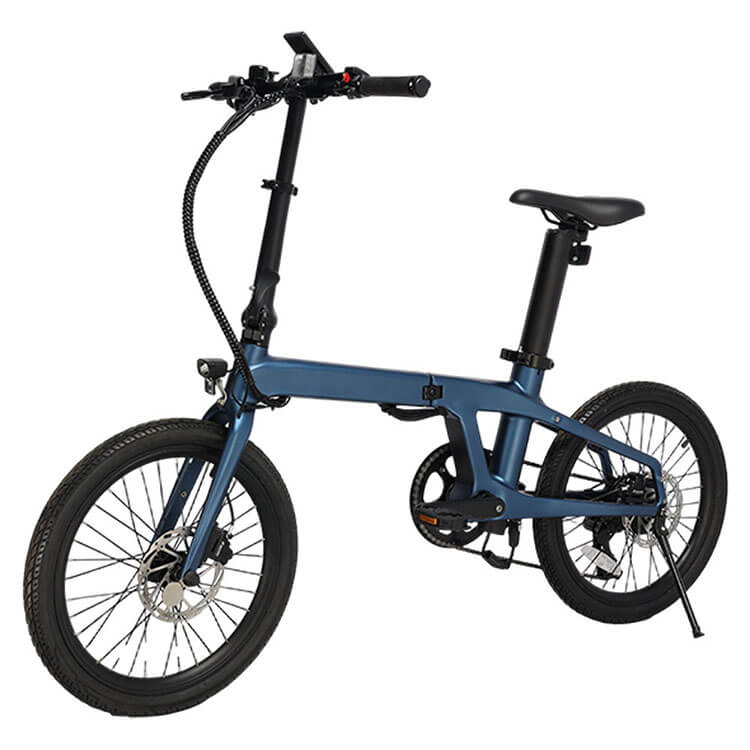
I’ve watched the same failure pattern repeat across scooters, folding bikes, and “one-step fold” commuter toys: vibration plus tolerance stack-up plus lazy fastener strategy, and suddenly the latch that felt bank-vault tight at unboxing turns into a clicky, creaky hinge that’s quietly eating itself every ride.
Sound familiar?
Here’s the hard truth I don’t hear said out loud enough: a folding mechanism is not a “feature,” it’s a wear system. And wear systems demand either (a) replaceable interfaces, or (b) overbuilt geometry that stays tight as materials settle. Most consumer designs try to fake (b) with marketing and hope.
Table of Contents
What “play” really means (and why it shows up first)
“Play” is not a vibe. It’s clearance.
If your bars rock forward/back 1–3 mm when the scooter is locked, that motion is energy. Energy becomes fretting. Fretting becomes ovalized holes, polished flats, and that gritty black paste you wipe off and pretend is “dirt” (it’s oxidized metal + abrasive debris, congrats).
The most common sources I see:
- Pivot bolt relaxation: clamp load drops, joint slips microscopically, repeat until it’s obvious.
- Bushing creep: polymer bushings cold-flow under load; your “tight” fit loosens without a single fastener turning.
- Latch face wear: aluminum-on-steel is a classic mismatch; the softer side loses shape first.
- Pin wear: cheap pins are soft, uncoated, and get scored; hardened pins behave differently.
If you want the “insider” tell: manufacturers brag about cycle counts, but they don’t always tell you what is cycling—pin, bushing, cam, pawl, latch face—and whether any of it is meant to be replaced. EZBKE’s foldable category copy, for example, calls out “aircraft-grade hinges (20k+ cycles)” along with IP54 and UL2272 positioning. That’s the right language for procurement, but it also sets a bar: 20k cycles only matters if the mechanism stays tight, not merely “still folds.”
Noise is data: squeak, creak, click
Three kinds of sound, three different problems:
- Squeak = dry sliding contact. Often latch hook/cam interface. Fixable with the right lube strategy.
- Creak = loaded micro-slip. Usually clamp load is low or surfaces are deforming. Tightening helps until it doesn’t.
- Click = impact between parts. Often a latch pawl snapping between positions because clearances have opened.
And yes, the industry does this annoying thing where it tells users “periodic checks are normal.” That’s not always wrong. But it’s also convenient.
Even EZBKE’s own content leans into “check bolts and fasteners” and “lubrication” as routine maintenance—sensible advice, but it also implies the mechanism will drift unless you babysit it.
Loosening over time: why threadlocker is not optional
Vibration loosens fasteners when joint slip occurs. That’s the part people miss.
If the hinge joint is designed so the clamp faces can move under riding loads, your bolt is going to “walk,” and no amount of wishful thinking changes that. This is why medium-strength threadlocker (think Loctite 243) is the default for folding hardware that sees vibration but still needs serviceability.
My rule-of-thumb torque ranges (because most owners don’t have OEM torque sheets):
- M6 hinge/clamp hardware: ~8–10 N·m
- M8 hinge/clamp hardware: ~18–24 N·m
If you’re guessing and you don’t own a torque wrench, you’re playing roulette with stripped threads and false “tightness.”
And one more unpopular opinion: a secondary latch isn’t “nice to have.” It’s how you keep a slightly-loose primary cam from becoming a faceplant. EZBKE explicitly markets “single action fold + secondary latch, no wobble” as a selling feature—good, because that’s the design direction that reduces catastrophic outcomes.
Repair rate: what fails most often (and when)
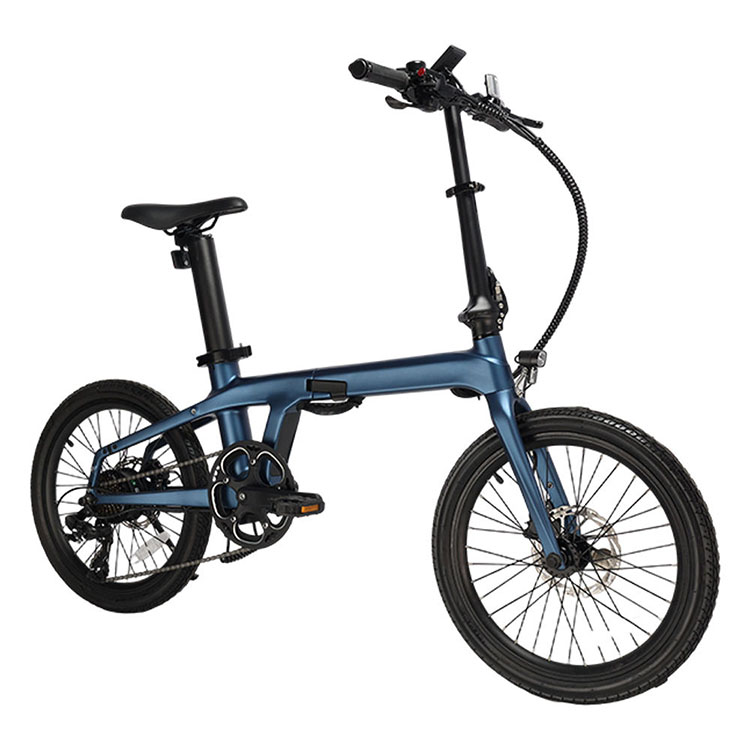
I’ll define “repair rate” the way fleet operators do: what percentage of units need folding-system intervention per time or distance.
In the real world, folding-mechanism “repairs” cluster into four buckets:
- Re-torque + threadlocker (fastest, cheapest)
- Replace fasteners (rounded heads, stretched bolts, damaged threads)
- Replace wear parts (bushings, pins, latch pawls/springs)
- Replace assemblies (cracked tubes, ovalized bores, deformed latch faces)
What drives the rate up:
- heavier riders (90–120 kg is a hinge stress test),
- curb drops,
- wet grit (sand + water = grinding paste),
- frequent folding (multi-modal commuters).
If you’re sourcing, the question you should be asking suppliers is not “what’s the cycle test,” but “which components are sacrificial and how fast can they be swapped?” EZBKE’s “one-second” folding pitch is all about experience—fast latch, no fumbling—but the deeper engineering note is in their component callouts: hardened steel hinge pin + anti-wear bushing, over-center cam + safety pawl. That combo is how you keep play from exploding early.
The injury/recall context brands hate talking about
This is where I get blunt: folding and structural joints are safety-critical, and the broader micromobility injury trend is going the wrong direction.
- The U.S. CPSC’s October 17, 2023 release on micromobility reports injuries across devices increased nearly 21% in 2022 vs 2021, and it flags continued injury increases with e-scooters, plus hundreds of deaths tracked (with incomplete reporting). That’s macro-level pressure on every “just tighten it” attitude.
- A 2024 cross-sectional study in JAMA Network Open (NEISS data, 2017–2022) found electric scooter injuries increased more than 45% annually over the period it examined. If your folding joint can collapse or wobble unpredictably, you’re adding instability into a category already trending toward more ER visits.
- And when design or manufacturing goes truly sideways, you see recalls like Razor’s July 25, 2024 CPSC recall where a structural member can separate during use—different joint, same theme: one failed connection can mean a fall.
So yeah: play and noise are not “minor annoyances.” They’re early warnings.
Practical fixes that actually work (and what to avoid)
If you’re here for folding mechanism repair, here’s the sequence I’d run in a shop when a scooter shows up with wobble and creaking.
- Stop chasing noise first
Find play. If play exists, fix clamp load / wear before you lubricate anything. - Mark-and-test
Use a paint pen on bolt heads and hinge hardware. Ride 5–10 km. If marks move, you’ve confirmed loosening, not “mystery flex.” - Clean properly
Degrease latch faces and bolt threads with isopropyl alcohol (70%+). Remove grit. Dry fully. - Re-torque with medium threadlocker
Use Loctite 243 (or equivalent). Avoid high-strength unless you’re prepared for heat and pain later. - Lubricate the right surfaces
- Exposed latch/cam: PTFE dry film (less dirt magnet)
- Sealed pivot/bushing area: tiny amount of lithium grease or moly grease (MoS₂), if the design can keep dirt out
If you grease everything, you’re just making abrasive paste.
- Decide if it’s a “tighten” problem or a “replace” problem
Elongated holes, mushroomed pins, cracked welds? Don’t ride. Replace parts or assemblies.
And yes, maintenance matters. Even generic guidance like “lubrication” and “check bolts and fasteners” exists for a reason—ignore it and your hinge becomes your failure point.
Cost reality: what repairs typically run
Below is a straight, buyer-friendly breakdown. No drama.
| Symptom | Likely cause | Quick check | Repair action | Typical parts cost (USD) | Typical labor time |
|---|---|---|---|---|---|
| Handlebar wobble / hinge play | Pivot bolt backed out, bushing wear | Rock bars locked; watch hinge gap | Re-torque + threadlocker; replace bushing if needed | $0–$25 | 20–60 min |
| Creaking under load | Micro-slip at clamp faces | Creak appears when pushing/pulling | Clean faces; re-torque; inspect latch face wear | $0–$20 | 30–75 min |
| Clicking when accelerating/braking | Latch pawl not seating, clearance opened | Listen near latch; inspect pawl spring | Adjust latch; replace pawl/spring if worn | $5–$40 | 30–90 min |
| “Keeps loosening” after tightening | Joint design slipping, damaged threads | Paint-mark test shows movement | Replace fasteners; add washers; inspect mating surfaces | $5–$30 | 45–90 min |
| Can’t lock securely | Deformed latch face, ovalized holes, cracks | Visual cracks / oval holes | Replace hinge/stem assembly | $50–$250+ | 1–2.5 hrs |
If you’re running fleet math, the real killer isn’t a one-off $80 repair. It’s downtime and repeat tickets. That’s why procurement pages pitch “reduce returns and support tickets,” “fewer complaints,” and latch designs meant to avoid wobble in the first place.
FAQs
Why is there hinge play in a folding mechanism?
Folding mechanism play is the measurable free movement between the stem and deck latch parts—pins, bushings, clamp faces—when the scooter is locked, usually felt as a wobble at the handlebars, and it indicates clearance growth from wear, loose fasteners, or deformed mating surfaces.
If it’s new, suspect under-torqued hardware; if it’s older, suspect bushings/pins. If you can see the hinge “shift” during braking, treat it as urgent.
What causes folding mechanism creaking/squeaking noise?
Folding mechanism noise is the audible squeak, creak, or click produced when microscopic sliding or impact occurs at the hinge and latch under load, often caused by dry contact, contaminated grit, fretting corrosion, or a latch that’s slightly loose and snapping between positions.
Squeak usually responds to PTFE dry lube; creak usually demands re-torque and cleaning first.
How to tighten a folding mechanism safely?
Tightening a folding mechanism means restoring the designed clamp force on the hinge pin and latch faces—typically by torquing pivot bolts and clamp hardware to spec, applying the right medium-strength threadlocker, and confirming the secondary safety latch fully seats—so the lock resists vibration without binding or damaging threads.
Do it clean (degrease), do it measured (torque wrench), and re-check after a short ride.
What’s the best folding mechanism maintenance & lubrication approach?
Folding mechanism lubrication is the targeted use of a lubricant on moving and sliding interfaces—hinge pins, cam ramps, latch hooks—chosen to reduce friction and fretting while not attracting abrasive dust, which usually means a PTFE dry film for exposed latches and a small amount of grease only where sealed or shielded.
And yes: periodic bolt checks are part of reality for many scooters.
When should I replace the folding hinge instead of repairing it?
Replacing a folding hinge instead of repairing it is the decision to swap the entire hinge or stem assembly because structural integrity is compromised—cracks at welds, elongated holes, mushroomed pins, or a latch that won’t hold torque—meaning no amount of tightening or lubricant can restore safe load paths at speed.
If you see cracks, stop riding. No “one more trip.”
What’s a realistic folding hinge repair cost?
Folding hinge repair cost is the combined price of parts and labor to eliminate play or restore locking reliability, ranging from a cheap re-torque with threadlocker and new fasteners to a full hinge-kit replacement, and it’s driven by part availability, shop rates, and whether damage is cosmetic or structural.
If you’re paying shop rates ($80–$150/hr in many U.S. cities), “simple” jobs stop being cheap fast.
Conclusion
If you’re tired of selling (or riding) foldables that slowly turn into rattly return-generators, start from the mechanism, not the motor spec. Look at hinge architecture, sacrificial wear parts, and whether there’s a real secondary latch strategy.
If you’re sourcing and want fewer folding-related tickets, I’d start with EZBKE’s own references: their Foldable Electric Scooter category positioning (cycle-life + IP rating), the feature stack that calls out secondary latch + no wobble, and the one-second folding mechanism component breakdown—then sanity-check it against your service data and parts availability.