


-
414 Block B, ZT Times Plaza, Wuhan, Hubei, China

Blog
Foldable Scooter Subscription Business
Below is a clean, practical synthesis you can use for a real business—plus how you can map it to EZBKE (Urban M) and your Foldable Electric Scooter lineup.
Foldable scooter subscription business model
A foldable scooter subscription is basically Hardware-as-a-Service: you keep ownership, customers pay monthly, and you win if you control churn, maintenance load, and asset lifetime (not just “sell more units”). Subscription brands keep pointing back to the same truth: repeat riders (commuters, neighborhood trips) are the best fit, because they want low-friction transport without buying upfront.
Now here’s the kicker: if you don’t design the hardware + ops loop for serviceability, subscriptions get messy fast. One operator in TechCrunch said they reduced component count and made wearable parts easy to access specifically to keep service efficient.
So the “subscription business” is not just marketing. It’s a maintenance-and-logistics machine that happens to charge monthly.
Reverse logistics and refurbishment loop
Subscriptions are a reverse-logistics business in disguise. Vehicles come back. You inspect, refurb, redeploy, and keep the fleet earning.
TechCrunch described a subscription approach where returned scooters get repurposed back into the subscription fleet.
And Unagi’s subscription workflow includes reclaiming scooters after cancellation and putting them through an inspection process.
Practical takeaway: build a standard “RMA → refurb → redeploy” workflow from day one:
- intake checklist (cosmetics, brakes, tires, battery health)
- quick-swap parts bin (tires, brake pads, throttles, lights)
- test ride + sign-off
- redeploy rules (A-grade vs B-grade routes / customer tiers)
If you skip this, you’ll drown in random one-off repairs. It’s annoying, and your ops team will hate you (for real).
Building a stable revenue stream
Subscription operators don’t pick subscriptions because it’s trendy. They pick it because it creates predictable revenue (and makes planning fleet size way easier).
A TIER-related subscription write-up spells it out: they launched a monthly subscription model because they wanted a stable and predictable revenue stream, while noting churn as a reality you manage.
Translation into operator slang:
You’re trying to keep utilization steady, cut downtime, and avoid a warehouse full of idle assets.
Fleet security: GPS lock and insurance
If your scooters walk away, nothing else matters.
A scooter-sharing operator guide highlights the need for proper documentation/insurance to satisfy city requirements, plus fleet security via locking devices and GPS tracking.
Even if you’re not doing public “street sharing,” the same logic applies to subscriptions:
- GPS + geofencing = fewer “lost” assets
- clear user agreement + deposit logic = fewer disputes
- theft/accident coverage options = fewer customer freak-outs
This is the boring part that saves your margins later.
IoT device integration and backend software
If your subscription includes an app, smart lock, QR unlock, or fleet dashboard, you are now in the hardware + software integration business.
Joyride’s operator ebook says the important part is integrating the IoT device into backend software, and it straight-up calls software “perhaps the most important part” of the business (rider app, backend fleet system, operator tools, vehicle integration).
So don’t treat software like a side quest. The stack is the product experience:
- onboarding
- unlock/start
- payment
- issue reporting
- service scheduling
- asset tracking
If the app is flaky, customers churn even if the scooter is great.
Argument map (with sources)
| Argument (specific) | Why it matters in subscriptions | What you do in real ops | Source |
|---|---|---|---|
| Subscription works best with repeat commuters + local trips | Repeat usage reduces churn risk and supports steady fleet planning | Target commuter corridors, campuses, employer benefits | TechCrunch on repeat customers/commuters |
| Design hardware for fast maintenance + fewer components | Service speed drives uptime; uptime drives revenue | Standardize wearable parts, reduce SKUs, quick-access design | TechCrunch quote on easy maintenance + fewer components |
| Build a refurb loop for returned scooters | Returned units are not “dead”; they’re future revenue | Intake → inspection → refurb → redeploy playbook | TechCrunch on repurposing returned scooters |
| Use inspection workflow when subscriptions cancel | Controls quality drift, reduces customer complaints | Set inspection checklist + grading policy | TechCrunch on inspection after cancellation |
| Lock + GPS + insurance expectations are not optional | Theft and city rules can kill your program | Choose lock strategy + GPS tracking + proper insurance/docs | Wunder Mobility on insurance, locks, GPS |
| IoT + backend integration is a major complexity | Bad integration = downtime and angry users | Use proven IoT stack, prioritize backend integration | Joyride ebook on IoT integration + software importance |
| Subscription model aims for stable predictable revenue | Helps scaling decisions and inventory strategy | Build retention programs, service SLAs, replacement policy | TIER/circuly on stable predictable revenue stream |
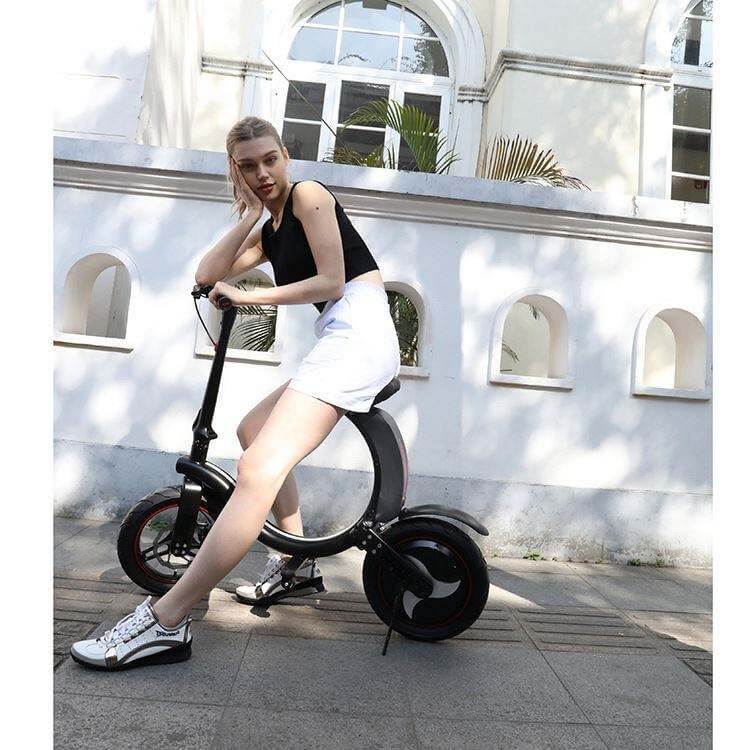
OEM/ODM foldable electric scooter manufacturer
Now, let’s talk EZBKE (our site branding also shows Urban M). Our homepage positions we as a wholesale/OEM manufacturer with ISO processes and multi-stage quality inspection, plus OEM/ODM customization and global export experience.
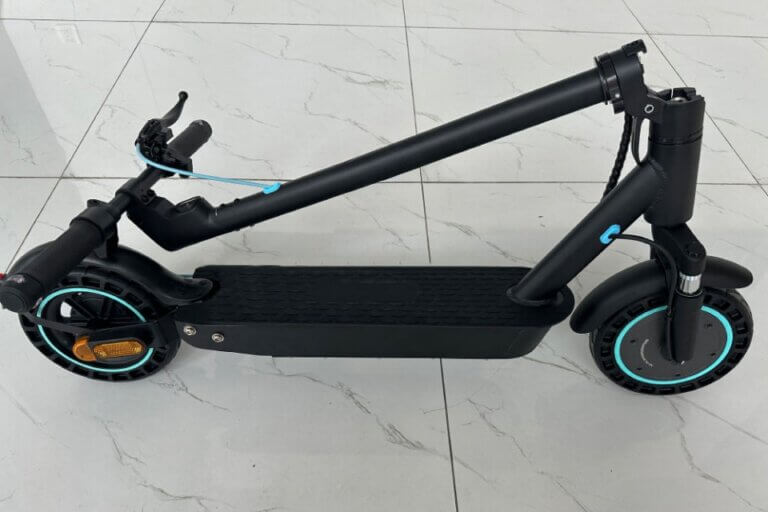
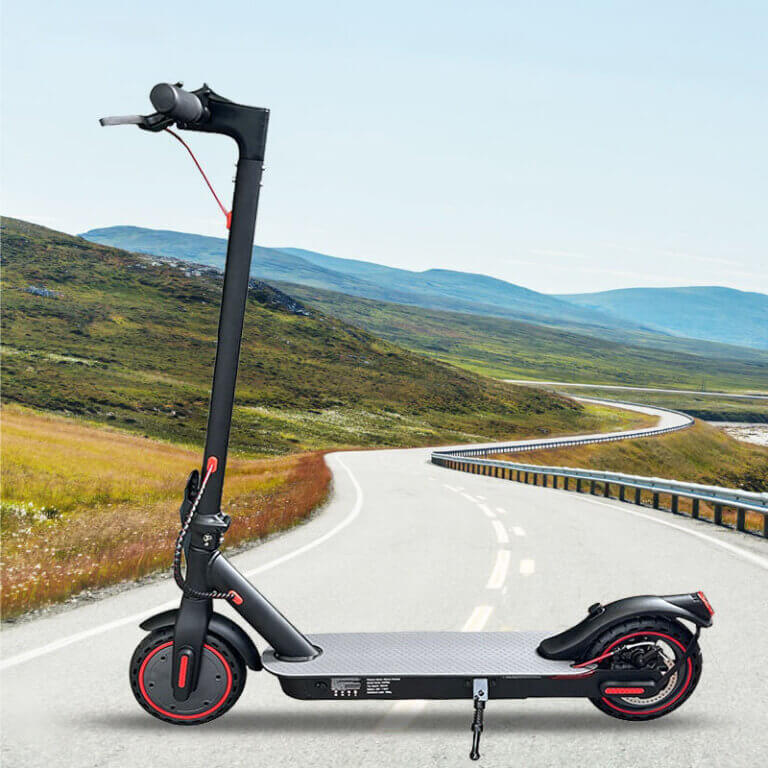
And our Foldable Electric Scooter category page describes a heavy-duty foldable scooter positioning with bulk OEM customization and fleet/shared mobility direction.
That’s exactly what subscription operators want from a supplier:
- consistent batches (less QA drama)
- configurable power/battery for different rulesets
- fleet-ready options (waterproofing, durability, lock/IoT readiness)
- container planning for scale
So instead of selling “a scooter,” you’re selling an ops-ready fleet base.
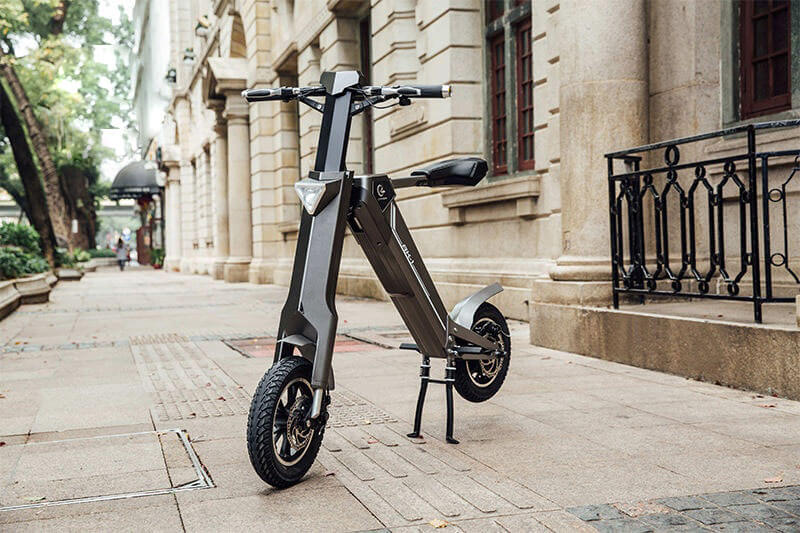
K1 electric motor foldable scooter adult manufacturer
K1 is already written like a subscription-ready SKU:
- dual motor options (EU vs US compliance)
- fast charge
- commuter range
- tech features that customers actually notice (LCD, remote start, USB)
K1 subscription scenario ideas (real-world):
- Employer commuter perk: “your ride is always in your hallway, not outside in the rain”
- Campus semester plan: predictable demand windows, easy redeploy at term end
- Premium city riders: people who want “grab-and-go” without owning
K1 specs worth highlighting (from your page) include motor options, speed variants, battery options, and the feature bundle.
K2 folding adult electric bicycle scooter manufacturer
K2 reads like a practical fleet workhorse:
- 450W motor
- speed cap aligned with common urban limits
- multiple range/battery variants
- container loading info (fleet scaling detail buyers care about)
That “container loading” line is not small talk. It’s procurement language. Fleet operators love that because it makes planning easier.
Foldable Electric Scooter
Here’s a simple comparison table you can drop into sales conversations with subscription operators.
| Model | Positioning | Power / Speed | Battery + range options | Operational “why it helps” | Source |
|---|---|---|---|---|---|
| K1 | Feature-packed commuter SKU | 250W/350W; EU/US speed options | 36V/48V options; commuter range; fast charge | Helps with region compliance + premium retention | K1 page |
| K2 | Scalable wholesale fleet SKU | 450W; capped max speed | multiple battery + range tiers; container loading | Easier scaling + predictable fleet spec ladder | K2 page |
What I’d pitch as “the real plan” (no fluff)
If you’re building a foldable scooter subscription, don’t start with ads. Start with the ops loop:
- Define the rider
Commuters and repeat local trips first. That’s the pattern subscriptions keep pointing to. - Lock your service SLA
Replacement policy, turnaround expectations, inspection workflow. Unagi-style inspection thinking matters because quality drift kills trust. - Choose hardware that reduces service pain
Easy-to-access wear parts, fewer components, fewer SKUs. That’s not theory; it’s what subscription founders talk about when they explain why their model works. - Pick your tech stack early
If you need IoT/app/backend, treat integration as core scope. Joyride’s guide basically warns you not to wing it. - Source like an operator, not a dropshipper
This is where EZBKE / Urban M fits naturally: bulk OEM/ODM, fleet direction, and foldable category positioning.
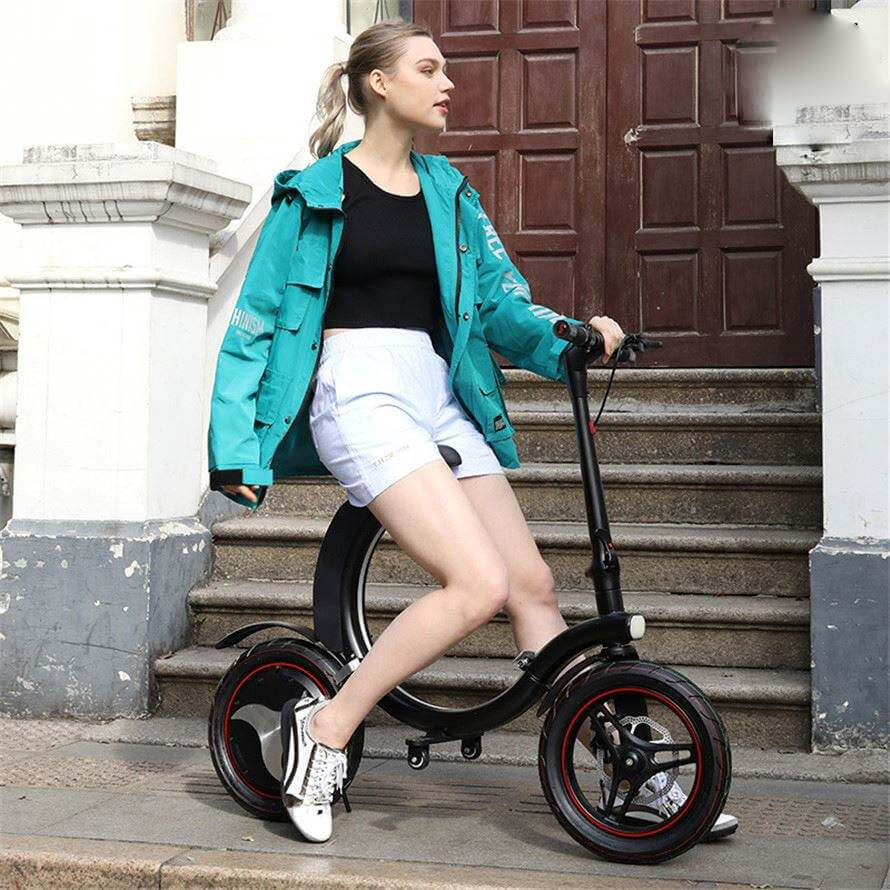
A “sales-native” way to mention Urban M (without being salesy)
If you’re talking to an operator, you can frame it like this:
“Urban M isn’t trying to be a cute DTC scooter brand. We build foldable scooters for programs that live or die on uptime—subscription fleets, rental scenarios, campus plans, even last-mile logistics. You get OEM/ODM flexibility, consistent production, and models like K1 electric motor foldable scooter adult manufacturer / K2 folding adult electric bicycle scooter manufacturer that already map to real-world ops.”