


-
414 Block B, ZT Times Plaza, Wuhan, Hubei, China

Blog
Fleet Scalability: Why Ezbke Sharing Scooters Are Built To Scale
You don’t really feel if a scooter fleet is “scalable” at 20 units.
You feel it when you hit 200, ops inbox explodes, and half the map is grey because vehicles are offline.
Ezbke’s Sharing Scooter stack is built exactly for that moment – when you need the fleet to grow, not crack. The nice part: the logic is already laid out across your own pages. Below I’ll pull the key arguments together and show how Super S, FS Pro, S1 + SaaS + Urban M styling make a fleet that actually scales, not just looks pretty in a pitch deck.
Sharing Scooter business model: hardware + IoT + ops (the real stack)
Ezbke defines sharing scooters as a three-layer stack:
- Hardware – shared-grade frames, swappable packs, waterproof cabling, anti-tamper screws.
- IoT – GNSS/GPS + BLE + eSIM, remote lock/unlock, OTA firmware, geofence, lock-to.
- Ops – rebalancing, swap schedules, field repairs, SLAs, photo end-ride checks.
If you skip any layer, churn goes up and unit economics break. When you get all three aligned, you get higher uptime, less “dead-at-8am” scooters, and fewer support tickets.
Real-world scene
- A campus + metro pilot: S1 units at dorms, Super S near stations, all running on one SaaS stack. Ops crews follow “golden hour” routes (pre-8am, lunch, late evening) and swap packs before peaks, not after.
The big idea: fleet scalability = stack scalability. You don’t just buy more scooters; you scale hardware, data and daily routines together.
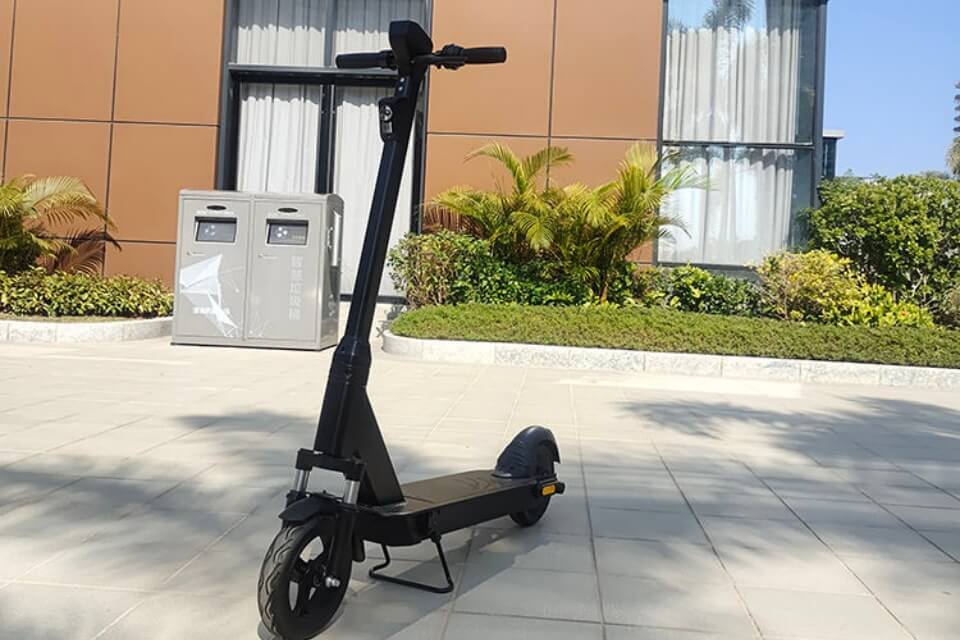
Durable Sharing Scooter For B2B Sale
In your own words: if scooters break too fast, “the math never add up.”
The Durable Sharing Scooter content argues that B2B fleets live or die on durability, not showroom specs:
- Longer service life – frames and welds built to survive seasons, not weeks.
- Modular parts – batteries, tires, brakes swap fast, so MTTR stays low.
- Abuse resistance – anti-theft bolts, hidden cables, weather-proof battery housing for real city abuse.
For wholesalers and operators, “durable” isn’t just a nice adjective; it’s what keeps operating cost under control and helps you win tenders where cities care about sustainability and less scrap metal.
Picture a tourist hub in light rain: weaker scooters die early, riders see “vehicle unavailable,” and your brand eats the complaint. Sharing-grade frames plus IP-rated electronics keep rides going and contracts happy.
Swappable Battery Sharing Scooter Supplier
The Swappable Battery Sharing Scooter story is very blunt: you want scooters online, not sitting at a warehouse waiting on charge.
Why swappable packs are a scalability lever:
- Higher uptime – swap in minutes, keep icons green on the map.
- Lower dead miles – fewer trucks dragging scooters back to depot.
- Predictable SLA – swap schedules based on demand, not charger luck.
- Cleaner safety story – standardized packs, labeled chargers, tidy logs for auditors.
Battery bays are designed for quick open/close, with electronic latches and options for RFID or app-based unlock so only trained staff touch cells.
Ops scene: a two-person crew runs a morning loop with a swap cart, clears low-SOC clusters around transit hubs, and is back before office hour. No drama, no guessing. Just a clean SOP.
Scalability levers at a glance
| Scalability lever | Practical effect in the field | Ezbke proof point / source |
|---|---|---|
| Durable sharing-grade chassis & IP-rated electronics | Fewer cracked frames, less water damage, longer lifecycle | Durable sharing content; Sharing Scooter category |
| Swappable battery architecture | Shorter downtime; swap routes instead of tow-back logistics | Swappable battery content |
| Hardware + IoT + ops integrated stack | Real-time visibility, geofencing, structured SLAs, not guesswork | Sharing Scooter solution for startups |
| SaaS telematics + MTTR mindset | Faster fault response, fewer dead scooters, more stable NPS | SaaS platform highlights |
| Three-model lineup (Super S, FS Pro, S1) matched to scenarios | Right tool for campus, CBD, heavy riders – simpler SKU mix as you scale | Product lineup keywords; Sharing Scooter category |
SaaS Platform for Sharing Scooter Fleet Management
Hardware alone doesn’t scale a fleet. The SaaS platform message shows why:
- IoT & GPS telematics feed live lock/unlock, battery %, and exact location into your system. Without that pipe, pricing, rebalancing and SLAs are “guesswork, not a system.”
- Geofencing, remote lock, VIN & compliance answer city RFP questions about no-ride zones, VIN tagging, and certifications (CE/ROHS, UN38.3, ISO9001, IoT certs).
- Ops jargon is baked in: MTTR, OTA, dwell time, SKU mix, lock-to zones. The platform speaks fleet, not just “apps.”
For you, that means:
- Shorter time to launch a city.
- Easier audits and renewals.
- Clear dashboards to see which area is sucking margin.
This is where the Urban M look also sneaks in: clean UI, consistent branding on the map and in the street. It’s not just pretty; it lowers friction for riders and city partners.
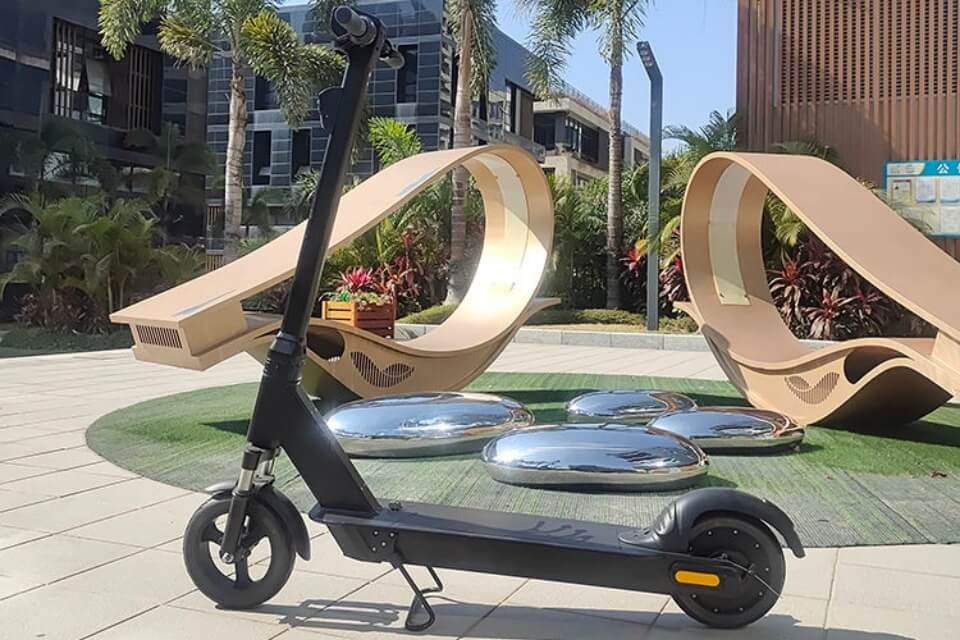
Product lineup keywords: Super S, FS Pro, S1 (match model to scenario)
Ezbke doesn’t flood you with ten random SKUs. The SaaS article and product pages push one simple idea: choose models by scenario, not hype.
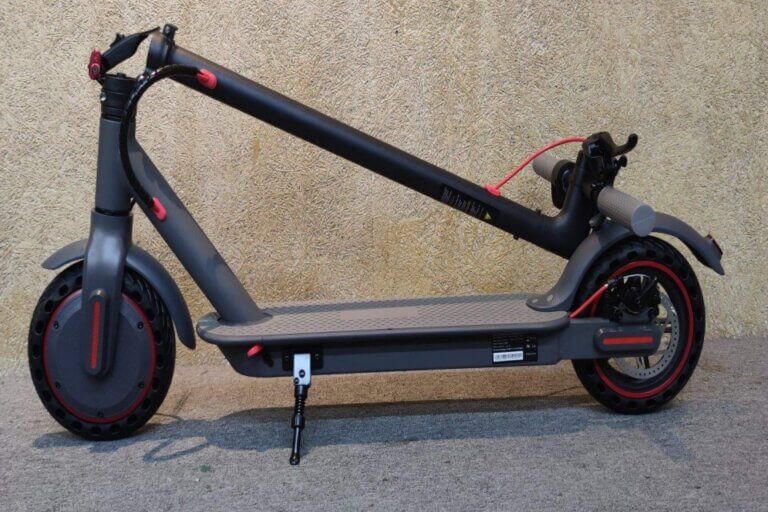
- Super S – Best foldable electric scooter for commute bike wholesaler
Compact fold, aircraft-grade frame, IPX7 electronics. Perfect for transit hubs, mixed-use districts, small elevators, weekend events where riders carry units into tight spaces. - FS Pro – FS Pro mobility electric motor scooter for adults supplier
Airless tires, shared-grade chassis, dual-battery options. Built for tough pavement, potholes, heavier riders, high-utilization zones. Drop it where MTTR and uptime matter more than weight. - S1 – S1 foldable electric scooter for adults 300 lbs factory
Higher load tolerance, IP67 controller and battery, foldable, container-friendly. A natural fit for campuses, resorts, parks, equity zones where accessibility and “300 lbs class” weight support are non-negotiable.
With this trio, a wholesaler or operator can cover most urban scenes but still keep SKU mix simple, which is huge when you scale spares, training, and forecasting.
Campus mobility, tourism rentals, corporate commute (real-world rollouts)
The SaaS platform article spells out three classic rollouts: campus mobility, tourism rentals, corporate commute.
- Campus mobility – predictable morning and evening flows, repeat riders, tight geofences. Lock-to racks and lane geofencing reduce sidewalk chaos and keep permits safe.
- Tourism rentals – riders care more about battery and availability than top speed. Telemetry drives morning swap SOPs, OTA pushes multi-language tips.
- Corporate commute – HR teams want a clean compliance story: VIN, incident logs, fast lock-down in bad weather. Scooters here are part of the benefits stack, not just toys.
You can easily imagine an Urban M-styled Super S line on a tech campus, FS Pro around a waterfront tourist belt, and S1 units near corporate parks where weight and comfort matter. The same SaaS stack glues it all, so adding the next site is more copy-paste playbook than reinvention.
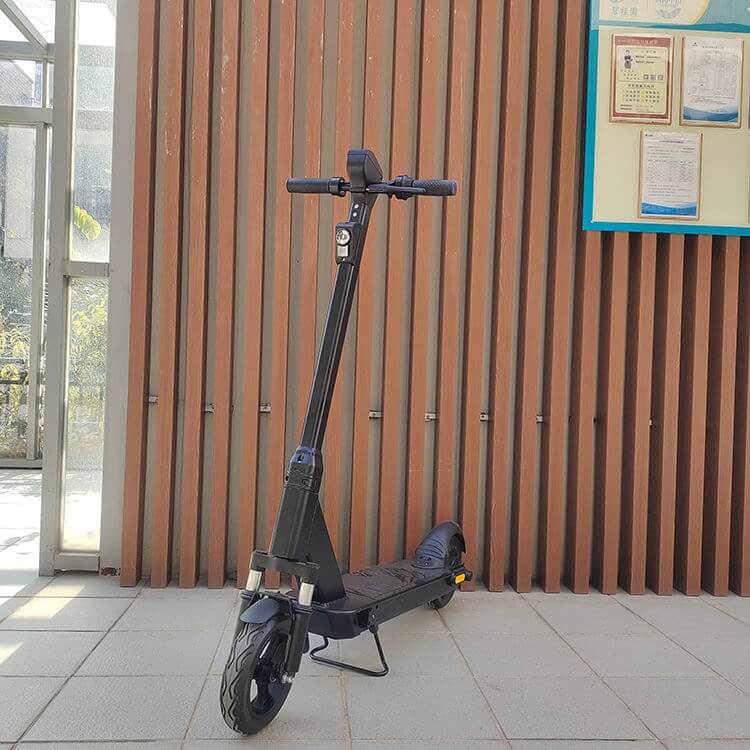
Product requirements checklist for a Sharing Scooter fleet
Ezbke even hands you a checklist in the Sharing Scooter solution:
- Shared-grade scooter with swappable battery and IP-rated cabling
- IoT brain (GNSS/GPS + BLE + eSIM, OTA firmware)
- Geofencing: slow/no-ride/no-park, lock-to logic
- Rider app: wallets, passes, coupons, KYC
- Field ops app: tickets, QR check-in, photo flow, parts inventory
- Analytics: heatmaps, incident tracking, export APIs
- Compliance: data-sharing, insurance docs, curb policy, safety comms
Cross this with the Sharing Scooter category, where you see IP65–IPX7, GPS/Bluetooth locks, and commercial batteries rated for long cycles, plus the three core models.
Put simply, the 15Y electric scooter manufacturer plant behind Ezbke already built the pieces: durable hardware, swap-ready batteries, Urban M design, and a SaaS mindset.