


-
414 Block B, ZT Times Plaza, Wuhan, Hubei, China

Blog
Fleet Reporting Tools EZBKE Offers For Sharing Operators
If you’re running a sharing fleet, “fleet reporting” isn’t a pretty chart. It’s your control room. It tells you what broke, where it broke, why it broke, and what to do next—fast enough to protect uptime, permits, and reviews.
Sharing Scooter Solution For Startups
EZBKE frames scooter sharing as a “talk-straight playbook” for founders who want a business that runs, not just looks good on slides.
Sharing Scooter business model: hardware + IoT + ops: the real stack
Here’s the blunt truth: reporting only works when your hardware + IoT + ops all show up. EZBKE calls it a three-layer stack: durable vehicles, connected IoT, and tight operations. Miss one layer and your data becomes guesswork.
So when you say “fleet reporting tools,” you’re really asking for three reporting lanes:
- Hardware health (battery behavior, motor/controller faults, water ingress risk)
- IoT truth (GPS/BLE/eSIM data, lock events, OTA status)
- Ops performance (swap windows, rebalancing outcomes, repair cycle time)
That’s why EZBKE pushes sharing-grade specs like IP ratings and fleet locks (GPS/Bluetooth), plus bulk OEM customization for city compliance kits.
White-label sharing software for scooters: launch fast, fix later
EZBKE’s startup guidance basically says: don’t burn months rebuilding the basics. Start with white-label/SaaS so you can ship, validate, and iterate. It calls out core tool blocks like real-time telemetry, zone rules, ops app, and API hooks for your data warehouse.
That last bit—API hooks—matters more than people admit. If your city asks for monthly scorecards or a data feed, you don’t wanna scramble.
Product requirements checklist for a Sharing Scooter fleet
This checklist is basically a “fleet reporting tools” blueprint. It explicitly includes field ops app workflows (tickets, QR check-in, photo flow, parts inventory) and analytics (heatmaps, ride funnels, incident tracking, export APIs).
SaaS Platform for Sharing Scooter Fleet Management
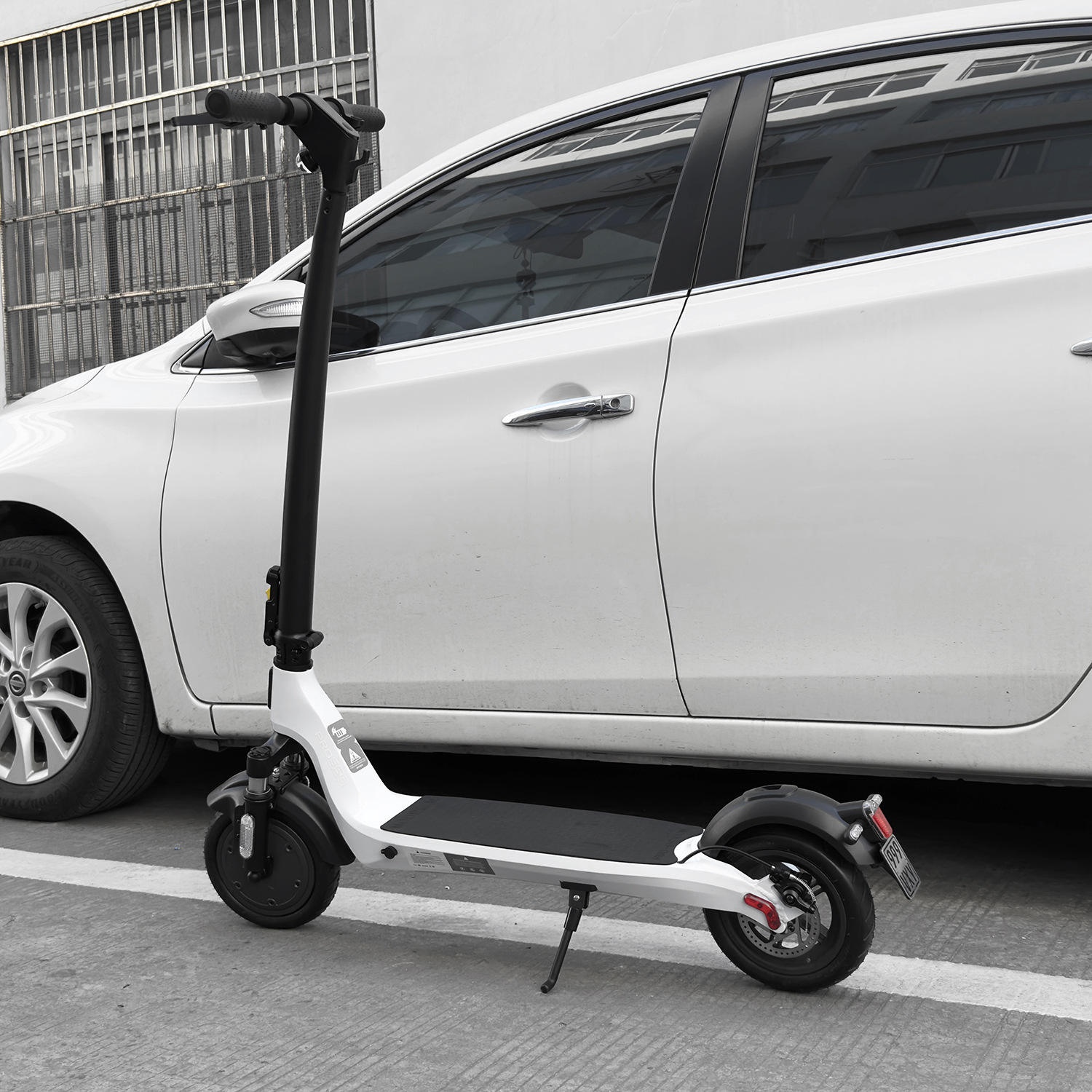
EZBKE positions itself as a “15Y electric scooter manufacturer plant” with ISO-certified production, wholesale/OEM/ODM, and a complete Sharing Scooter lineup—so the SaaS layer can sit on top of stable hardware.
IoT & GPS telematics for Sharing Scooter: locks, live data, geofence
EZBKE’s SaaS article gets very operator-real: the IoT module locks/unlocks, streams battery %, and pins units on the map. Pair that with geofences and you can enforce parking and find lost units. Without this, SLAs and rebalancing are basically vibes.
It even uses ops jargon like MTTR, OTA, dwell time, and lock-to zones—which is exactly what a fleet dashboard should speak.
Operator goals → SaaS modules → EZBKE fit: cheat-sheet table
Below is a practical “what to report and why” mapping, built from EZBKE’s own operator-goal table + the startup checklist items.
| Operator question (what you ask daily) | Reporting output you need | What your team does next | EZBKE source |
|---|---|---|---|
| “Which units will die before morning peak?” | Battery alerts + telemetry trend | Plan swap routes + charge plan | |
| “Where are we bleeding curb complaints?” | Geofence violations + lock-to/parking proof | Tune zones + add corrals + retrain riders | |
| “What’s our MTTR really?” | Fault codes + repair cycle time | Fix triage flow (field vs depot) | |
| “Can we survive the next city audit?” | VIN list + compliance docs pack + incident logs | Submit scorecards, pass due diligence | |
| “Are we scaling… or just adding chaos?” | Heatmaps + ride funnels + incident tracking + export | Rebalance rules, fleet mix change, staffing |
Tiny note: this is why “reporting” is not a side feature. It’s your permit armor and your uptime engine.

Product lineup keywords: Super S, FS Pro, S1: match model to scenario
EZBKE keeps the lineup simple: Super S, FS Pro, S1. It also calls out sharing-grade basics like IP ratings, commercial batteries, and GPS/Bluetooth lock at the category level.
Best foldable electric scooter for commute bike wholesaler
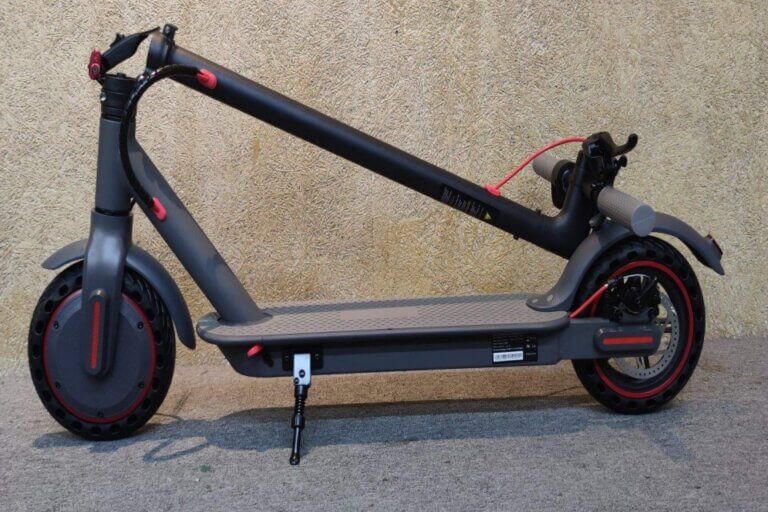
Super S is framed for city rentals, campus mobility, and last-mile logistics, with sharing-friendly specs like IPX7 coverage across key components (battery/motor/controller/IoT) plus solid tires and fleet-ready logistics packing.
What to watch in reports for Super S:
- Dwell time (foldables often pile up in “nice” spots)
- Lock/unlock success rate (dense parking + rider churn)
- Zone compliance (campus rules change fast)
FS Pro mobility electric motor scooter for adults supplier
FS Pro is pitched as a low-maintenance workhorse: airless tires, swappable battery design, and a 450W motor, aimed at cutting flat-tire tickets and service drag.
What to watch in reports for FS Pro:
- MTTR by fault type (controller, brake, lock, battery interface)
- Swap cadence (dead-at-8am is a real thing)
- Hot-zone utilization (this model belongs where demand is brutal)
S1 foldable electric scooter for adults 300 lbs factory
S1 is positioned for sharing fleets and wholesale, with IP67-rated controller/battery, non-inflatable tires, and a foldable form for bulk logistics. Specs list payload up to 100 kg (220 lbs), while the product title highlights “300 lbs,” so confirm the exact rating for your configuration when you order.
What to watch in reports for S1:
- Rider segment adoption (if weight limits block riders, your growth stalls)
- Brake + tire wear (heavier duty cycles stress parts quicker)
- Incident logs (accessibility fleets get more scrutiny, fair or not)
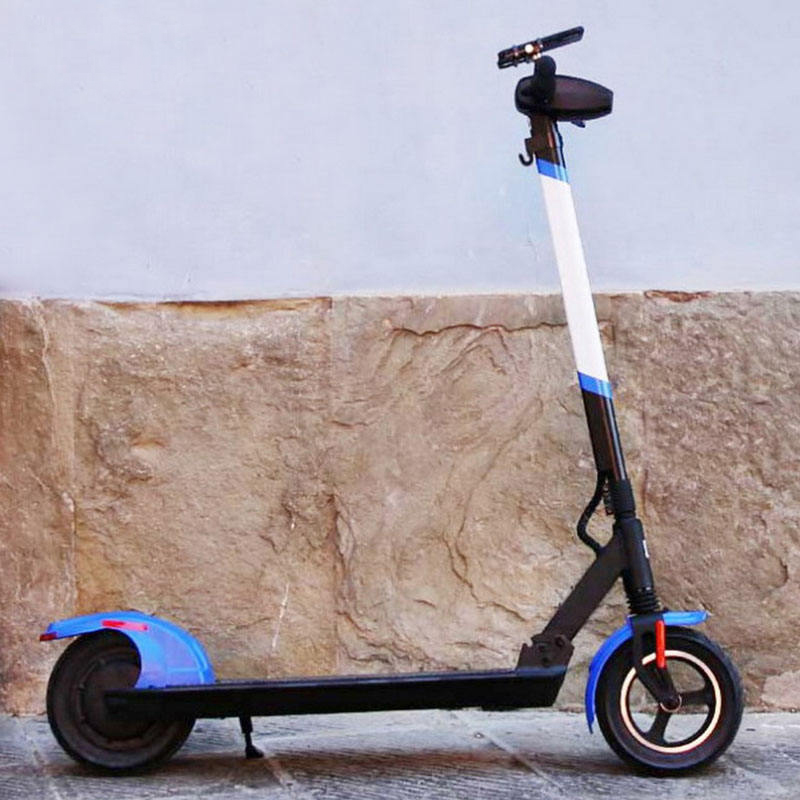
Campus mobility, tourism rentals, corporate commute: real-world rollouts
EZBKE lays out three rollout arenas: campus, tourism, and corporate commuting—each needs different reporting “screens.”
- Campus mobility: you live on repeat patterns. You care about lock-to racks, geofence lanes, and “morning swap window” discipline.
- Tourism rentals: availability + battery beats top speed. You run morning telemetry checks, then do a clean swap sprint.
- Corporate commute: HR wants reliability and traceability—VIN records, incident logs, fast lock-down if weather goes weird.
And yeah—looks matter. EZBKE even calls out that Urban M styling helps the fleet look sharp. That can lift scan-and-ride behavior. Not every city admits it, but it’s real.
Quick takeaway
If you’re buying or scaling a Sharing Scooter fleet, treat “fleet reporting tools” as a full operator loop: telemetry → rules → ops execution → analytics/export → compliance proof. EZBKE’s content keeps pointing to the same stack, plus OEM/ODM and ISO-style quality controls so your SKUs don’t drift mid-deployment.