


-
414 Block B, ZT Times Plaza, Wuhan, Hubei, Kiina

Blogi
Building an Eco-Friendly Brand With Foldables
People throw around “eco-friendly” like it solves everything. It doesn’t. In this business, buyers don’t care much about pretty words if the carton shows up wrecked, the labeling is sloppy, the unit takes too much floor space, or the product feels like it was designed by someone who’s never had to deal with a dealer, a warehouse, or a city commuter in a hurry. That’s the real test. And honestly, that’s where a lot of brands get exposed fast.
But here’s the thing. A kokoontaitettava sähköskootteri brand can actually make a more believable sustainability case than people think—if the story is built on operations, not fluff. Less material waste. Better cube efficiency. Smarter short-trip mobility. A supply chain that doesn’t look messy from ten miles away. Buyers trust practical signals more than broad promises. They want recyclability. They want clarity. They want something that feels real.
Foldable Electric Scooter and Eco-Friendly Brand
Let’s not overcomplicate it. The argument is pretty simple.
| Argumentin otsikko | Mitä se tarkoittaa selkokielellä | Why it matters for EZBKE / Urban M |
|---|---|---|
| Recyclability | Buyers trust packaging they can understand and dispose of more easily | Cleaner message for dealers, fleets, and wholesale buyers |
| Sustainable Packaging Design | Reducing box size and dead space matters more than green slogans | Better cube utilization, lower shipping friction, fewer ugly surprises |
| FSC Chain of Custody Certification | Verified sourcing makes the brand claim look serious | Useful for OEM/ODM decks and private-label trust |
| Greener Micromobility | Short urban trips need compact, durable vehicles, not oversized machines | Foldable scooters fit last-mile, campus, and city commuting scenes |
| K1 sähkömoottori taitettava skootteri aikuisten valmistaja | Entry commuter SKU with region-friendly spec options | Good for compliance-led markets and dealer mix |
| K2 kokoontaitettava aikuisten sähköpolkupyörän skootteri valmistaja | Higher-power, fleet-ready, bulk-friendly model | Better fit for wholesale ops, container loading, and multi-range demand |
What matters is that these points don’t sit in different worlds. They connect. Packaging, sourcing, micromobility, SKU planning, dealer fit—same chain, really. This structure also fits the way wholesale buyers think. They don’t look at one issue in isolation. They look at the full stack.
Recyclability
Funny enough, one of the most persuasive sustainability signals is also one of the least glamorous: can people actually recycle the packaging, or not? That’s it. Not “looks premium.” Not “sounds visionary.” Recyclable. Simple wins.
And that matters even more in the scooter trade, because packaging isn’t just decoration—it’s part of the handoff. It shows up at the dealer. It gets opened by staff. It gets judged by distributors before a rider even sees the unit. If that packaging feels excessive, messy, or hard to process, the eco message starts wobbling right there.
That’s why paper-based packaging keeps showing up in serious sustainability discussions. Not because it looks earthy. Because the infrastructure around it already exists. Big difference.
Sustainable Packaging Design
Here’s the ugly truth: a lot of “green packaging” is just theater. Brown box. Leaf icon. A few soft claims. Maybe one recycled-looking texture and suddenly everybody acts like the job is done. It isn’t.
So for a Kokoontaitettava sähköinen skootteri line, the smarter question is not “Can we make the packaging look sustainable?” It’s “Can we cut dead space, reduce handling issues, protect hinge zones, keep battery paperwork clean, and avoid shipping dumb air across the ocean?” That’s a very different mindset. More factory-floor. Less marketing-deck.
This is where the product story starts to meet the freight story. Tight cartons. Protection around fold joints. battery-compliant labels. Standard carton footprints. Better container density. That’s real ops language, not brochure perfume. In B2B, that stuff hits hard because it touches the pain points buyers actually lose sleep over: DOA claims, DG friction, receiving headaches, warehouse clutter, ugly landed-margin erosion. It’s not glamorous, no. But it sells.
FSC Chain of Custody Certification
This part gets skipped way too often. Brands love talking about “responsibly sourced materials,” but when someone asks what that really means, the room gets quiet. Buyers are tired of soft claims. They want documents, process, and something that can stand up in a sourcing conversation.
And from my experience, once you get into OEM/ODM or wholesale conversations, that difference becomes obvious fast. Procurement teams don’t want a nice story only. They want something they can pass to compliance, to sourcing, to management, and not get burned later. So the stronger brand position isn’t “we care.” Everybody says that. It’s closer to this: we reduce packaging waste, we design for shipping efficiency, and where paper-based materials are used, we can support responsible sourcing with recognized standards. That lands better—because it sounds like you’ve actually done the homework.
Greener Micromobility
Yet this conversation can’t stay stuck on cartons. The vehicle itself has to earn its place. Durability matters. A lot. If the unit doesn’t last, the eco claim gets real shaky, real quick.
And no, foldable scooters won’t magically fix transport emissions by themselves. Nobody serious should pretend they will. But for short urban hops—station runs, campus commutes, hotel-to-attraction loops, business park transfers, last-mile use—they do fit. They fit because they’re compact. They’re easier to store. They make more sense than dragging a full-size vehicle into a tiny trip scenario. Sometimes the right answer isn’t bigger tech. It’s smaller, smarter gear.
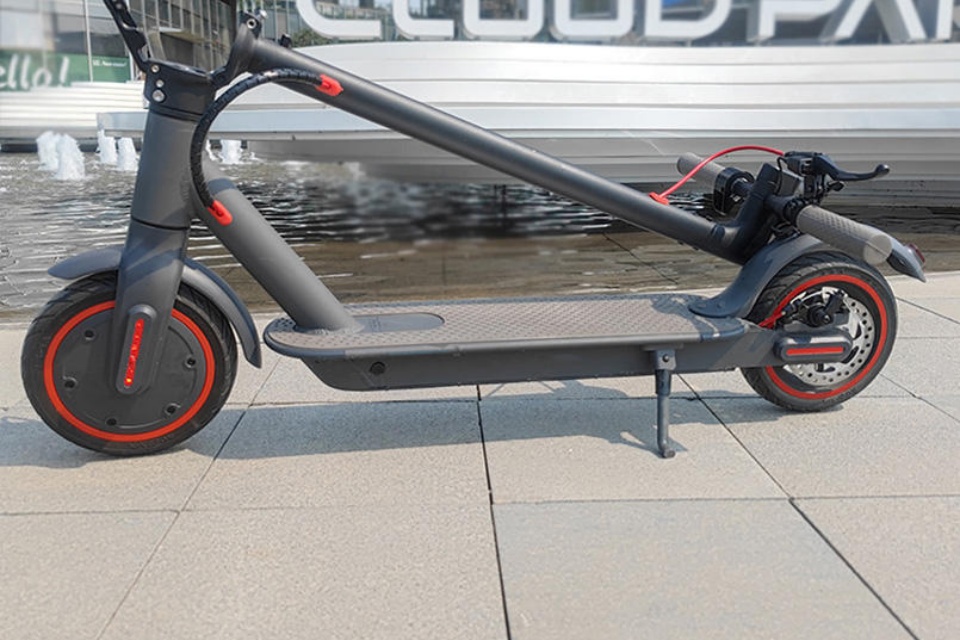
OEM/ODM Electric Scooter Retailer Distributor – Urban M
This is where EZBKE has a stronger angle than a lot of generic scooter sites. It isn’t just selling a product. It’s selling a manufacturing setup, a wholesale model, a customization path, and a channel story across Electric Bike, Electric Kick Scooter, Electric Motorcycle, Kokoontaitettava sähköinen skootteri, Sharing Scooter, plus OEM/ODM and bulk orders. That’s different. It means the sustainability pitch doesn’t have to live only in consumer-facing copy. It can live in sourcing, logistics, container planning, and private-label execution too.
And that matters, because dealers, importers, and fleet buyers don’t all use the same language—but they usually complain about the same stuff. Claims risk. Uptime. Compliance drag. Packaging failures. Mixed SKU logic. Service mess. A cleaner, tighter, better-documented foldable scooter line solves more than one issue at once. That’s where Urban M can feel natural in the story. Not forced. Not bolted on.
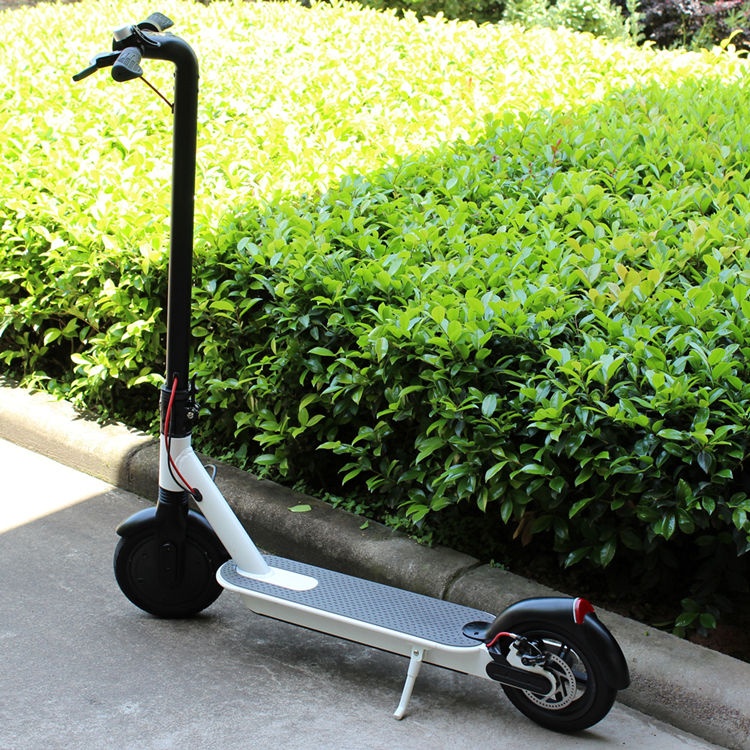
The Foldable Electric Scooter category already gives you a strong base to work from: certification language, hinge durability, weather resistance, OEM customization, battery options, logistics integration, and urban fleet fit. That kind of language sounds credible because it’s concrete. It doesn’t float around in motivational fog. It says what the product is built to do.
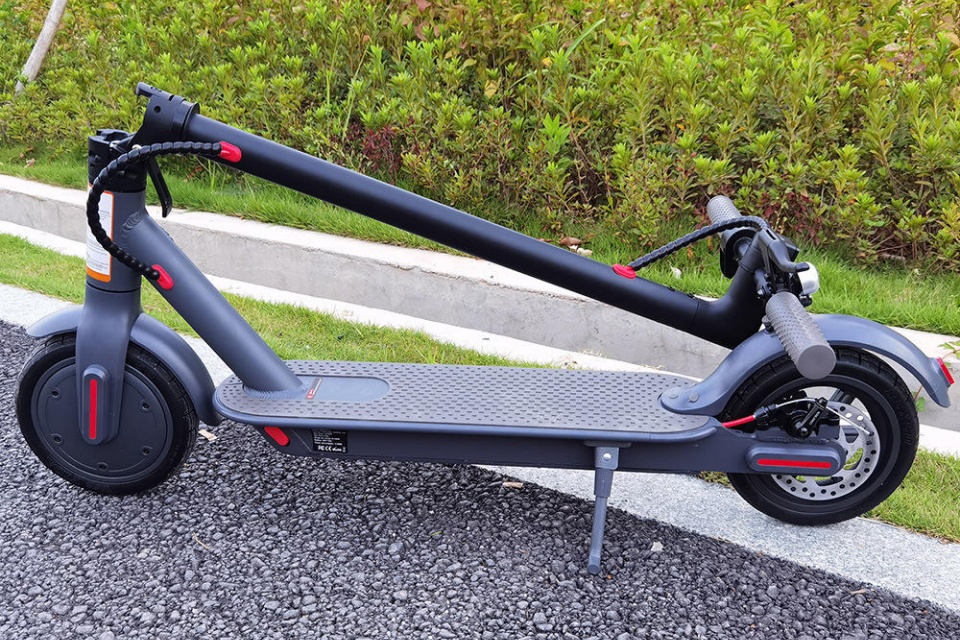
K1 sähkömoottori taitettava skootteri aikuisten valmistaja
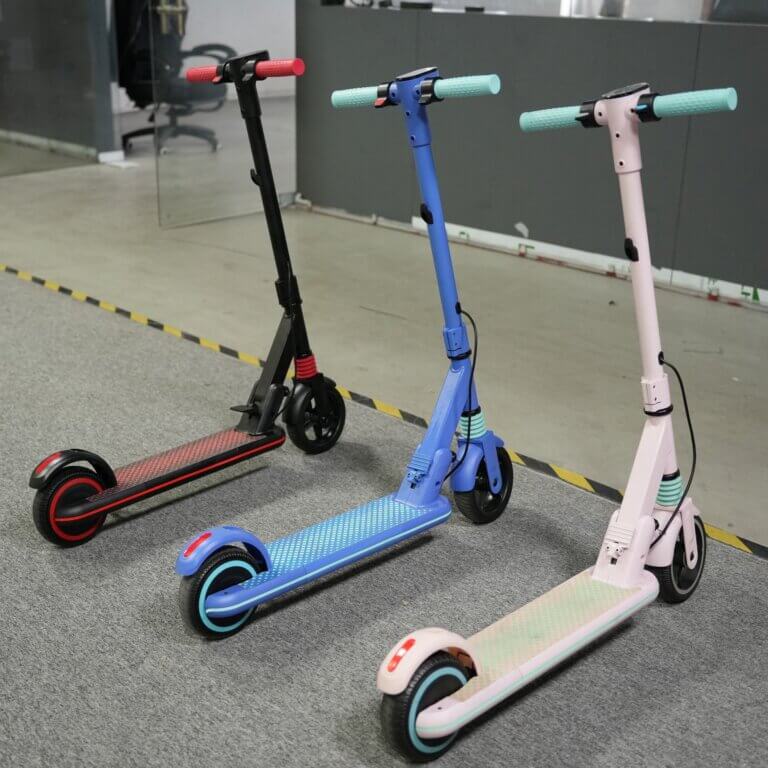
K1 is probably the cleaner commuter story. It works well for urban use, with a foldable frame, flexible motor choices, practical speed options, battery configurations, commuter-friendly range, and a compact format that fits wholesale shipping. That gives buyers flexibility without turning the catalog into chaos. Pretty important, actually.
But specs alone don’t sell the point. Scene fit does. Apartment living. Office carry-in. Metro transfers. Dealer starter programs. Pilot projects. Lightweight city use. K1 makes sense because it works in those real-life settings without asking too much from the rider or the channel partner. It’s not trying to be everything. Good. That restraint helps. It also gives sales teams a clean line they can use without sounding fake: this is a kokoontaitettava skootteri built for actual commuting, not just for show-floor photos and empty marketing noise. That kind of line sticks, even if the grammar ain’t fancy.
K2 kokoontaitettava aikuisten sähköpolkupyörän skootteri valmistaja
K2 shifts the conversation. More scale. More range flexibility. More fleet logic. It’s a better fit when buyers need stronger performance, more battery choices, and a SKU that feels ready for bigger-volume movement.
It also moves the eco-friendly argument into a more commercial lane. Because once you talk about loading efficiency, tiered range, deployment logic, and product mix, you’re not just talking sustainability in a vague, moral sense. You’re talking system efficiency. That’s where B2B buyers perk up. Sustainability that helps the operation? That’s the sweet spot.
Here is the practical fit.
| Malli | Best-fit scene | Ostajan kipupiste | Why it supports an eco-friendly brand |
|---|---|---|---|
| K1 | City commuting, dealer programs, compliance-sensitive markets | Need a compact, foldable commuter SKU with flexible spec options | Less storage friction, cleaner urban-use story, easier market adaptation |
| K2 | Fleet deployment, wholesale distribution, last-mile use | Need stronger performance, range tiers, and container planning | Better ops fit, stronger logistics story, more credible scale narrative |
That table says a lot in very few words. K1 gives you nimble commuter positioning. K2 gives you stronger wholesale and fleet language. Together, they help Urban M look less like a one-off scooter pitch and more like a real foldable mobility platform with room to scale.
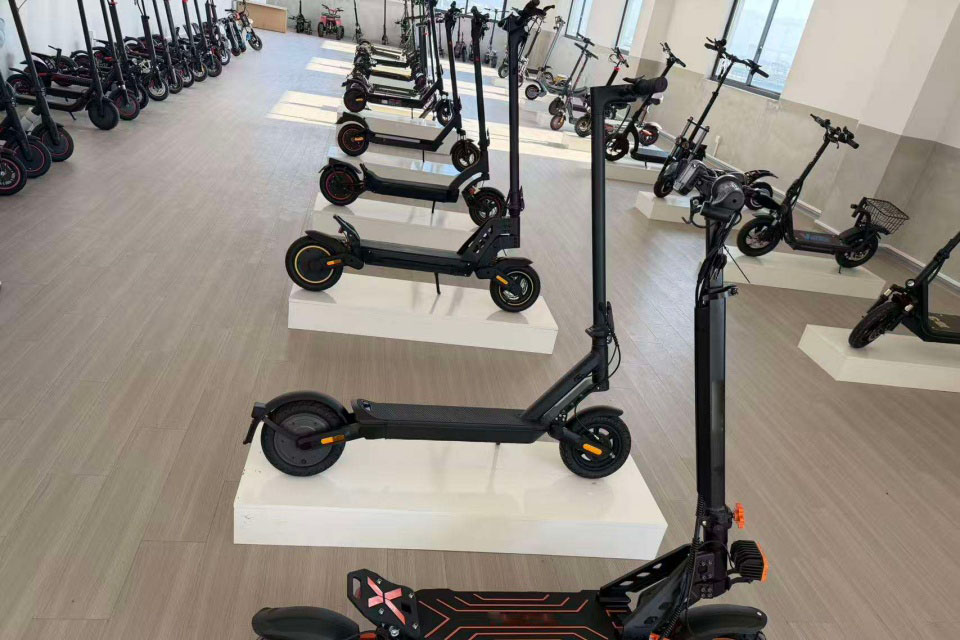
Sustainable Packaging for Foldable Scooter Delivery
A serious eco-friendly brand in this category can’t separate the product from the packaging. That split doesn’t hold up in the real world. If cartons are oversized, if fold hinges aren’t protected, if lithium battery labels are wrong, or if container use is sloppy, the whole brand message weakens. Fast.
And maybe that’s the simplest way to put the whole case. Building an eco-friendly brand with foldables is not about looking sustainable. It is about designing a foldable electric scooter system that uses smarter packaging, cleaner sourcing logic, durable product specs, and real urban-use scenarios. That’s what dealers can repeat. That’s what distributors can sell. That’s what makes Urban M feel grounded instead of generic. Attention is easy to get. Trust is harder. This kind of structure gives you a better shot at both.