


-
414 Block B, ZT Times Plaza, Wuhan, Hubei, China

Blog
Ezbke’s Smart Lock Integration For Shared Scooters
When I checked the public pages around “Ezbke’s Smart Lock Integration For Shared Scooters,” one thing got clear fast. The real story is not just about a lock. It’s about how the lock sits inside a bigger Sharing Scooter stack: hardware, IoT, 4G/GPS, geofencing, app flow, parking control, and fleet ops. On EZBKE, that idea shows up again and again across the Sharing Scooter category, the hardware-and-software article, the SaaS article, the 4G/GPS article, and the compliance article. So, if you write this topic as “smart lock = anti-theft part,” you’re missing the meat of it. (ezbke.com)
A sharing lock now does four jobs at once. It opens the ride, closes the ride, sends live status to the cloud, and helps operators prove they can run a clean fleet. That matters for city tenders, campus deployments, tourist mobility, and last-mile programs. It also matters for wholesale buyers, OEM/ODM clients, and platform partners who don’t want patchy devices, frozen dashboards, or scooters vanishing off the map. That’s where EZBKE’s site is actually strongest: it sells the scooter, yes, but it also sells the ops logic behind the scooter. (ezbke.com)
Related Articles Found On EZBKE
| Related page | What it adds to the topic |
|---|---|
| Sharing Scooter Hardware & Software Integrated Solution | Shows that a real fleet solution includes the scooter, the IoT brain, the cloud platform, and the rider app |
| SaaS Platform for Sharing Scooter Fleet Management | Connects smart lock data to geofence rules, remote lock, OTA, VIN, white-label app, and fleet KPIs |
| Manufacturer Of Sharing Scooters With 4G/GPS Module | Explains remote unlock, anti-theft, and live location as daily fleet basics |
| IoT Sharing Scooter Manufacturer | Ties lock-to parking, AI parking compliance, and city-facing proof into one workflow |
| Safety Compliance For Shared Scooter Deployment In Cities | Frames smart lock integration as part of permitting, parking compliance, speed control, and data sharing |
| Sharing Scooter category + Super S / FS Pro / S1 | Shows the actual EZBKE product base behind the software and compliance story |
The table above is built from EZBKE’s public Sharing Scooter pages and product pages. Those pages consistently tie lock control to GPS/Bluetooth, compliance kits, OEM/ODM customization, 4G connectivity, white-label deployment, and city-ready fleet logic. (ezbke.com)
Sharing Scooter Hardware & Software Integrated Solution
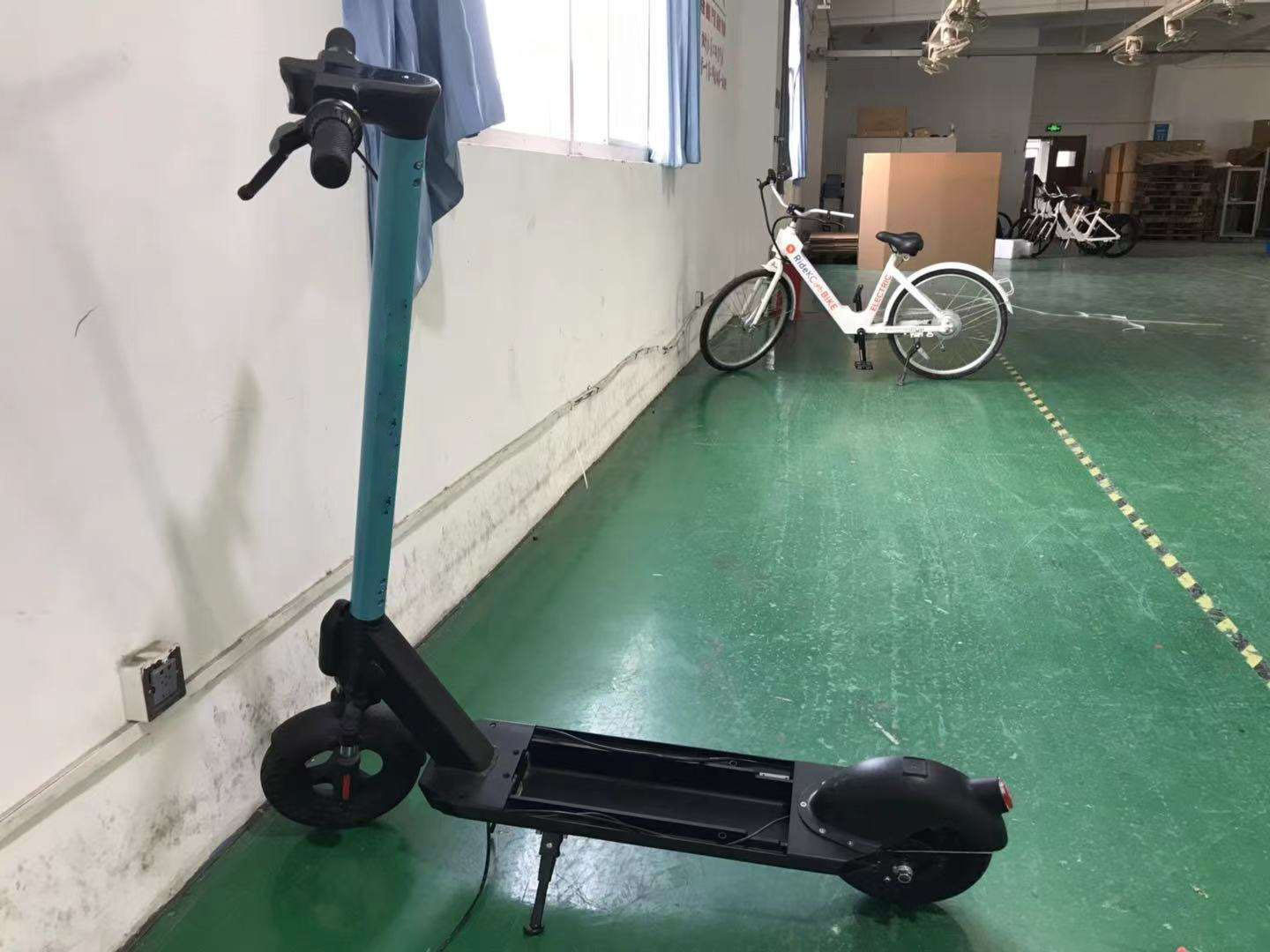
This is the first big point, and maybe the most important one: a smart lock only works for shared scooters when it’s part of an integrated system. EZBKE says that pretty plainly. Their hardware-and-software article breaks the stack into four pieces: the physical scooter, the IoT box, the cloud platform, and the rider app. If one part drops, the whole service gets shaky. That’s real fleet life. A rider scans, nothing opens. Or the scooter unlocks, but the server doesn’t log it. Or the ride ends, but parking proof never lands in the back office. Bad day. (ezbke.com)
That’s why “smart lock integration” should be treated like a system architecture topic, not a single-feature topic. In EZBKE’s own wording, the IoT module locks, unlocks, feeds live data, and works with GPS to track rides and geofence zones. Put in plain English: the lock is the gatekeeper of the whole ride lifecycle. It ain’t just a lock anymore. (ezbke.com)
4G/GPS IoT Module: The Backbone Of Fleet Operations
The second argument is simple: without 4G/GPS, smart lock integration stays half-done. EZBKE’s 4G/GPS article says operators need to see the scooter, control it, and protect it live. That includes real-time location, remote unlock and lock, and anti-theft alerts. This is not fancy talk. It’s basic fleet hygiene. When a scooter gets dragged away, or a rider says “the app charged me but the scooter didn’t open,” the ops team needs logs, location, and lock status right now, not later. (ezbke.com)
This also plugs straight into operator black talk: uptime, MTTR, dwell time, rebalancing, van rolls, swap SOPs. If lock status and battery status flow into one system, the team can dispatch smarter, swap sooner, and kill less time hunting dead units. EZBKE’s SaaS page says the same thing in a more platform-heavy way: software is only as good as the data it sees. That line is dead right. No telemetry, no real ops. (ezbke.com)
Portland e-scooter lock-to rule
Here is where the article gets more serious. Smart lock integration is now a compliance issue, not only a security issue. Portland’s official e-scooter rules require users to lock scooters to a public bike rack or signpost at the end of a ride, and the city says that rule helps keep sidewalks clear and safe. EZBKE’s IoT article reads that signal correctly: if cities move toward lock-to parking, then the scooter needs lock hardware and app logic that won’t let the ride end unless the lock actually clicked. That’s a strong, concrete point.
NACTO’s guidance points the same way. Its parking requirements section shows cities using parking zones, bike racks, lock-to options, photos, and geofencing to control street clutter. So, when buyers ask for “smart lock,” what they often really mean is “give me a fleet that can survive a city audit.” That’s the real pain point. Not vibes. Not brochure fluff. Audit trail, clean sidewalks, fewer complaints.
Geofencing and AI Parking Compliance
Now for the third argument: GPS alone is not enough. EZBKE’s compliance page says geofencing helps, but it isn’t magic. NACTO says something similar in practice by showing cities still leaning on photos, corrals, and spot checks for parking control. That means the future stack is not “smart lock only,” and not “GPS only.” It’s smart lock + geofence + end-of-ride proof. (ezbke.com)
That is exactly why EZBKE’s IoT Sharing Scooter Manufacturer page talks about Geofencing and AI Parking Compliance, and why the Veo/Captur rollout matters. Veo says riders take an end-of-ride photo, and Captur’s AI checks parking compliance before the trip can be completed. Veo also says this workflow is rolling out across more than 50 U.S. markets and reduces time spent auditing parking manually. For operators, that means less back-office mess. For cities, it means cleaner sidewalks. For manufacturers, it means the lock module, app, camera flow, and geofence logic all need to work together in one payload. (ezbke.com)
SaaS Platform for Sharing Scooter Fleet Management
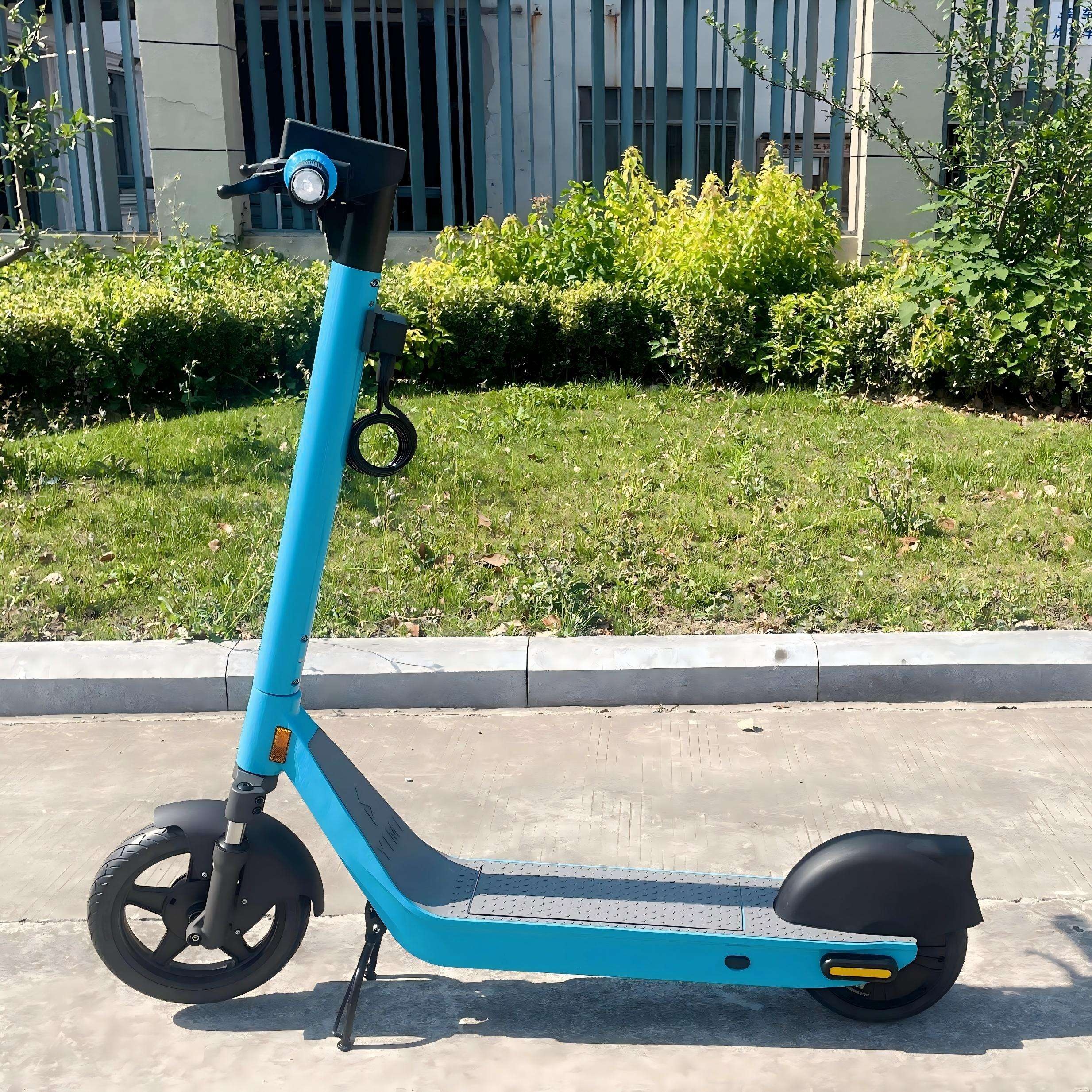
This is the commercial layer, and buyers care about it a lot. A smart lock becomes valuable when it feeds a SaaS platform that cuts friction across the whole fleet. EZBKE’s SaaS page ties IoT data to geofencing, remote lock, VIN, compliance docs, OTA, white-label app setup, and model mix. That matters in tenders because city buyers don’t only check the scooter. They check whether you can run the scooter, monitor it, service it, and report on it without chaos every week. (ezbke.com)
There’s also a brand angle here, and EZBKE handles it better than many factories do. The page says Urban M styling keeps the fleet sharp while the stack stays rugged. That’s smart. In B2B mobility, looks still matter. Clean hardware makes QR onboarding easier, makes rack shots look better, and helps the fleet feel less cheap in a city rollout. Not the biggest point, sure, but it sells. And yes, it helps partners who want a cleaner consumer face on an OEM/ODM fleet. (ezbke.com)
Sharing Scooter: Super S, FS Pro, S1
A strong article on this topic should not stay too abstract. It needs real use cases. EZBKE already gives you that through the Sharing Scooter range.
Best foldable electric scooter for commute bike wholesaler
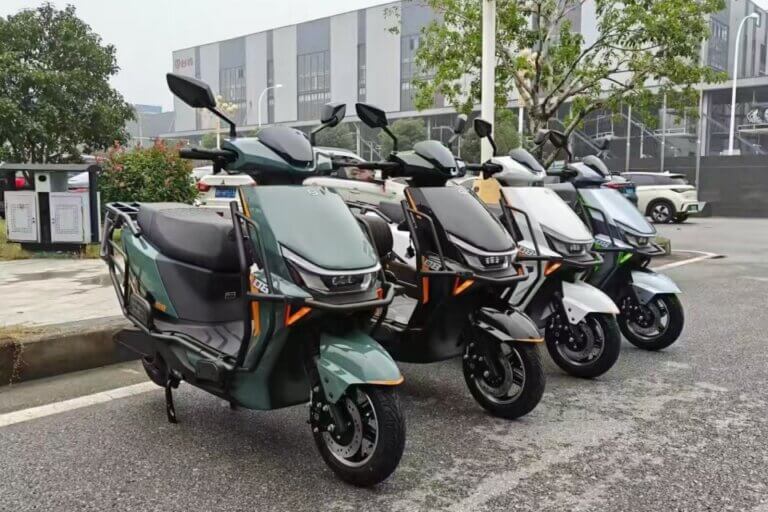
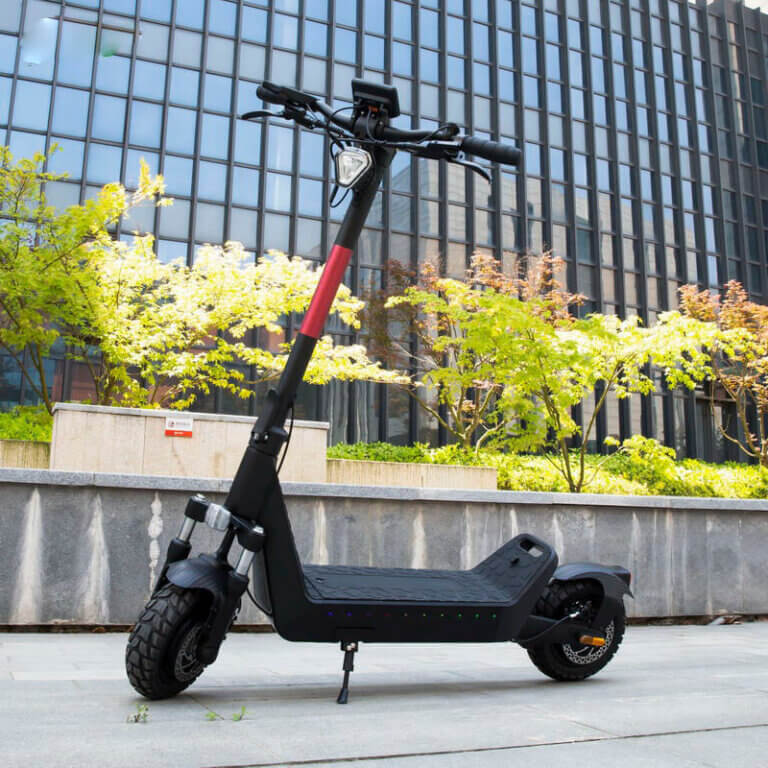
Super S fits city rentals, campus mobility, and last-mile routes. EZBKE positions it as compact, foldable, and ready for urban turnover. So if your operator needs fast circulation and easy indoor staging, this one makes sense. (ezbke.com)
FS Pro mobility electric motor scooter for adults supplier
FS Pro is the tougher fleet mule. EZBKE highlights airless tires, swappable batteries, 4G connectivity, white-label readiness, and regulation-ready setup. That makes it a better fit for routes with longer daily duty, fewer wrench windows, and less patience for flats. In ops language: lower service drag, cleaner turnaround. (ezbke.com)
S1 foldable electric scooter for adults 300 lbs factory
S1 gives you a stronger inclusion story. EZBKE positions it for sharing fleets, bulk orders, and heavier riders. That matters in real deployments because not every fleet can build around one rider body type and still call itself city-ready. (ezbke.com)
Core Arguments And Source Trail
| Keyword | Concrete argument | Why it matters in the market | Source trail |
|---|---|---|---|
| Smart lock integration | A lock in a shared scooter is the ride gate, not just a theft part | It controls unlock flow, trip closure, and ops visibility | EZBKE hardware/software + SaaS pages |
| 4G/GPS module | Remote lock, live tracking, and anti-theft are now baseline fleet needs | Operators need real-time control, not manual chasing | EZBKE 4G/GPS page |
| Lock-to parking | Cities increasingly want scooters locked to racks or signposts | Parking discipline affects permits and complaints | Portland + EZBKE IoT page + NACTO |
| Geofencing and AI parking compliance | GPS alone can’t solve parking mess; photo proof and AI close the gap | Better end-of-ride control, fewer disputes, cleaner sidewalks | NACTO + Veo/Captur + EZBKE IoT page |
| SaaS platform | Smart lock data gets valuable only when it reaches the cloud stack | Better uptime, lower MTTR, stronger compliance reporting | EZBKE SaaS page |
| Super S / FS Pro / S1 | Different scooters fit different fleet jobs | Better SKU mix for campus, city, tourism, and heavier-duty use | EZBKE Sharing Scooter pages |
| Urban M | Fleet hardware still needs a good street face | Better rider perception and cleaner OEM/ODM brand story | EZBKE SaaS + IoT pages |
The matrix above is grounded in EZBKE’s public product and blog pages, plus Portland’s rules, NACTO’s parking guidance, Veo/Captur’s AI parking rollout, and OMF’s explanation of mobility data handling. OMF is useful here because it reminds operators that vehicle data can support planning and compliance, but data governance still needs care. (ezbke.com)
Final Take
So, what do the related articles around “Ezbke’s Smart Lock Integration For Shared Scooters” really say?
They say a smart lock is no longer a side part. It’s the control layer between rider, scooter, city, and operator. It starts the ride. It ends the ride. It feeds the dashboard. It supports geofence rules. It helps prove parking compliance. It lowers the mess in fleet ops. And when that lock sits inside a sharing-grade scooter platform like Super S, FS Pro, or S1, with OEM/ODM support and an Urban M face, the story gets stronger for distributors, city partners, and bulk buyers. That’s the business value. Not hype. Just a tighter stack that works on real streets. (ezbke.com)