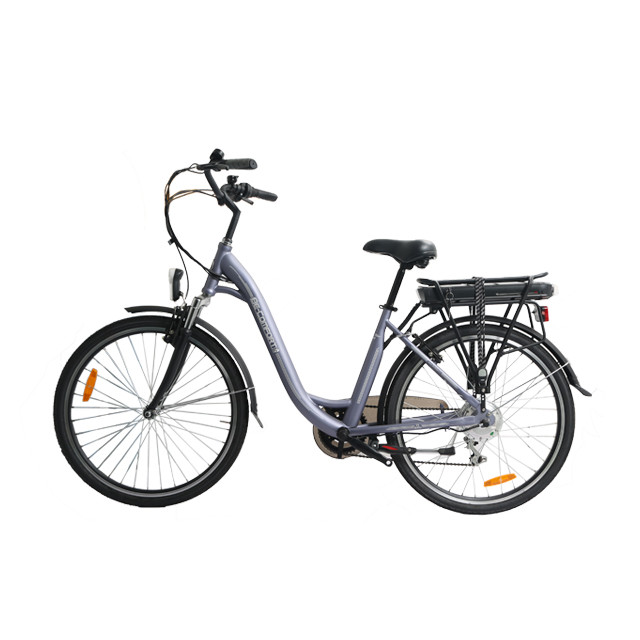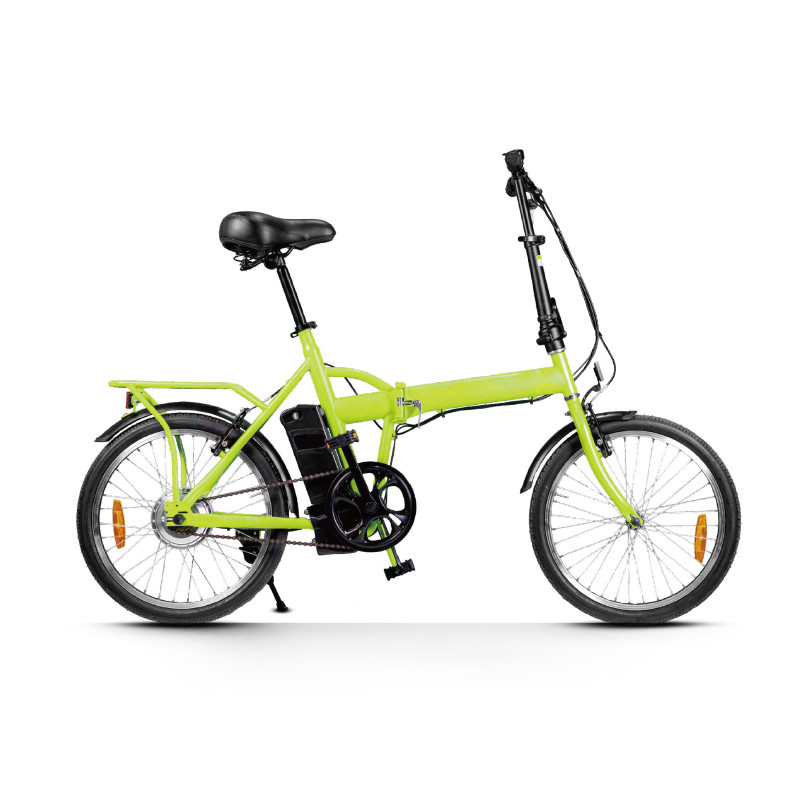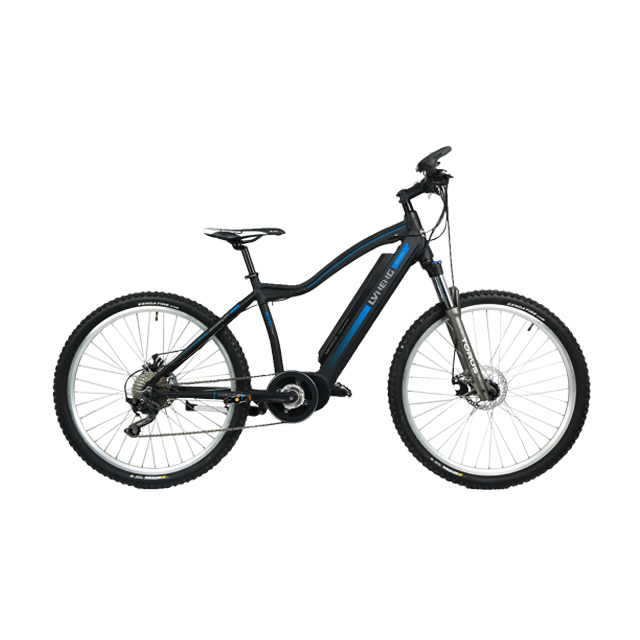



-
414 Block B, ZT Times Plaza, Wuhan, Hubei, China

Blog
Exporting Electric Motorcycles to the EU: What to Know
Before we jump in: EZBKE positions itself as an industrial-grade e-motorcycle OEM/ODM supplier (fleets & brands, bulk pricing, worldwide logistics). So the goal isn’t “ship a bike.” The goal is: ship a compliant vehicle + a clean paper trail + a support plan, so your EU buyer can register, sell, and service it without getting stuck.
Electric Motorcycle
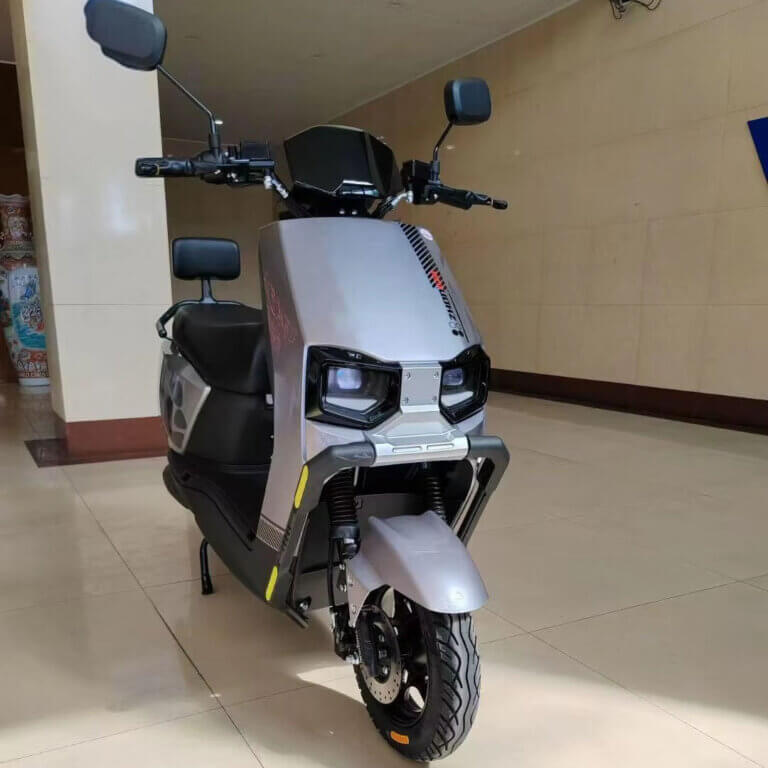
EZBKE’s Electric Motorcycle category is clearly built for fleet buyers, wholesalers, and brands that want OEM/ODM—with positioning like waterproof frames, UL-certified batteries, long range claims, and global logistics.
Here’s the part many sellers skip: in the EU, your buyer isn’t just buying hardware. They’re buying risk. If you help them reduce homologation risk + customs risk + after-sales headaches, you win the deal (and the re-order).
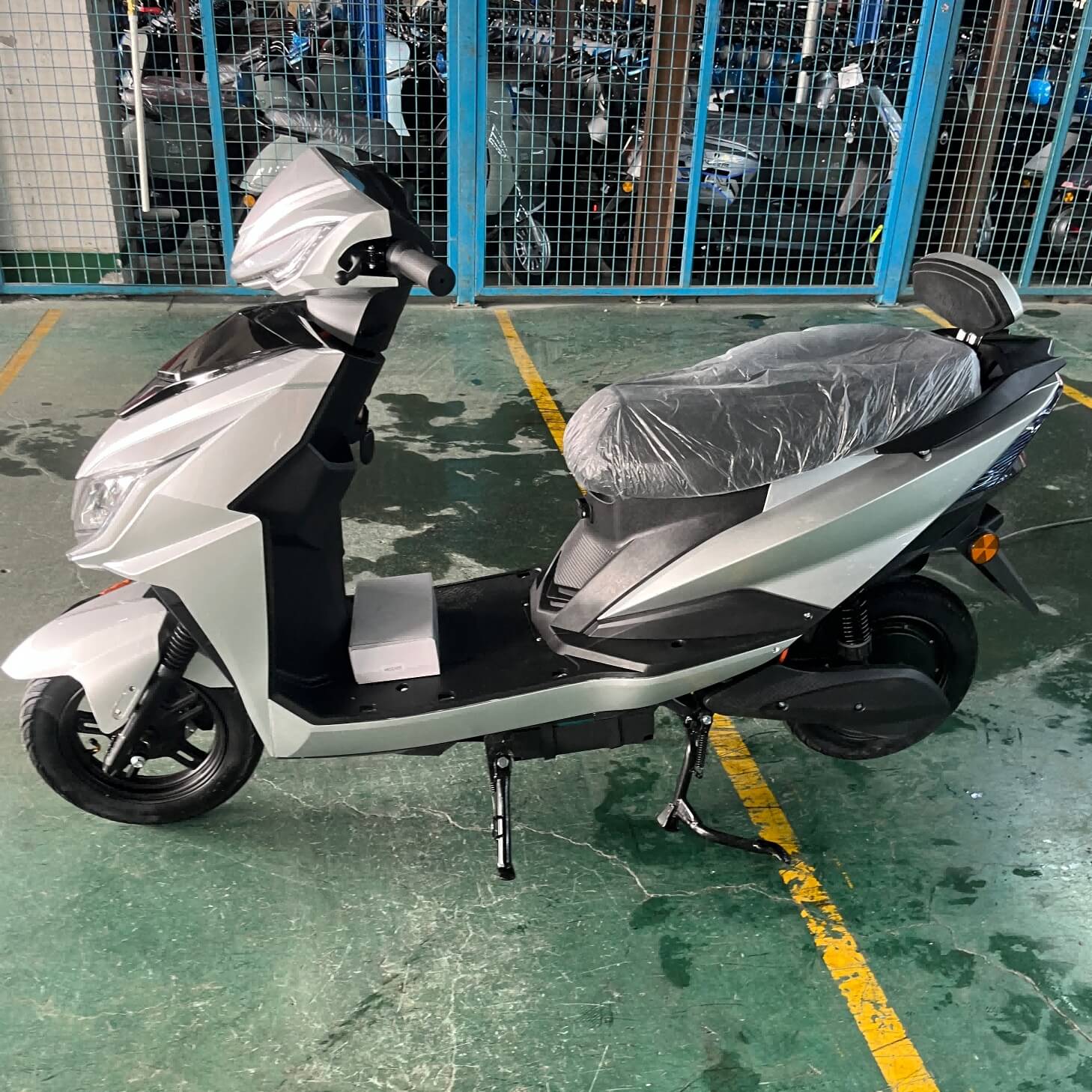
EU Regulation 168/2013 (L3e) — Type-Approval Basics
If your model lands in the EU’s L-category world (mopeds/motorcycles), the conversation quickly turns into type-approval. Your own exporter guide calls this out directly.
Even better: several of your product pages already reference “168/2013 EEC”, and some even specify L1e-B (moped class). For example, S3 and X1 show “168/2013 EEC, L1e-B Approved.”
L3e-A1 / L3e-A2 / L3e-A3 Power Classes
Your exporter article uses the L3e power-class framing (A1/A2/A3) as the buyer-friendly way to talk about “what can be sold where, and how hard the process will be.”
Practical buyer translation:
- If you’re selling a 45 km/h cap model (common in your lineup), you’re usually in a moped lane (often easier to place with delivery/rental).
- If you’re selling higher speed (example: S6 lists 75 km/h), you’re in a more “motorcycle-like” lane, and buyers will ask tougher questions about test reports, consistency, and traceability.
CoC, VIN, E-mark, OBD — Don’t Skip the Boring Stuff
Your exporter guide literally says don’t skip this boring stuff—because this is where importers lose months.
If your buyer can’t register the units smoothly, they’ll stop ordering. Simple as that.
Certificate of conformity (CoC)
EU guidance is blunt here: the Certificate of Conformity (CoC) matters, and authorities in member states generally can’t refuse registration if the vehicle has a valid EU type-approval and CoC (with the usual checks).
How to use this commercially (without sounding sales-y):
- Offer a “homologation pack”: CoC/approval references, VIN structure + traceability notes, labeling/marking list, and a clean tech file index.
- Promise what you can actually deliver. If your model is not EU type-approved yet, don’t wink-wink it. EU buyers hate that.
Sustainability rules for batteries and waste batteries
Battery compliance is no longer “nice to have.” The EU battery regulation pushes sustainability, safety, and lifecycle controls (think: documentation, labeling, end-of-life responsibilities, and more scrutiny over time).
For an EU buyer, this turns into real sourcing questions:
- “Can you prove battery specs and origin?”
- “Do you have consistent cell supply (Samsung, etc.) across batches?”
- “What’s your plan for pack traceability?”
Your own product pages already lean into Samsung cells and removable packs (which fleet operators love for uptime).
UN R136 Electric Safety & UN38.3 Lithium Battery Transport
This is where deals get spicy (in a bad way). Your exporter guide calls out UN R136 + UN38.3 and shipping reality.
Even in IATA guidance, UN 38.3 testing and lithium battery transport rules show up as core safety gates for air transport.
Buyer pain point: they don’t want a container stuck because “battery docs don’t match the packing list” or because someone guessed the DG classification.
Guide for import of goods
The EU’s own “Guide for import of goods” frames importing as a step process—check conditions/duties, ensure product complies with EU requirements, organize transport, and prep customs docs.
For you, the exporter, this means you should package your offer like a project:
- compliance items (type-approval / markings / manuals),
- shipping docs (invoice, packing list, DG where relevant),
- and a buyer-ready checklist.
This reduces friction, makes you look pro, and helps close faster.
Value added tax
VAT isn’t a side note. Access2Markets explains VAT as a tax on added value through the chain, ultimately borne by the final consumer, with import and intra-EU transaction angles.
You don’t need to “calculate it” in your pitch. But you do want your buyer thinking:
“Ok, this supplier understands EU landing流程, not just factory ex-works.”
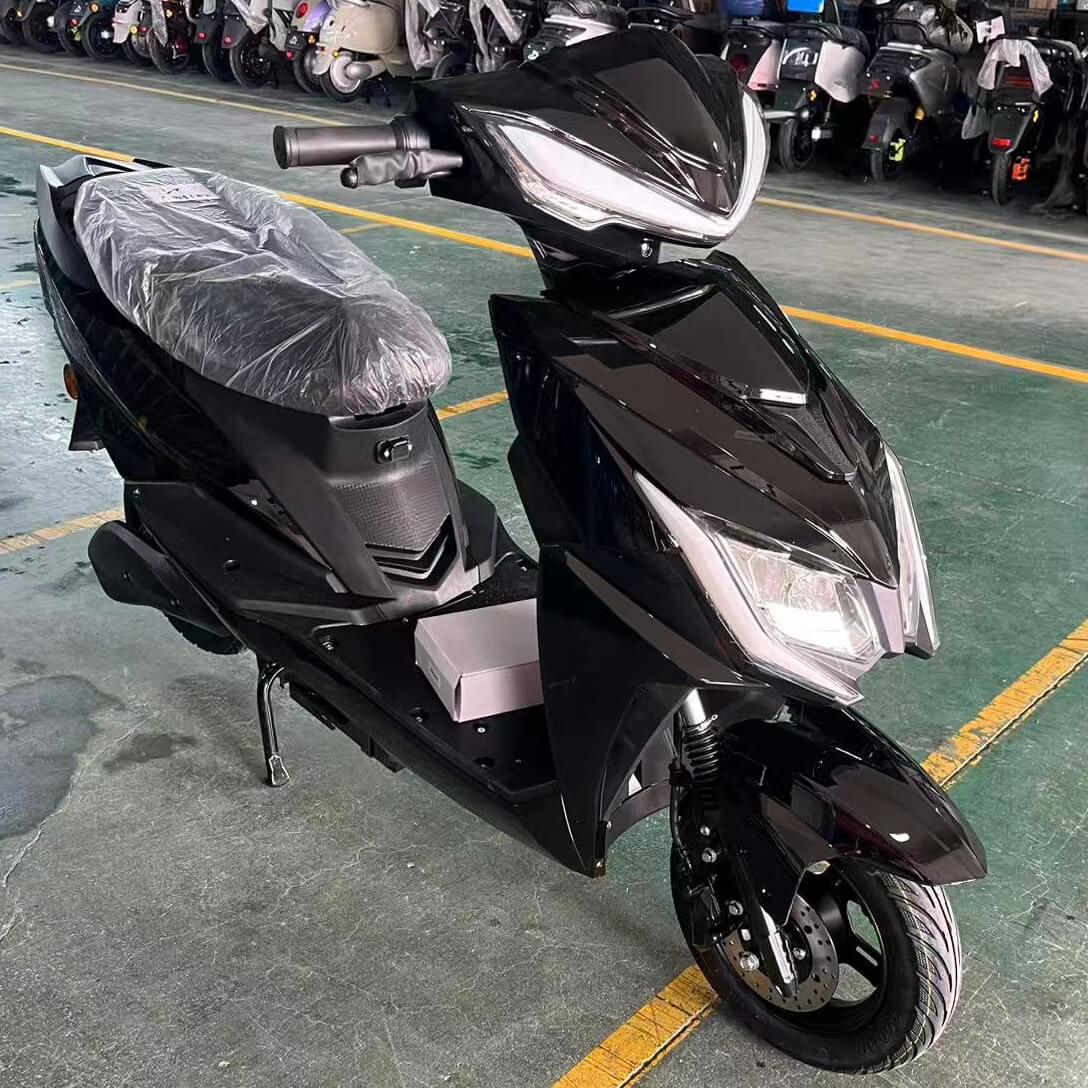
The arguments that keep showing up (and how to use them in real deals)
| Argument (buyer-facing) | What it means in practice | Strong source(s) |
|---|---|---|
| “EU type-approval isn’t optional.” | Classify correctly (L1e-B vs L3e, etc.). Don’t ship first and pray later. | |
| “CoC + VIN traceability makes or breaks registration.” | Provide a clean documentation pack; don’t make the importer chase. | |
| “Battery rules are getting stricter.” | Expect sustainability + lifecycle questions; keep cell/pack consistency. | |
| “Lithium transport paperwork kills timelines.” | Align UN38.3 evidence + DG docs with actual shipment config. | |
| “Import is a process, not a single step.” | Help buyers prep customs documents and compliance steps upfront. | |
| “VAT reality shapes go-to-market.” | Importers think about VAT handling and downstream pricing strategy. |
Compliance & Logistics — Exporter’s Checklist (No Fluff)
Your exporter article pushes a simple truth: if you want EU buyers (distributors, fleets, rental operators), bring a checklist mindset.
Here’s a version that matches how procurement teams actually talk:
- Homologation lane: What class is it, what docs exist, what’s still “in progress”?
- BOM discipline: “Same bike” must stay the same across batches. EU buyers hate silent substitutions.
- After-sales kit: spare parts, service docs, fault codes, RMA flow. Keep it boring and reliable.
- Packaging + container plan: reduce damage rate and claims (your margin dies here).
- Branding/OEM: colorway, decals, controller limits, region config. (This is where Urban M trim can slot in naturally.)
EZBKE already sells the OEM/ODM story (ISO processes, OEM/ODM customization, R&D capacity).
Scenario Playbook (Real Buyers, Real Roads)
Your exporter guide literally uses a scenario playbook approach. Let’s make it more “sales-floor real”:
Scenario 1: “I run a city delivery fleet. I need uptime, not vibes.”
Point them to models that scream fleet practicality:
- S5: 45 km/h, 120–150 km range, dual Samsung packs, 3000W Bosch motor.
- S5D: 45 km/h, 120–150 km range, Samsung battery, Bosch motor; calls out deliveries directly.
Your pitch line (keep it human):
“Swap-friendly battery setup, simple charging, and parts you can actually support. Less downtime, more routes.”
Scenario 2: “I’m a rental operator. I need speed caps + easy service.”
- S3: 45 km/h, 75–150 km range, Bosch 2000W, explicit L1e-B approval reference on-page.
- X1: 45 km/h, 75–90 km range, Bosch 2000W, L1e-B approval reference.
Rental buyers care about rate of returns and repair turnaround. Talk about:
- tubeless tires,
- removable packs,
- and “we keep spares ready” (don’t overpromise).
Scenario 3: “I’m a distributor. I want a faster SKU for premium city riders.”
- S6 lists 75 km/h top speed, with a Bosch motor and portable battery angle.
Distributor talk (a lil rough grammar, like real life):
“If you want a higher-speed city unit, S6 is the one. But we gotta align the compliance lane first, or else it gets messy fast.”
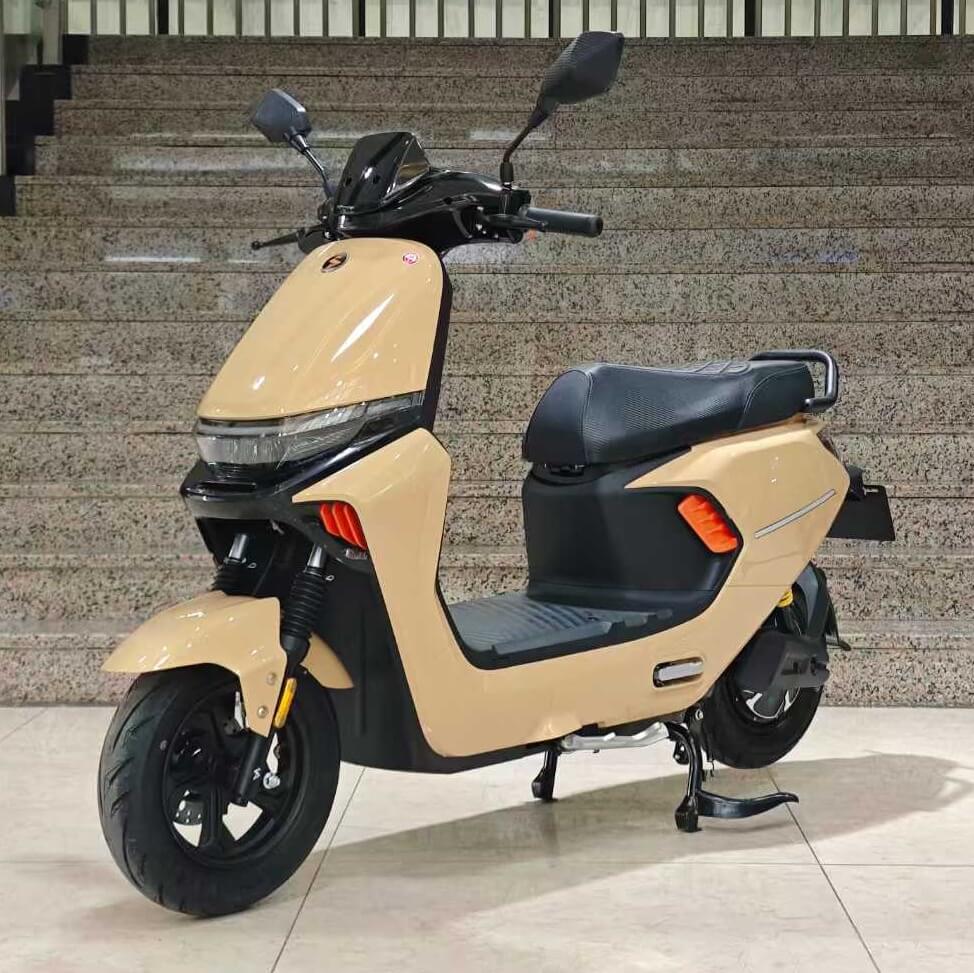
EZBKE Electric Motorcycle lineup quick-fit
| Model | Max speed | Range | Motor | Compliance hint on-page | Best-fit use case |
|---|---|---|---|---|---|
| S3 | 45 km/h | 75–150 km | 2000W Bosch | 168/2013 EEC, L1e-B Approved | delivery fleets, rentals |
| S4 | 45 km/h | 75–150 km | 1.44 kW Bosch | (spec table shown) | commuter bulk orders |
| S5 | 45 km/h | 120–150 km | 3000W Bosch | (spec table shown) | fleet + “range-first” buyers |
| S5D | 45 km/h | 120–150 km | 3000W Bosch | (spec table shown) | urban delivery + campus fleets |
| S6 | 75 km/h | 60–120 km | 4.0 kW Bosch | (spec table shown) | premium city distributors |
| X1 | 45 km/h | 75–90 km | 2000W Bosch | 168/2013 EEC, L1e-B Approved | rentals + city commuters |
Final take: sell the “EU-ready workflow,” not just the bike
If you want EU buyers to choose EZBKE (and keep re-ordering), don’t make them babysit your process.
Package the offer like this:
- Pick the class + compliance path first (L1e-B vs L3e etc.).
- Ship with a doc pack mindset (CoC/VIN/markings/test reports where applicable).
- Treat batteries as a regulated product (sustainability + transport).
- Speak importer language (steps, customs docs, VAT awareness).