


-
414 Block B, ZT Times Plaza, Wuhan, Hubei, China

Blog
Electric Motorcycles: The Next Big Thing In Urban Transport
If you search around the headline “Electric Motorcycles: The Next Big Thing In Urban Transport”, you’ll notice the same story keeps showing up: electric two-wheelers are already the most electrified road segment, and cities like them because they’re compact, clean at the tailpipe, and easy to run in fleets.
Before we talk models and real-world scenarios, here’s a quick argument map you can cite.
Argument map (claims + evidence + sources)
| Argument (clear claim) | What it means in urban transport | Evidence you can quote | Source |
|---|---|---|---|
| Electric two- and three-wheelers are already the most electrified segment | This market is not “early.” It’s already scaled. | ~15% global sales share in 2024; 10 million electric sales; >9% global fleet electric | IEA Global EV Outlook 2025 |
| Urban commuting fits electric motorcycles best | Short trips + stop-and-go = strong match for EV torque + easy parking | 2/3Ws are primary transport in many urban-heavy regions; removable batteries reduce infra needs | IEA Global EV Outlook 2025 |
| Removable battery + battery swapping reduces downtime | Fleets care about uptime more than “cool specs” | Swapping stations emerging; valuable for taxi/delivery use cases | IEA Global EV Outlook 2025 |
| Life-cycle emissions drop as electricity gets cleaner | The climate upside grows over time with grid decarbonization | BEVs offer lowest life-cycle emissions; benefit increases as electricity mix decarbonizes | ICCT LCA (cars + two-wheelers) |
| Battery swapping is real in daily work (case: Kenya) | Proof that “no home charger” riders can still go electric | Battery-swap model is a key selling point; electricity pricing seen as more predictable | Associated Press report |
| OEM/ODM matters because cities + fleets demand compliance and consistency | Buyers want repeatable builds, not random parts | “Custom OEM/ODM for fleets & brands… waterproof frames… UL-linked batteries… worldwide logistics” | EZBKE Electric Motorcycle category |
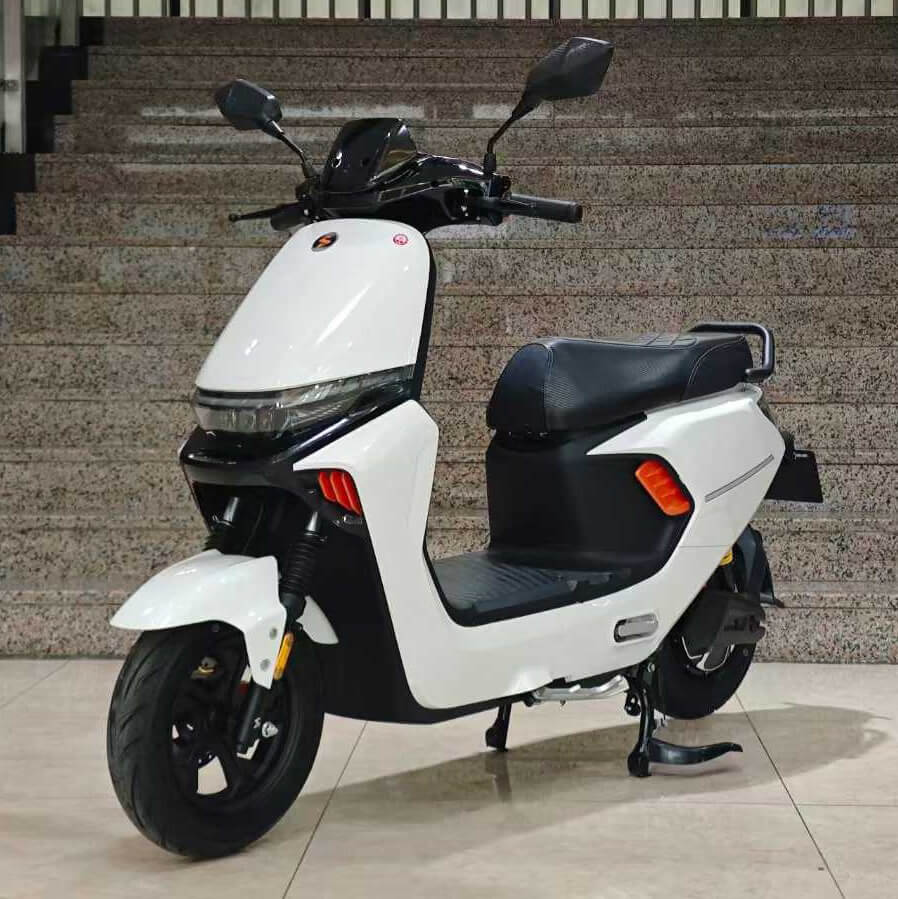
Electric two- and three-wheelers remain at around 15% sales share in 2024
Here’s the part most people miss: electric two- and three-wheelers aren’t waiting for the future. They’re already the most electrified road segment.
So if you’re building a city mobility plan—or a delivery fleet—you’re not betting on a trend. You’re picking a tool that already works at scale. And scale matters because it pulls the supply chain forward: battery packs, controllers, brakes, tires, spares, service playbooks… the boring stuff that keeps fleets alive.
Urban commuting is the sweet spot for electric motorcycles
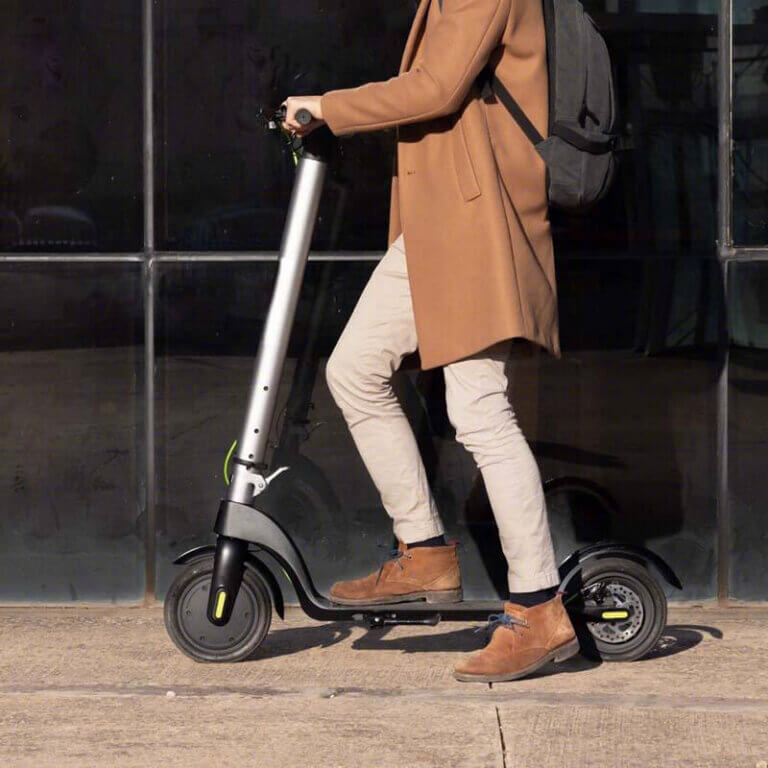
In dense cities, your biggest enemy isn’t speed. It’s friction: traffic lights, parking, narrow streets, “no car zones,” and short hops that waste time. Electric motorcycles shine here because they’re compact, responsive, and easy to stage near demand.
Picture this: you leave the subway, you’ve got 2–8 km left, and the bus is packed. A small electric moto or moped fills that gap cleanly. That’s why 2/3Ws stay a primary urban mode in many places.
Removable batteries and battery swapping stations cut charging friction
Fleet ops people talk about one thing all day: uptime.
Charging is fine when you’re at home with a socket. But fleets run on schedules. That’s why removable batteries and swapping setups matter so much for delivery and taxi-style use.
And real talk: battery swapping isn’t theory. Reports from Kenya describe how swap systems help riders avoid long charge waits, and riders also describe electricity pricing as more stable than fuel swings.
Life-cycle greenhouse gas emissions and the electricity mix
Tailpipe emissions are easy to understand: electric motorcycles have zero tailpipe emissions.
But buyers also ask: “What about the whole life cycle?” That includes electricity production, maintenance, and battery manufacturing. The ICCT life-cycle assessment work (including two-wheelers) finds battery electric vehicles have the lowest life-cycle emissions, and the benefit grows as the electricity mix decarbonizes over time.
So if your city grid gets cleaner year by year, your fleet’s footprint gets better without you changing the vehicle. That’s kinda nice.
Total cost of ownership and maintenance: why fleets care (without the spreadsheet headache)
You asked for no cost math, so let’s keep it practical.
Fleets don’t buy “a motorcycle.” They buy:
- predictable maintenance (disc brakes, tubeless tires, stable wiring)
- repeatable parts (same battery format, same controller family)
- fewer service tickets (less downtime, fewer returns)
- clean compliance docs (so customs + local rules don’t stall your launch)
That’s why OEM/ODM matters. You’re not just slapping a logo. You’re locking specs so every unit behaves the same.
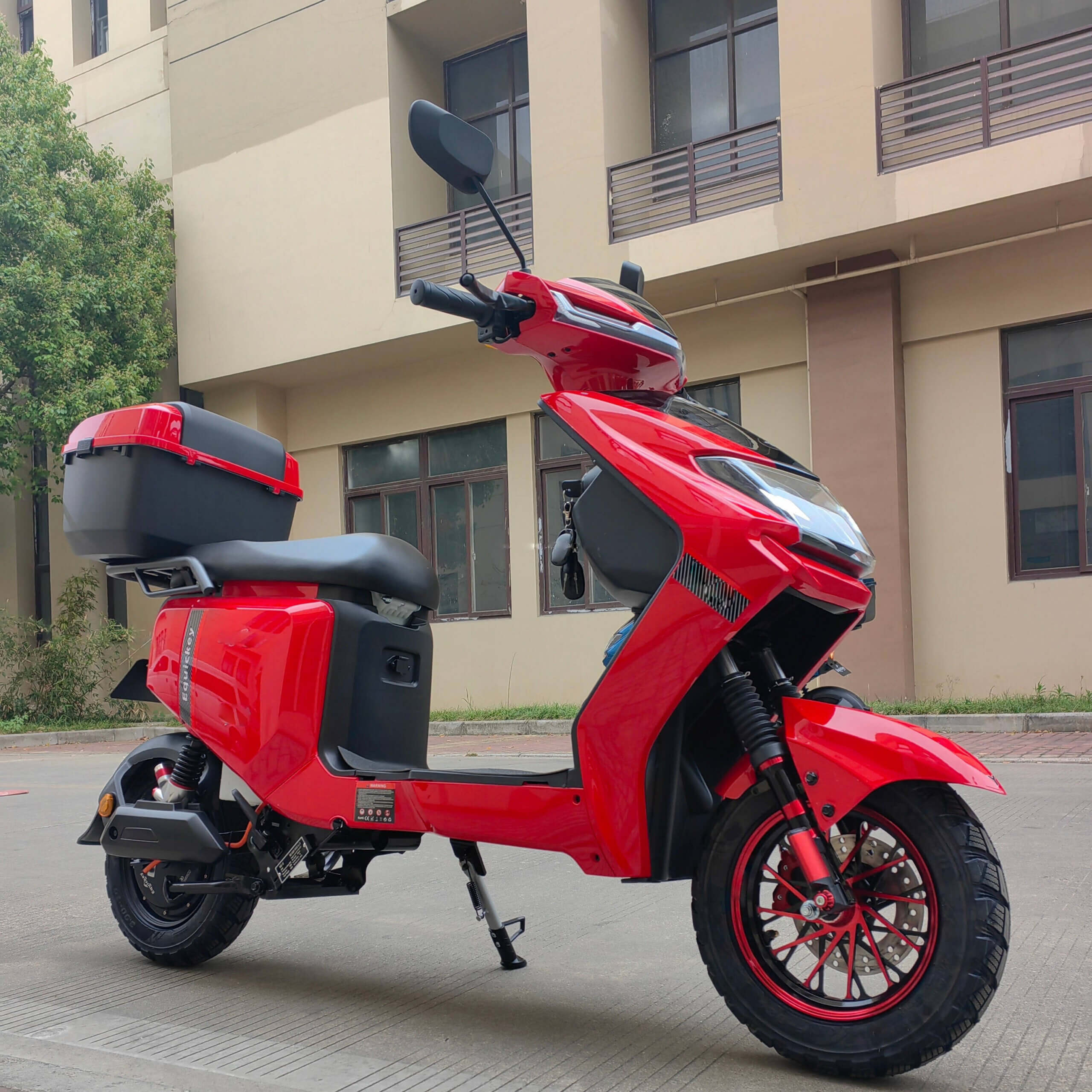
Electric Motorcycle OEM/ODM for fleets & brands
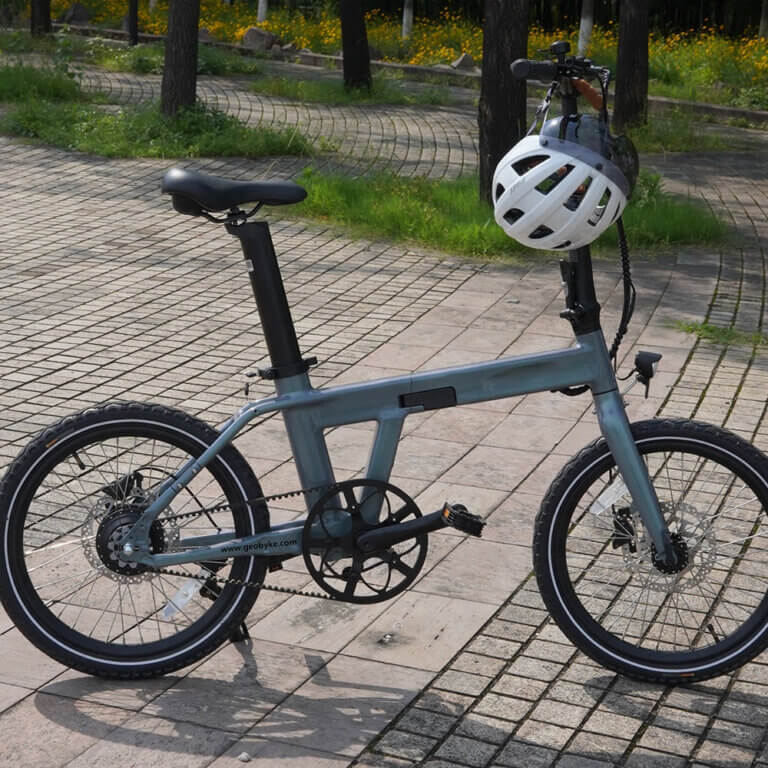
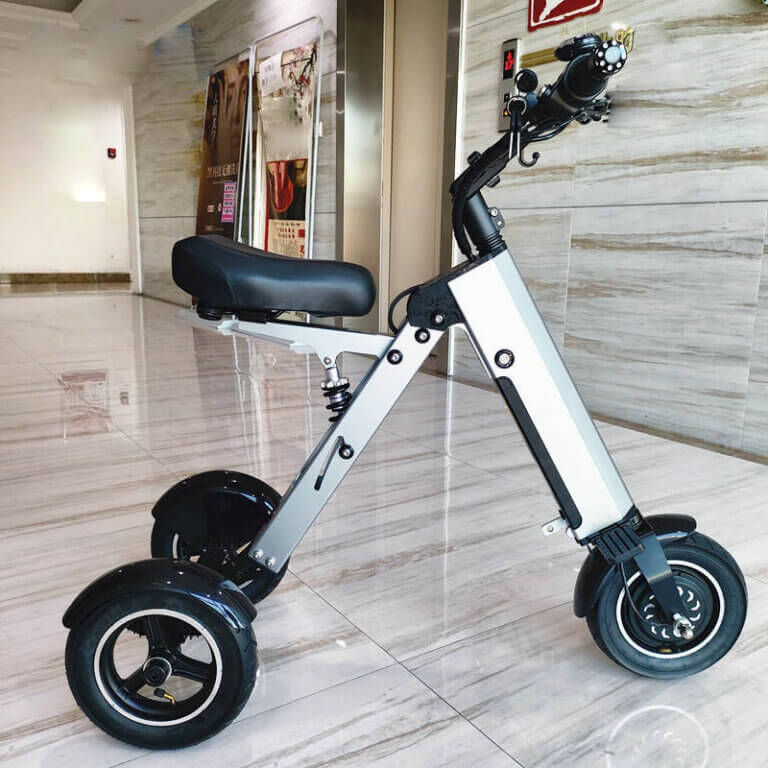
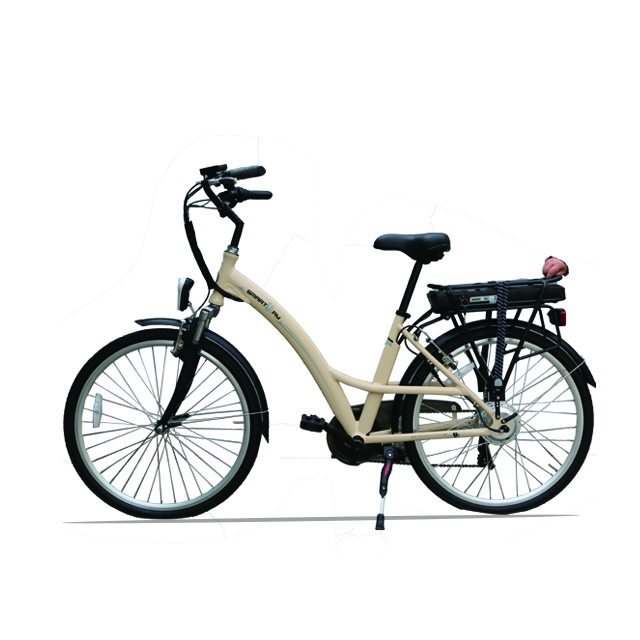
EZBKE positions its Electric Motorcycle line as industrial-grade and built for OEM/ODM, bulk, and fleet deployment—plus details like waterproof frames and UL-linked battery positioning (their wording), with global logistics.
Also, our site voice already uses Urban M as a practical style idea (clean routing, sturdy stands, sensible tuning). That’s good. It reads like someone who’s actually shipped units, not just posted renders.
SKU-to-scenario table (EZBKE Electric Motorcycle)
| Model (real SKU) | Motor | Max speed | Range per charge | Battery | Best-fit scenarios (real use) | Source |
|---|---|---|---|---|---|---|
| S3 best adult electric scooter moped fast manufacturer oem | 2000W | 45 km/h | 75–150 km | 60V 24–26Ah removable lithium | city delivery fleets, rental loops, campus patrol, “no drama” commuter runs | |
| S4 best adult commuter electric moped scooter wholesaler oem | 1.44 kW | 45 km/h | 75–150 km | 48V 26Ah portable lithium | longer commuter routes, franchise delivery, wet-road cities | |
| S5 street legal electric motorcycle scooter for adults factory | 3000W | 45 km/h | 120–150 km | dual 60V 24–26Ah lithium | street-legal positioning, daily city spec, brand “window model” | |
| S5D all terrain electric motorcycle scooter manufacturer | 3000W | 45 km/h | 120–150 km | dual 60V 24–26Ah lithium | mixed surfaces, resort operations, suburban delivery with rough patches | |
| S6 chinese electric motorcycle scooter for heavy adults factory | 4.0 kW | 75 km/h | 60–120 km | 60V 31.5Ah portable lithium | heavy riders, hilly districts, bridge routes, faster ring-road commutes | |
| X1 moped electric scooter with seat for adults factory oem | 2000W | 45 km/h | 75–90 km | 60V 24–26Ah removable lithium | dense downtown, agile riding, paperwork-sensitive markets (EEC L1e-B) |
S3 best adult electric scooter moped fast manufacturer oem
If your pain point is fleet uptime, S3 fits because it’s compact and uses a removable battery format. Your ops team can stage charged packs and keep units rolling.
Small note: don’t oversell “top speed.” Sell turnaround time and parking ease. That’s what wins POs.
S5 street legal electric motorcycle scooter for adults factory
S5 is a clean pick when you need a “daily city spec” with street-legal positioning and a strong headline range. And yes, you can sprinkle Urban M touches—clean cable routing, sturdy stands, commuter lighting—so the ride feels more sorted.
S6 chinese electric motorcycle scooter for heavy adults factory
Some cities are secretly hill cities. Bridges, ramps, flyovers, windy roads. S6 answers that with higher top speed and stronger motor power. It’s the “stop guessing” option for heavier loads and steeper grades.
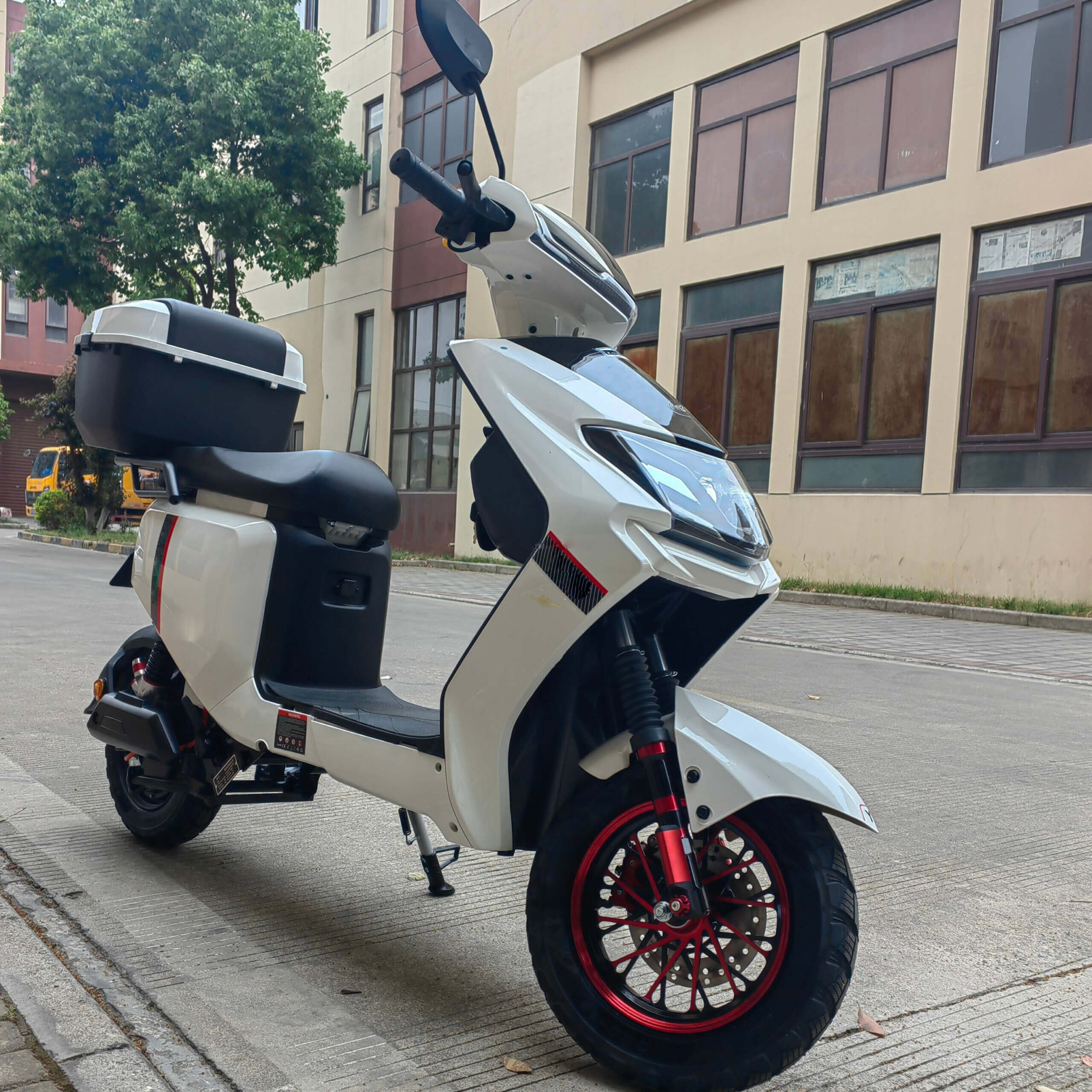
Real barriers (and how to talk about them without sounding salesy)
Electric motorcycles still hit real blockers:
- Range anxiety (real-world, not brochure): fix it by matching SKU to route length, not by shouting numbers.
- Charging time vs shift length: removable packs and swap workflows reduce downtime.
- Compliance + homologation: markets move at the speed of paperwork. Models that call out certification help calm the email thread.
- After-sales: if you can’t ship spares fast, your fleet will bleed uptime. (This part is boring, but it’s the whole game.)
Wrap-up: why “electric motorcycles in urban transport” keeps winning
Electric motorcycles work in cities because they reduce friction: parking, stop-and-go, short hops, and fleet staging. The global data shows the segment already leads electrification, and life-cycle research shows the emissions upside grows as electricity gets cleaner.
If you’re selling through EZBKE’s catalog, your best move is simple: pick SKUs by route + payload + compliance, then lock the spec for repeatability. Keep the marketing human. Keep the fleet online. Thats it.