


-
414 Block B, ZT Times Plaza, Wuhan, Hubei, China

Blog
Electric Motorcycle Trends In The EU Market
If you sell, rent, or run fleets in Europe, you already feel it: the old petrol moped story is fading, and electric two-wheelers are taking the parking slots.
But the picture isn’t just “everything going electric very fast”. It’s messy. Some markets grow, some stall, regulations bite, and fleet guys stress about uptime and TCO more than about paint color.
Below I’ll walk you through the key EU electric motorcycle trends, then plug them into real use cases and finally show where EZBKE / Urban M fits in that puzzle.
Electric Motorcycle Market Trends in the EU
Analysts don’t agree on the exact size, but they agree on the direction: up.
- TechSci estimates the Europe electric two-wheeler market at about USD 760+ million in 2024, heading toward USD 1.2+ billion by 2030, roughly 8%+ CAGR.
- Credence Research puts it in a similar band, from USD ~741 million in 2024 to ~USD 1.39 billion in 2032.
- A broader definition that counts more value chain layers sees EU electric two-wheelers around USD 24 billion in 2024, with electric motorcycles alone growing close to 20% per year.
At the same time, registrations are not a straight line. MotorcyclesData shows European electric scooter & motorcycle sales down 5% in 2024 vs 2023, and -2.5% year-to-date September 2025, after a boom between 2017–2022 mostly driven by Chinese brands.
So the big picture is: long-term growth, short-term correction. Inventory clean-up, subsidy changes, dealer self-registrations… all of that makes the graph a bit ugly in 2024–2025, but the structural demand is still there.
Key Electric Motorcycle Trends in the EU (Summary Table)
| Trend / Topic | Data point (EU) | What it really means on the street | Indicative source* |
|---|---|---|---|
| Market growth | Electric two-wheeler market ~USD 0.74–0.76B in 2024, forecast ~USD 1.2–1.4B by 2030–2032, ~8%+ CAGR | Not hype anymore. If you’re not planning an e-lineup now, you’ll chase competitors later. | TechSci, Credence Research |
| Wider value chain | Broader “electric two-wheeler” definition ≈ USD 24B in 2024, electric motorcycles growing nearly 20% annually | When you include services, parts, charging, software, it’s already a serious ecosystem, not a niche. | CSM Research |
| Short-term dip | 2024 ended -5% vs 2023; 2025 YTD Sept -2.5% in EV scooter & motorcycles | Market is digesting old stock. Buyers didn’t disappear; dealers just over-pushed units earlier. | MotorcyclesData |
| High-performance segment | “High performance” electric motorcycle market in Europe: ~USD 10.27B in 2025, forecast ~USD 20.64B by 2033, ~12%+ CAGR | Premium, sporty, urban e-motorbikes are moving fast. City riders don’t want “slow toys” anymore. | Market Research Intellect |
| Regulation pressure | Euro 5+ adds long-life emissions testing (35,000 km) + advanced OBD; cost per ICE bike goes up by several hundred euros | Petrol bikes get more complex and pricey. Electric two-wheelers sidestep a lot of that headache. | CSM Research |
| Urban policy | Low-Emission Zones, congestion charges, city bans on older ICE two-wheelers | E-mopeds keep access to city centers when old scooters get pushed out. Great for delivery and rental fleets. | CSM Research, EU city policies |
*Names only, no links, so your blog stays clean.
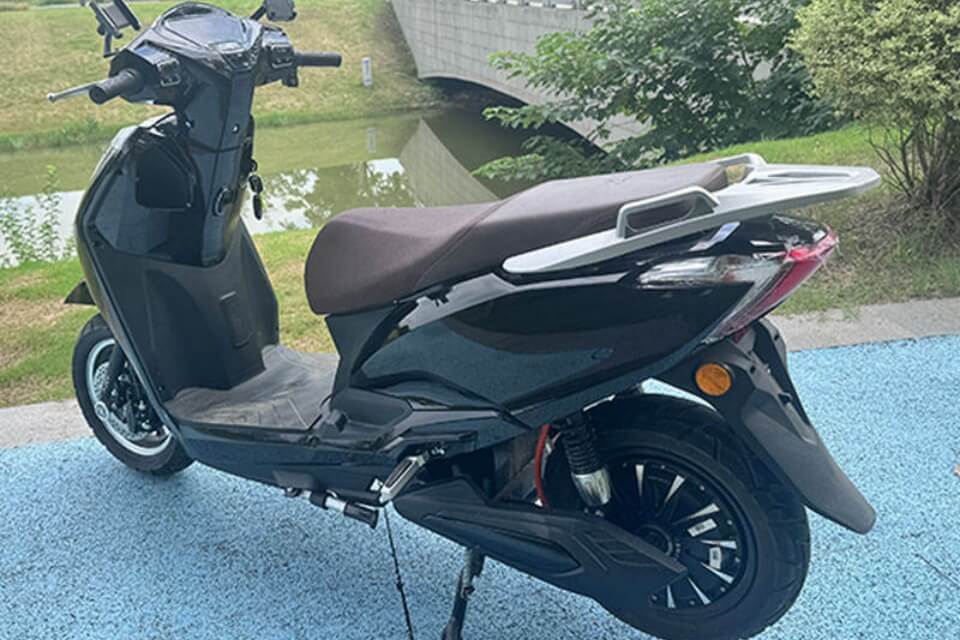
Euro 5+ Regulations and Urban Low Emission Zones for Electric Motorcycles
Regulation is doing half of the sales work for you.
Euro 5+ motorcycle emissions and electric two-wheelers
From January 2025, Euro 5+ forces ICE motorcycles to prove they stay clean over 35,000 km, with onboard diagnostics that keep watching the catalytic converter.
For manufacturers this means: more sensors, more engineering, more tests, more homologation time. Analysts say it adds hundreds of euros to the cost of a typical mid-size petrol bike, and some brands are already killing low-volume models that can’t justify the investment.
For you as a buyer or fleet operator, that translates into:
- Higher upfront price for ICE models
- More complexity when you want to keep a mixed fleet compliant
- Uncertainty: “Will this model even be sold here in 3 years?”
A well-spec’d electric L1e-B / L3e unit just skips most of this drama. You still have homologation and safety rules of course, but no after-treatment system that must survive 35,000 km of real-world abuse.
EU low emission zones and city access for e-motorbikes
Major cities keep tightening access:
- Low-Emission Zones in places like Paris, London, Milan target older combustion engines first.
- Congestion pricing and parking rules quietly reward zero-emission two-wheelers.
This is why delivery startups, q-commerce players, and even traditional dealers ask the same thing:
“Can I still send this bike into the city center in 5 years without re-doing the whole fleet spec?”
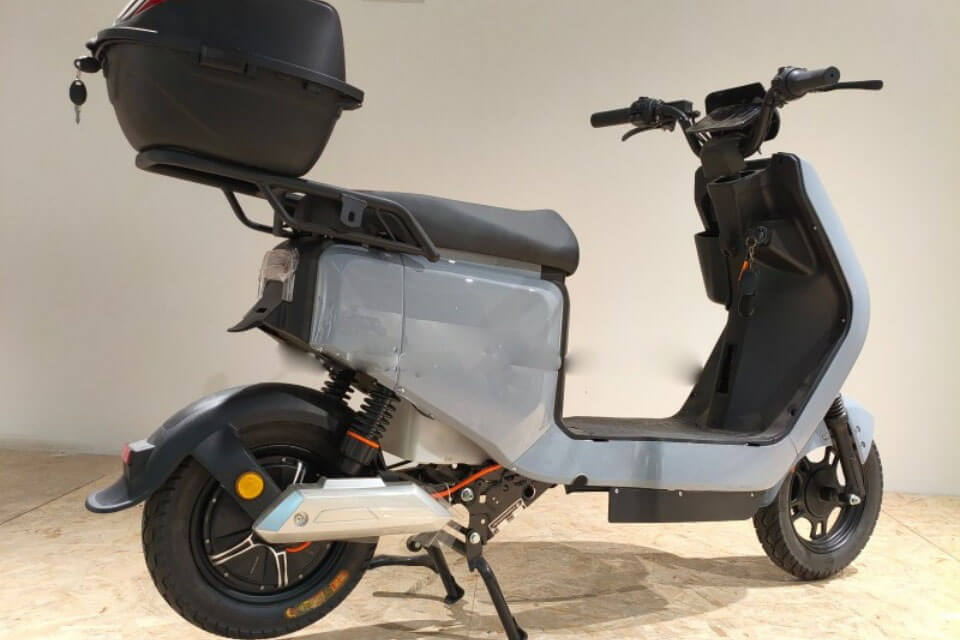
Here electric mopeds shine. A model like the X1 urban electric motorcycle with EEC 168/2013 L1e-B approval is built exactly for that environment: 45 km/h top speed, compact chassis, removable Samsung battery, dual disc brakes, and 150 kg load capacity.
You roll through traffic, stay compliant, and don’t lose time fighting new rules every year.
Electric Motorcycle Use Cases in European Cities
Let’s bring it down to daily life. You don’t buy “CAGR 8.34%”. You buy use cases.
Electric delivery scooter and moped fleets in Europe
Think food delivery, groceries within 15 minutes, pharmacy runs, postal fleets. The pain points are similar everywhere:
- Riders beat the bike all day long.
- You need max uptime, not workshop selfies.
- If charging or swapping is messy, operations team complain non-stop.
Here you want city-speed, long-range, low-maintenance packages. For example:
- S3 adult electric moped – 45 km/h Bosch 2000W motor, 75–150 km range, ≤1.8 kWh/100 km, ~12° hill climbing, removable 60V24-26Ah Samsung battery with ~800 cycles.
- S4 commuter moped – 1.44 kW Bosch motor, 48V26Ah pack with 75–150 km range, dual disc brakes, tubeless 10″ tires, built for rain and tight streets.
In fleet language, that means:
- One charge covers a whole shift for most riders.
- Tubeless tires and Bosch hubs cut unplanned downtime.
- Swappable battery means you solve “range anxiety” with a 10-second pit stop in the warehouse.
For a last-mile operator, this is classic TCO talk: more drops per shift, less time at the workshop, easier PDI, happier riders. You don’t even need a full DC fast-charging infrastructure; a simple charging corner in the depot is ok.
Commuter electric motorbike for adults in EU cities
Then you have personal commuters and “prosumer” riders: office workers, freelancers, maybe a small shop owner doing mixed use (home-office-warehouse).
Their ask is different:
- Looks decent, not like a toy.
- Enough punch for ring roads.
- Legal for EU streets, not stuck in some gray area.
Here S5, S6, X1 and the broader Urban M line make sense:
- S5 street-legal electric motorcycle – up to 150 km range, hill-ready power, tubeless tires, 800-cycle battery, plug-and-play charging. Built as a legal, everyday commuter platform.
- S6 electric motorcycle for heavier adults – 4.0 kW Bosch motor, 75 km/h max speed, 60–120 km range, CBS brakes, 15° hill climbing; ideal for hilly suburbs and riders who don’t want a “tiny” bike.
- X1 urban electric motorcycle – 45 km/h, 75–90 km range, L1e-B EEC approval, 2,000W Bosch motor, dual discs, 150 kg load, 1410 mm wheelbase. Great for shared fleets or riders who live inside 30–50 km daily loop.
These are the people who say things like “I just want something I can park, plug, and forget.” They don’t wanna babysit carbs, oil, and noisy exhausts anymore.
You give them a clean Urban M-badged machine that charges overnight and quietly eats morning traffic. That’s the whole value prop in one sentence.
Challenges for Electric Motorcycle Adoption in the EU Market
It’s not all sunshine.
- Upfront price – Electric models still cost more upfront than many entry-level petrol scooters, especially where subsidies are weak.
- Charging gaps – Big cities are ok, but secondary towns and rural areas still lack good charging coverage. Riders with no private parking feel this pain.
- Range & charging time for touring – For long-distance leisure, many riders still prefer ICE because they don’t want to plan stops around chargers.
- Brand trust – European buyers know Japanese and EU badges. Chinese brands need to show real reliability, not just specs.
This is exactly where manufacturing quality, homologation, and after-sales support matter more than one flashy spec sheet.
How EZBKE Urban M Electric Motorcycle OEM/ODM Fits EU Market Trends
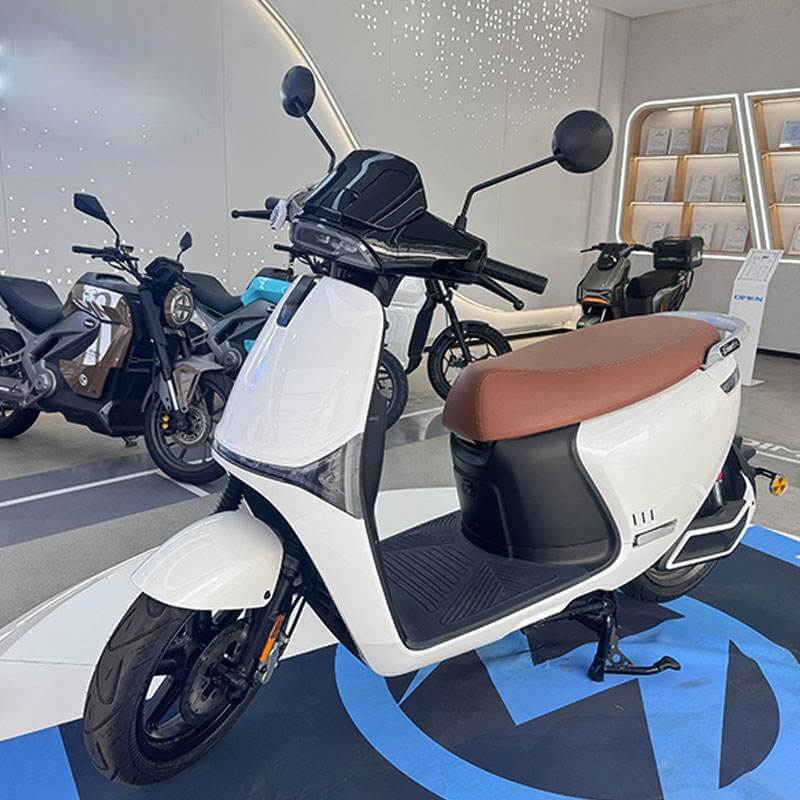
Our site positions EZBKE as a 15-year electric scooter and bike plant, doing OEM/ODM, bulk wholesale, custom builds, with IATF-certified 100K+ annual capacity and support for -15°C sodium batteries and IoT features.
In EU terms, that checks a few key boxes:
- Industrial-grade, not hobby stuff
- Waterproof frames, UL-style battery safety, long-cycle packs.
- For fleets, that reduces warranty noise and keeps uptime high.
- Homologation-friendly platforms
- X1 already comes with L1e-B EEC 168/2013 approval, which is exactly what EU regulators need for 45 km/h moped-class vehicles.
- S-series chassis and battery layouts are designed so local partners can handle type approval work more smoothly.
- Flexible use-case coverage
- S3 / S4: dense urban delivery and sharing fleets.
- S5 / X1: street-legal commuter and rental fleets that live inside cities.
- S6: heavier riders, longer daily loops, or customers who want a bit more punch.
- S5D: with all-terrain focus, it maps nicely to “adventure-style” and mixed-surface roads that are trending in Europe.
- Business-side value
- Bulk pricing, low MOQs, and technical customization let distributors build their own branded Urban M line without building a factory.
- OEM/ODM services mean you can tweak battery spec, telematics, racks, or colors around your own last-mile or rental model, instead of forcing your operations into a generic bike.
If you’re an EU buyer reading a blog article titled “Electric Motorcycle Trends In The EU Market”, you don’t just want pretty charts. You want to know:
“Is there a supplier who already speaks fleet language, understands Euro 5+ pressure, and can give me plug-ready e-motorbikes that match my scenario?”
That’s exactly where EZBKE’s Urban M electric motorcycle range can sit: between strict EU rules on one side, and real-world riders and logistics teams on the other side, giving you hardware that actually works in daily European streets, not only in a PowerPoint slide.
(And yeah, if your ops team still worry about range, just hand them an S3 or S5 demo bike for one week. They usually come back with a grin, not a complaint.)