


-
414 Block B, ZT Times Plaza, Wuhan, Hubei, China

Blog
Electric Motorcycle Charging Infrastructure: Retail Challenges
Retail EV charging in parking lots
Retailers like chargers for one simple reason: they can pull people onto the property and keep them there. A Reuters write-up of a Consumer Reports study says chargers can lift foot traffic and revenue on average, but charging availability across big retail categories is still thin.
Here’s the twist for electric motorcycles: riders don’t always “park-and-wait” like a car driver. A lot of them want quick turnaround (delivery riders) or they’d rather pop the battery out and charge elsewhere. That means retailers need a setup that fits two-wheel habits, not car habits.
Permitting and zoning guidance for EV charger deployment
If you’ve done any infrastructure deal, you already know the villain: the permit counter.
A major EV charging planning guide (IREC/SEAC/RMI) says the median permitting timeframe can run well over 2 months (51 business days), and it highlights that some projects get stuck far longer.
Stanford also points out how wildly this varies by city—one dataset they cite ranges from 3 days to 93 days across California cities.
For retail decision-makers, this creates a basic “why bother?” moment. For electric motorcycles, you can often bypass part of the drama by starting with standard-outlet charging + removable packs (less utility work, lighter permitting in many places, depending on jurisdiction).
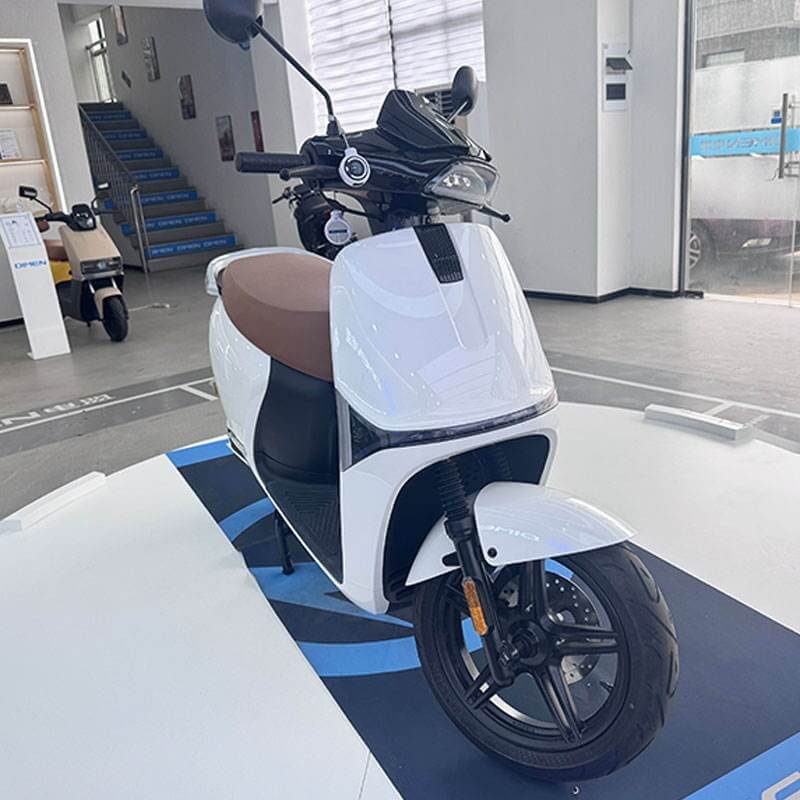
Reliability and EV charging station uptime
Retail isn’t forgiving. If a charger is broken, customers don’t say, “ah, understandable.” They say, “this store is a mess.”
NREL summarizes multiple studies and surveys showing charger operability issues are common, and drivers report broken/nonfunctional stations as a top complaint.
A ChargerHelp study reported by The Verge claims actual uptime can be materially lower than what networks self-report, and it lists very retail-looking failures: damaged cables, payment screens, broken connectors.
For electric motorcycles, reliability still matters, but the “charger” can be simpler: think battery lockers, swappable packs, or controlled indoor charging bays with clear SOPs. Less fancy, fewer moving parts, less stuff to break.
Third-party owner-operator EV charging business models for retailers
Retailers usually don’t want to become mini-utilities. A C2ES retailer-focused brief describes a model where a third-party owner-operator takes on utility coordination, operations, and ongoing maintenance.
That’s a clean play for car charging. For electric motorcycles, there’s an extra option: you can structure it like fleet ops, where the “infrastructure” is mostly batteries + swap workflow + inventory control, not just posts in the ground.
Lithium-ion battery safety standards for light electric vehicle battery packs
If you bring charging indoors (or even close to storefronts), safety becomes the loudest topic in the room.
UL 2271 defines safety requirements for battery packs and energy storage assemblies used in light electric vehicles (LEVs), i.e., the exact universe electric motorcycles and mopeds sit in.
Retailers like standards because it gives them something to point at when they talk to landlords, insurers, and fire prevention folks.
Key arguments from the “retail challenges” research
| Challenge keyword | What retailers worry about (real talk) | What it means for electric motorcycles | Source |
|---|---|---|---|
| Retail EV charger availability | “Everyone asks for chargers, but only a few stores actually have them.” | Motorcycle-first setups can start smaller (outlets + removable packs) and still look legit. | Reuters on CR study |
| Foot traffic and revenue lift | “If chargers don’t move sales, why do it?” | Tie charging to delivery partnerships + repeat visits (swap credits, fleet SLAs). | Reuters on CR study |
| Permitting timeframes (AHJ friction) | “Permits drag. Timelines slip. Everyone gets mad.” | Start with lower-complexity installs; expand later when utilization proves out. | IREC/SEAC/RMI guidance |
| Permitting variability | “One city is easy, next city is pain.” | Build a rollout template by city tier; don’t copy/paste blindly. | Stanford SIEPR brief |
| Uptime / O&M | “Broken chargers make us look dumb.” | Simpler hardware (battery handling workflows) can reduce failure points. | NREL reliability report; The Verge on ChargerHelp |
| Owner-operator model | “We don’t want to babysit equipment.” | Use third-party ops for car posts; use fleet-style ops for two-wheel charging/swap. | C2ES retailer brief |
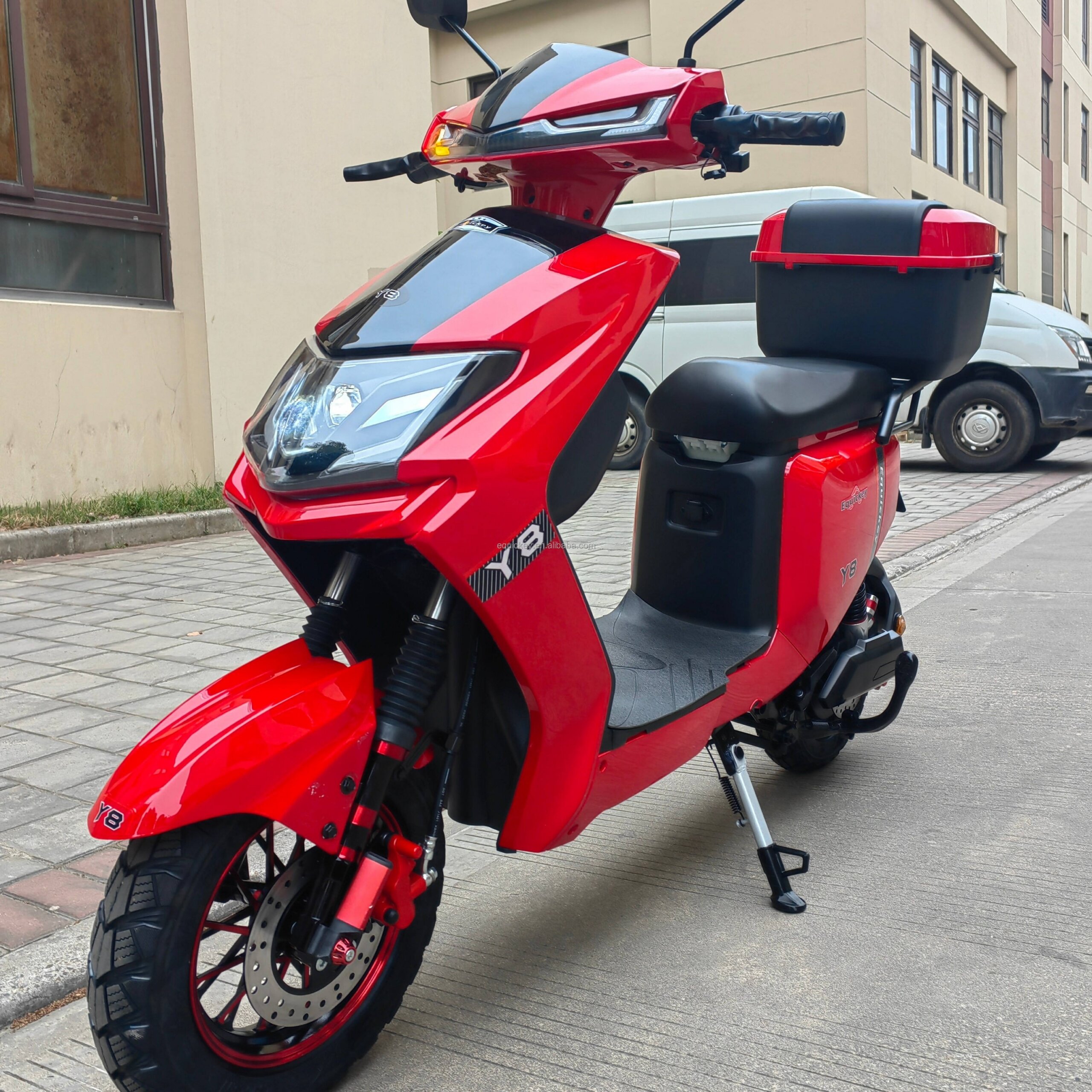
EZBKE electric motorcycle lineup
Our site positions we as a long-running manufacturer (“15Y electric scooter manufacturer Plant”) with wholesale supply.
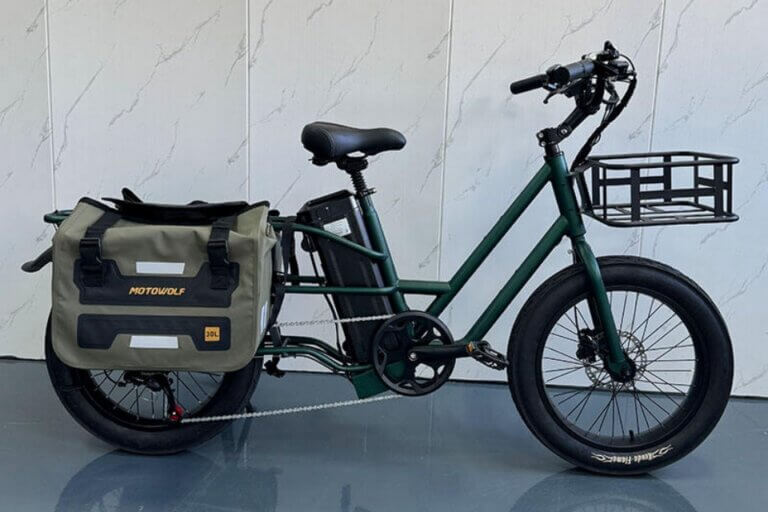
More important for this topic: several of your models already match what retail needs—standard voltage input, short-ish charge time, and removable/portable batteries.
Removable battery and standard outlet charging
| Model | Battery & charging detail | Why it helps in retail charging scenarios | Source |
|---|---|---|---|
| S3 | Removable Samsung lithium battery; full charge in ~4 hours (110V/220V) | Easy “backroom charging” or battery room workflow (with rules). | |
| S4 | Portable lithium battery; charge in 6–8 hours; range listed up to 75–150 km | Fleet can rotate packs; retailers can offer slower charging where dwell time is longer. | |
| S5 | “Plug-&-Play Charging – No special infrastructure needed”; ~4-hour charge on standard outlets | Strong pitch for small retailers: start without heavy construction. | |
| S5D | Listed charging time ~4 hours; dual-battery configuration | Good for delivery routes; fewer mid-day charging stops. | |
| S6 | Portable 60V battery; range listed 60–120 km | Portable pack supports “charge where you store” setups. | |
| X1 | Removable Samsung-cell pack; ~4-hour charging; EEC L1e-B approval listed | Helps wholesalers targeting markets that care about compliance docs. |
Practical retail scenes that actually work
Urban delivery fleet charging scenario
Picture a mid-size grocery store that already has delivery riders hanging around. Instead of jumping straight to expensive car-style posts, they set up:
- a battery check-in shelf
- a locked charging cabinet (controlled access)
- a simple SLA with the fleet operator: “charged packs ready by X time”
Now the retailer gets repeat visits and predictable behavior. The fleet gets uptime. Nobody fights over parking stalls. It’s not perfect, but it’s workable.
This is where you can naturally pitch Urban M as a packaged “urban mobility ops” program: bikes + spare packs + basic charging SOP + parts supply. Not fancy, just steady.
Mall / mixed-use “destination charging” scenario
Malls care about dwell time, but motorcycles may not sit long. So you push a hybrid offer:
- parking + lockers for removable packs
- optional slow charging (fine for people who shop longer)
- a “don’t block the aisle” policy that security can enforce without drama
Standards-backed battery safety expectations (LEV battery standards like UL 2271) help these conversations go smoother with property management.
My take: the retail path is real, but motorcycles need a different playbook
Retail charging is growing because it can support adoption and store performance. But retailers also face real blockers: permitting delays, huge variability by city, and painful uptime gaps.
So if you’re selling electric motorcycles wholesale, don’t pitch this like car charging. Pitch it like ops:
- removable packs (less infrastructure friction)
- simple power requirements (standard outlets where allowed)
- a tight service loop (spare parts + clear warranty rules)
- a rollout plan that respects AHJ realities (because permits are a dice roll)