


-
414 Block B, ZT Times Plaza, Wuhan, Hubei, China

Blog
Electric Kick Scooter B2B and local distributors
Here’s the core idea: local distributors don’t buy “a scooter.” They buy a low-drama business line—margin they can defend, fewer RMAs, clean compliance docs, and models that match real buyer personas (commuters, delivery, rental, heavy riders, performance).Our site already speaks this language with OEM/ODM, “dealers served,” and distributor-ready positioning.
Local distributors and dealer network
Distributors act like your “risk filter.” They’ll ask stuff like:
- Will I get undercut online? (channel conflict)
- Will this line actually move? (sell-through, not just sell-in)
- Who eats the after-sales mess? (RMA loop, spare parts, warranty labor)
- Will customs or marketplaces block it? (certs + battery paperwork)
Our homepage literally positions you for this: “Become… distributor” + standardized battery/motor interface, plus OEM/ODM + export experience.
MAP pricing and channel protection
Minimum Advertised Price (MAP) policy
A MAP policy basically says: retailers can sell at any final price, but they can’t advertise below your minimum (depending on the country and how you implement it). That’s why distributors like it—less price war, less “showroom then buy online cheaper” pain.
What distributors want to hear
- “We enforce channel rules consistently.”
- “We won’t dump stock and torch your territory.”
- “We’ll support in-store dealers with assets and parts.”
Say it simple: “We protect your margin stack. We don’t race to the bottom.” (Yeah, that sounds like shop talk—because it is.)
MOQ and bulk orders
Distributors hate getting stuck with dead stock, so they push for safe onboarding: smaller first PO, faster replenishment once velocity looks good.
Our site already signals competitive MOQs, “scale with batches,” and factory cadence. Keep it practical when you pitch: starter batch → prove sell-through → expand SKUs.
OEM/ODM Customization
This is where you can win, because local distributors love differentiation. They want a line that doesn’t look like every other catalog unit.
Our site calls out Versatile OEM/ODM Customization and an R&D team that works with clients to build unique products.
Urbanm G1 also supports custom branding/colors for wholesale orders—that’s a clean talking point for dealer exclusives.
Practical angle (what they care about):
- logo/paint + packaging
- spec tuning for local rules (speed caps, lights)
- “house brand” build for chain stores
After-sales support and spare parts
Distributors don’t fear “a few returns.” They fear messy, slow, unclear returns.
Our site leans hard into “account support” and after-sales assistance. Use that, but translate it into a simple system:
A distributor-friendly RMA loop (plain English):
- Dealer sends short video + serial number
- You confirm: parts swap vs unit swap
- You ship parts kit with clear install steps
- You track failure codes (so next batch improves)
If you can keep spare parts SKUs ready (brake pads, tires, throttles, controllers, chargers), distributors relax. They sleep better. I mean, kinda.
Certifications: CE, FCC, RoHS, UL 2272, EN 17128, UN 38.3
This part closes deals, because it reduces “customs roulette.”
CE marking, EMC Directive 2014/30/EU
For EU sales, CE marking ties into applicable EU rules (often including EMC for electrical/electronic equipment).
RoHS Directive
RoHS restricts hazardous substances in electrical/electronic equipment. EU Commission pages explain this clearly.
FCC equipment authorization
If your scooters have electronics that fall under FCC rules (common with chargers, controllers, wireless modules), FCC explains that RF devices must be authorized before marketing/import/use in the U.S.
Your M365 page lists FCC as a certification, so you can talk compliance without sounding fake.
UL 2272
UL notes UL 2272 covers electrical systems for personal e-mobility devices (including e-scooters) and is used in some U.S. requirements (example: NYC rules cited by UL service page).
Even if a distributor doesn’t ask for it on day one, they will when a retailer does.
EN 17128 (PLEV)
BSI describes EN 17128 as requirements/test methods for personal light electric vehicles to reduce injury risk.
Your homepage mentions EN 17128 in the compliance list, so it’s consistent.
UN 38.3 test summary
For lithium batteries, PHMSA explains UN 38.3 testing and the concept of test summaries. This is big for shipping and customs paperwork.
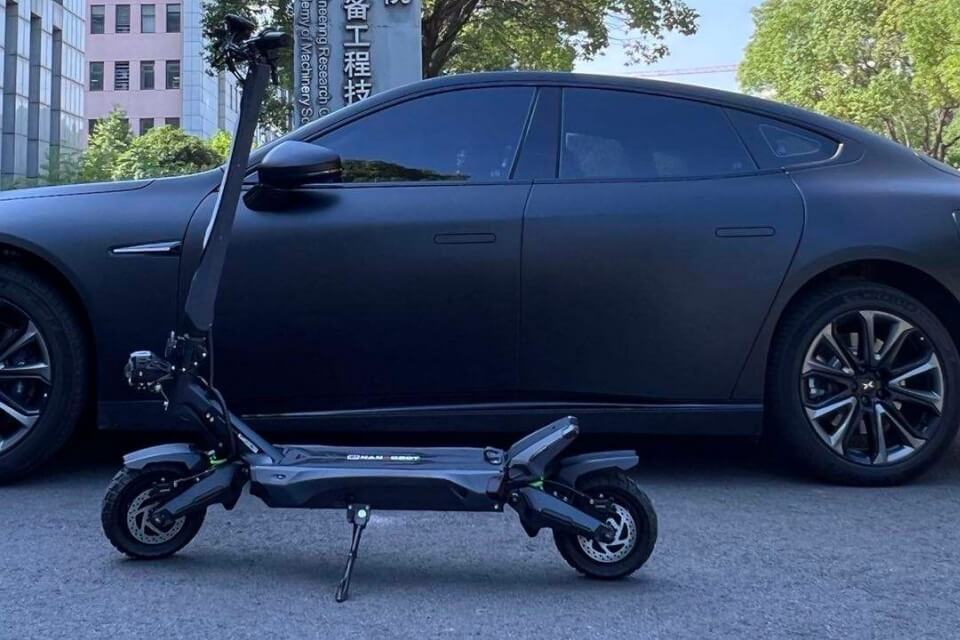
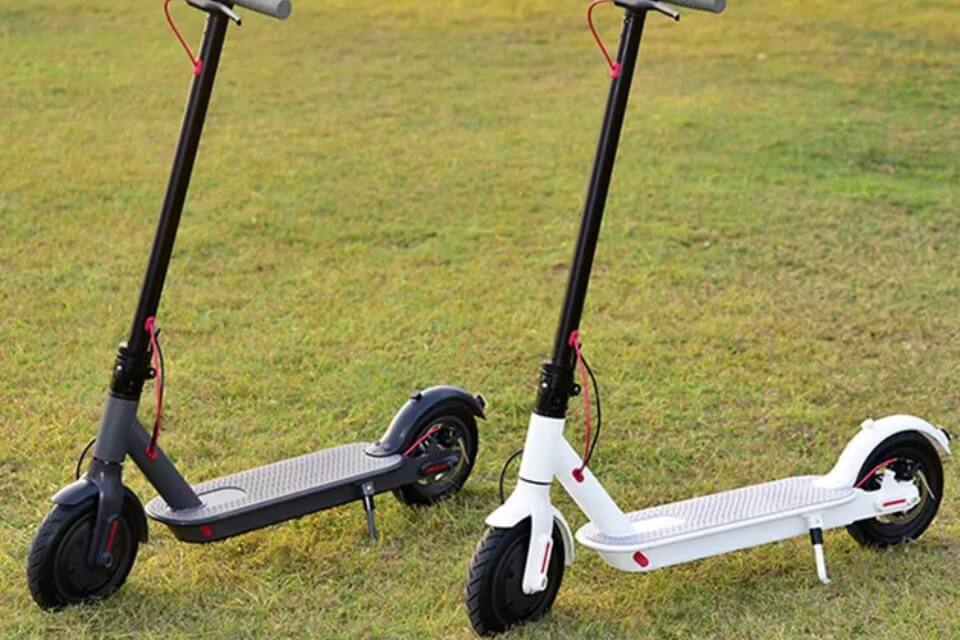
Electric Kick Scooter product lineup fit
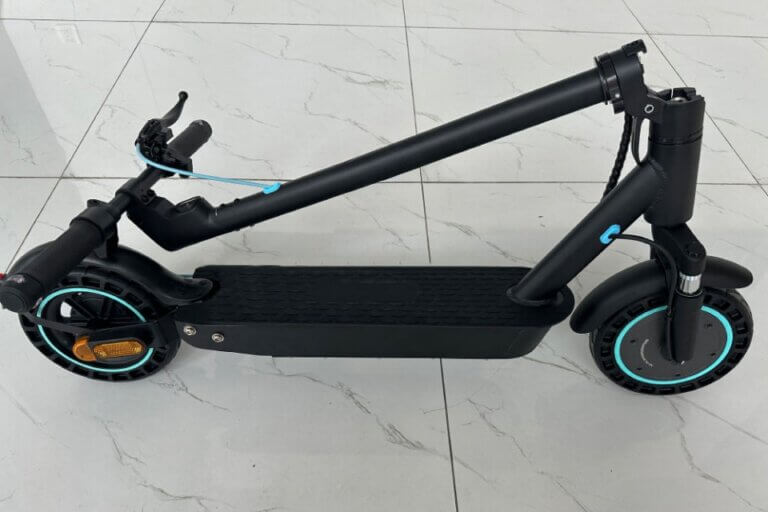
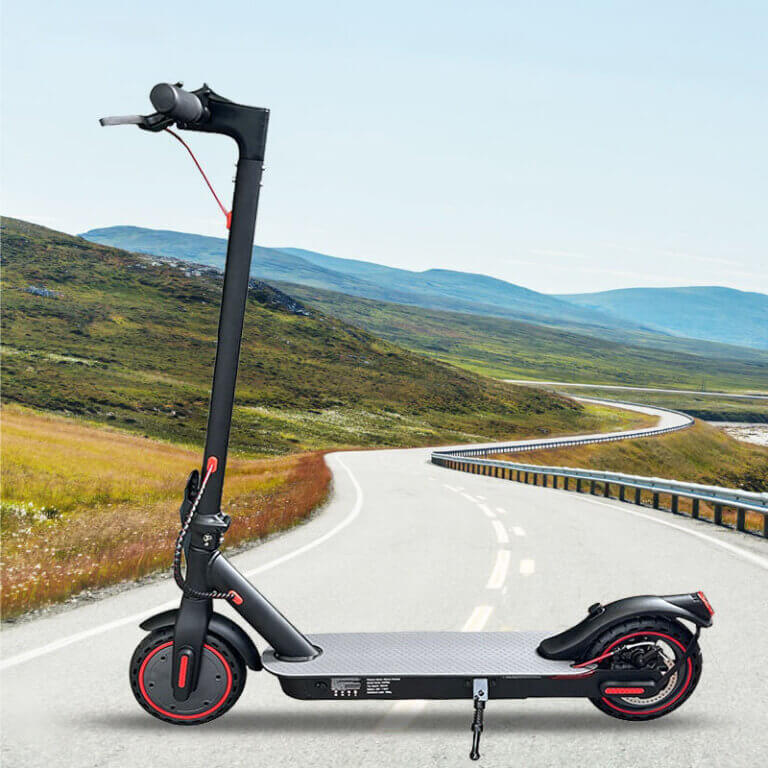
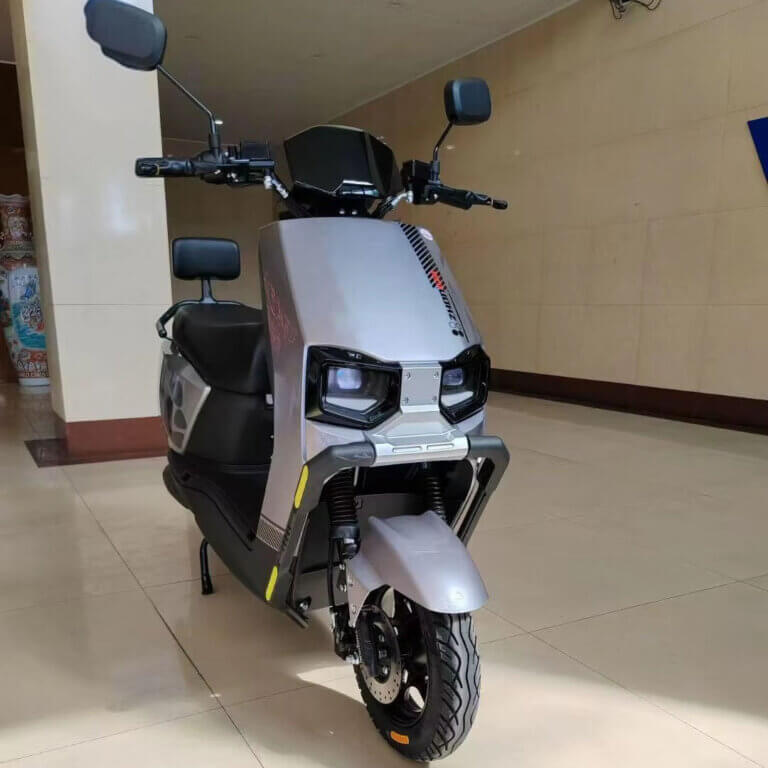
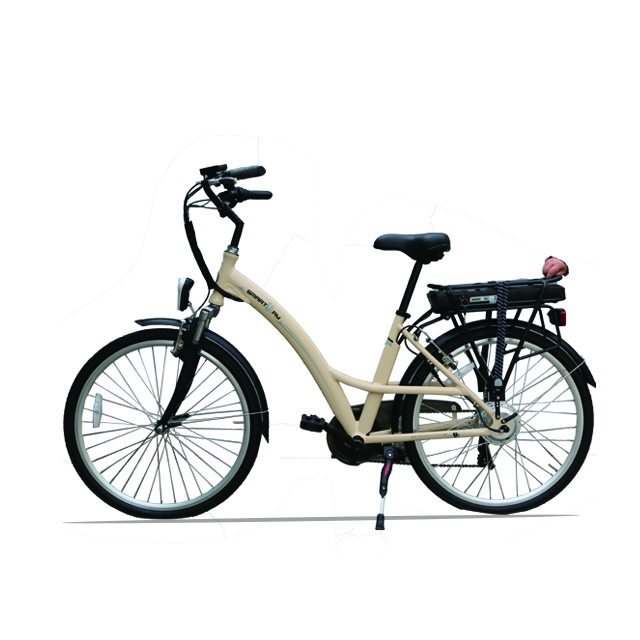
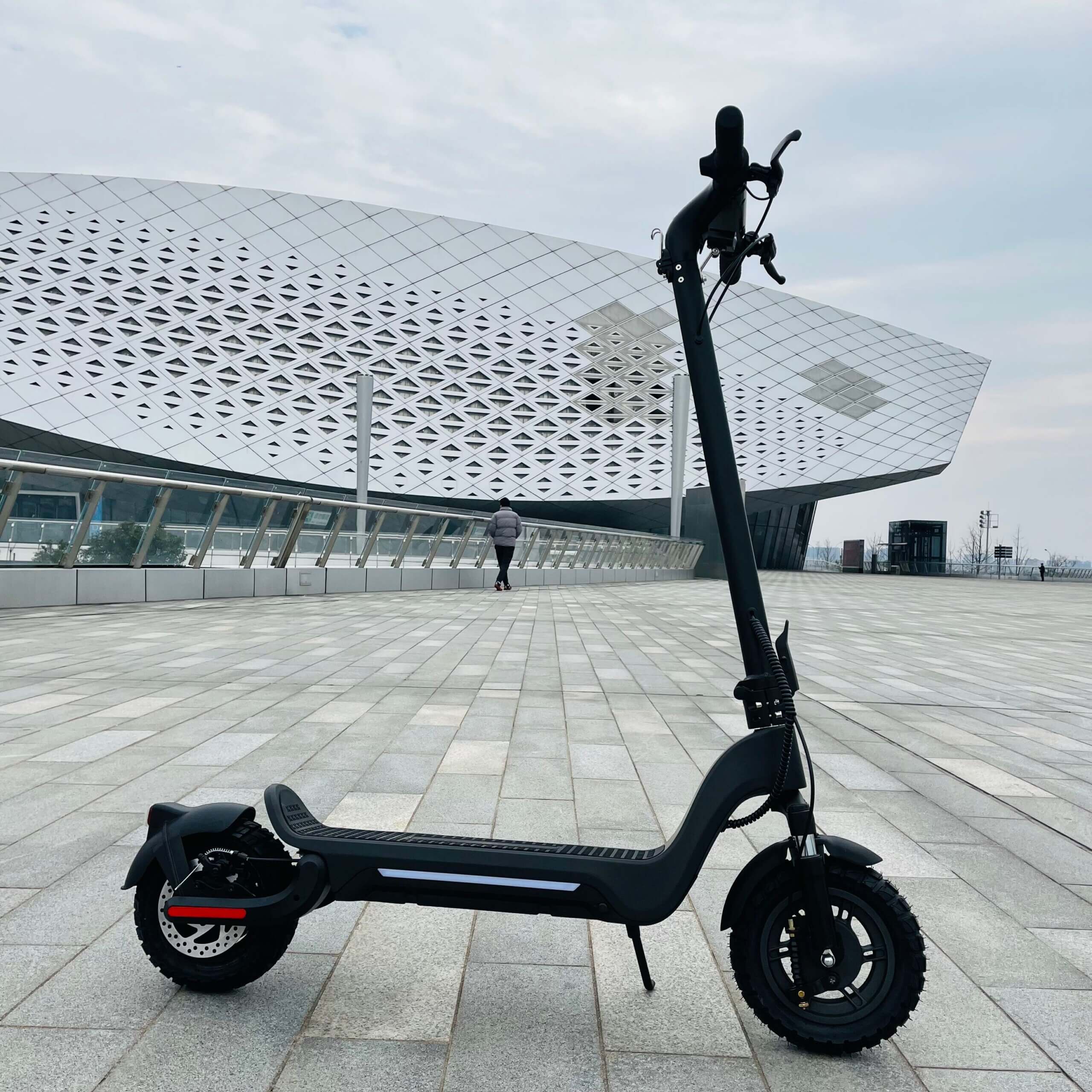
Below is a dealer-friendly way to position models by scenario (commuting, rental, heavy rider, performance). All specs come from our product pages.
| Model keyword | Best-fit scenario (use-case) | Specs distributors can sell fast | Source |
|---|---|---|---|
| 4000W Dual Motor Electric Kick Scooter with 100km Range | Performance shops, fleet demos, premium buyers | up to 75 km/h, up to 100 km, dual hydraulic disc brake, motorcycle-class suspension, swappable battery | |
| GS1/GS1-Pro electric scooter for heavy adults 400lbs factory | “One scooter for most people” retail, delivery fleets | 350W/500W, up to 30 km/h, 30–50 km range, E-ABS + drum brake, suspension, NFC (Pro) | |
| H0/H0 Pro best electric scooter foldable for heavy adults factory odm | Entry retail + campus runs | 250W/350W, 8–18 km range, electronic + foot brake, magnesium alloy frame | |
| H1 foldable electric scooter for adults for commuting factory | Corporate fleet, short-trip commuting | 150W, 15–20 km range, 25 km/h, 8 kg net weight, 2–4h charge | |
| M365 lightweight fast electric scooter for adults 20 mph factory | Fast-moving commuting SKU | 350W, 15/20/30 km range options, 25–30 km/h, CE/FCC/ROHS listed | |
| Urbanm G1 electric scooter foldable 40 mph manufacturer | Urban M line for commuter + delivery + rental | 500W, 40–60 km range, 38 km/h max, foldable, solid tires, CE listed, 150 kg load | |
| X3 long range electric folding scooter for adults wholesaler | Practical commuter + light fleet | 350W, 25–40 km range, EABS + disc brake, 10-inch pneumatic tires, USB port |
And your category page gives you a clean “umbrella” pitch: IP54-rated durability, UL-certified batteries, wholesale pricing, custom branding/OEM/ODM.
B2B Customer, quote request, and onboarding
A lot of B2B distributor sites run the same workflow: apply → get approved → request a quote → buy at distributor pricing. Ride + Glide describes a version of this “quote request” process pretty directly.
So don’t overcomplicate your pitch deck. Distributors want:
- a tight line card (models + positioning)
- clear MOQ + lead time expectations
- a real warranty + parts policy
- compliance doc list (CE/EMC/RoHS/FCC/UN38.3 etc)
Key arguments summary (with sources)
| Argument keyword (H3-ready) | What it proves to distributors | “How you deliver it” on EZBKE | Source |
|---|---|---|---|
| MAP pricing | Reduces price war + channel conflict | Set dealer rules + protect territory | |
| OEM/ODM | Differentiation, fewer “same-same” SKUs | Branding/colors/spec tuning | |
| After-sales support | Lower RMA pain | Account support + parts workflow | |
| CE / EMC Directive / RoHS | Fewer customs blocks in EU | CE-ready positioning + material compliance | |
| FCC equipment authorization | U.S. market readiness | Models listing FCC in specs | |
| UL 2272 | Battery/fire-risk confidence in some markets | “UL-certified batteries” messaging + UL framework | |
| EN 17128 | Safety requirements language for EU buyers | Your site references EN 17128 | |
| UN 38.3 test summary | Smoother battery shipping paperwork | Battery compliance doc package |
Final take
If you want local distributors to say “yes,” you can’t just sell scooters. You sell a repeatable channel plan:
- protect margin (MAP-style discipline)
- reduce operational headaches (parts + RMA loop)
- de-risk compliance (CE/EMC/RoHS/FCC + UL 2272 logic + UN 38.3 paperwork)
- give them a lineup that fits real demand (Urban M commuter + heavy rider + long-range + performance)
Do that, and the distributor pitch stops feeling like begging. It starts feeling like: “Here’s a line you can move, support, and scale… without drama.”