


-
414 Block B, ZT Times Plaza, Wuhan, Hubei, China

Blog
Electric Bike Battery Life: How to Extend It for Retail Customers
But, let me start with a scene I’ve seen too many times: new customer, shiny bike, sales rep promises “up to” range like it’s guaranteed, battery gets parked at 100% in a hot back room for twelve days, then everyone acts shocked when capacity drops and the service desk gets slammed with RMAs nobody budgeted for. It happens. And yeah, I frankly believe most “battery defects” are operational own-goals.
Here’s the ugly truth—retailers don’t lose battery margin in the lab, they lose it in daily habits: bad SOC routines, heat-soaked storage, random chargers, sloppy handovers, and that classic nonsense where riders run packs to flatline because someone told them it “trains the battery” (it doesn’t, and hasn’t for modern lithium systems in years). So what are we even doing?
From my experience, if you want better electric bike battery life, stop worshipping brochure range and start teaching watt-hours, depth-of-discharge, and charge timing like it’s part of your sales language, because it is. No fluff. Just process.
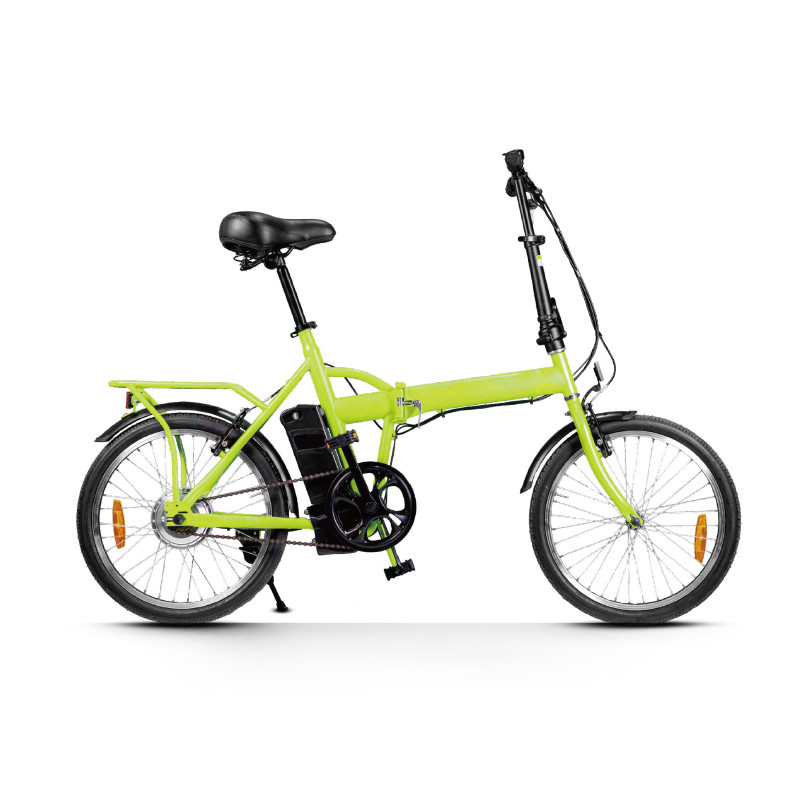
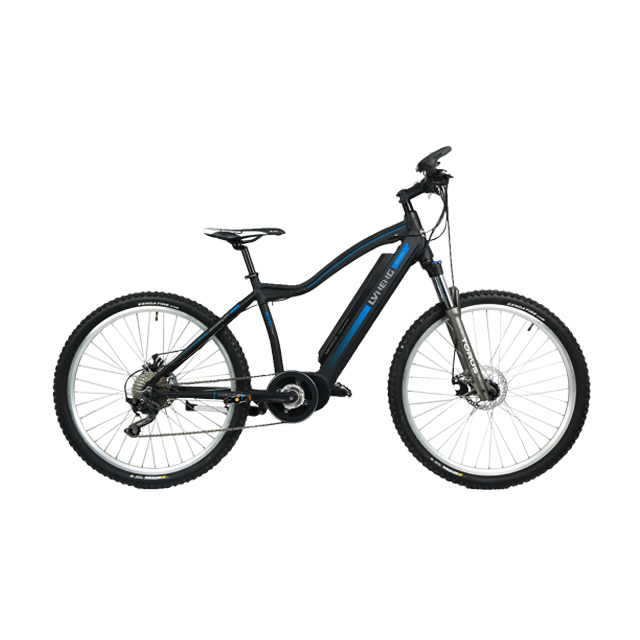
Your electric bike catalog for retailers already covers very different duty cycles, and that matters more than most teams admit, because a commuter setup, a cargo setup, and a heavier urban fleet profile do not stress cells the same way (different current spikes, different thermal profiles, different user abuse).
And yes, I still see teams skipping this math: 36V × 10Ah = 360Wh; 48V × 13Ah = 624Wh. Same rider, same roads, different stress story. Bigger usable energy generally means shallower DoD per trip, less heat, fewer “my range vanished” complaints, and better long-term lithium-ion e-bike battery longevity—assuming your BMS and charger discipline aren’t a mess.
Three retailer-side case snapshots worth studying
Yet people keep asking me for magic tricks. There aren’t any. There are only trade-offs—and a few SKU-level clues that smart retailers can actually use.
On the 350W cargo bike with dual battery and heavy-duty rack, listed config jumps from 13Ah (single) to 26Ah (dual), and stated range scales 50→100 km (throttle) and 80→160 km (PAS). That’s not “marketing sparkle”; that’s what reduced per-pack strain looks like when riders haul real loads instead of wishful payloads.
On the wholesale peak power 450W electric bike platform, you get 36V 13,000mAh and 48V 13,000mAh options—same Ah, very different total energy and rider expectation curve. If your floor staff can’t explain that in plain language, your post-sale inbox will explain it for them. Loudly.
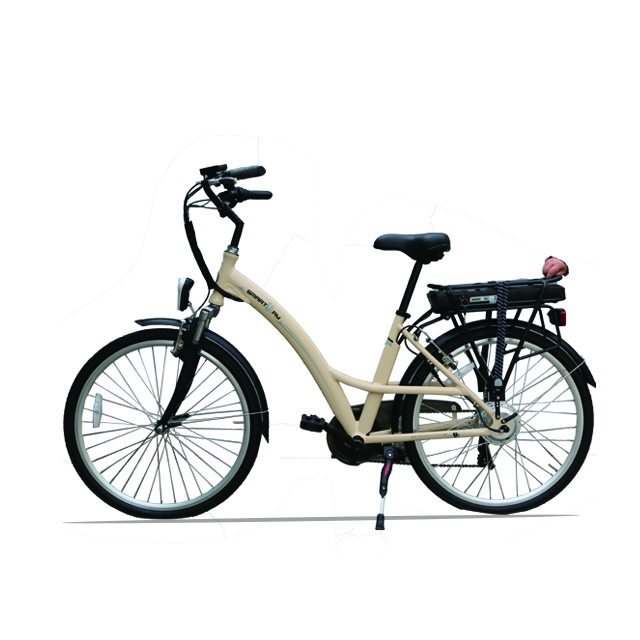
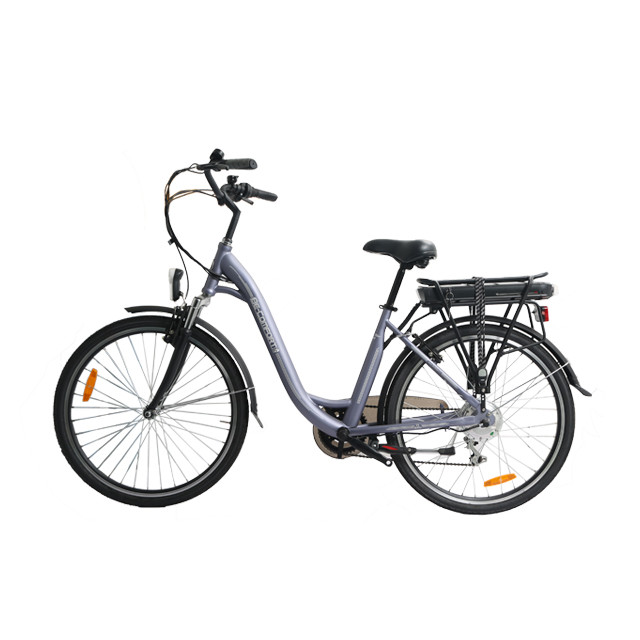
And on the C06 city e-bike spec page, the listed 36V 10Ah lithium pack, up to 70 km range, and 4–6 hour charge window screams one thing to me: don’t script “charge to 100 every night forever.” For many riders, controlled 80–90% daily charging is simply kinder to cells.
Also—this matters operationally—the site states 15 years in the sector, 50+ commercial clients, and 35-day agile delivery, plus customer stories around high-volume fulfillment. I treat those as directional process signals, not third-party certification (big difference).
How to charge an e-bike battery properly in retail reality
However, if your team asks me for the best ways to make an e-bike battery last longer, I don’t give a lecture. I hand over a checklist.
- Keep daily use around ~20% to 90% SOC when practical.
- Save 100% charge for days that actually need max range.
- Don’t plug in right after a hard ride—let pack temp settle first.
- Don’t park inventory at full charge for weeks; hold shelf stock near 40–60% SOC.
- Use matched chargers only, and inspect ports/cables during intake (charge-port slop kills packs quietly).
That’s it. Do this consistently and warranty bleed usually drops.
What reduces electric bike battery life fastest
Heat. High-voltage dwell. Deep discharge. Repeated current spikes. And no, chemistry labels don’t save sloppy behavior—NMC (LiNiMnCoO2) and LFP (LiFePO4) both degrade faster at bad extremes; they just fail differently and on different timelines.
So when people ask for electric bike battery maintenance tips, I say this: make your SOP boring, measurable, and repeatable. Not sexy. Profitable.
| Retail practice | Technical effect on cells | Typical bad habit it replaces | Field impact on battery life* |
|---|---|---|---|
| Daily SOC band (20–90%) | Reduces voltage stress at both extremes | Keep-at-100% nightly | +20% to +35% cycle retention |
| Cool storage (10–25°C) | Slows electrolyte breakdown | Hot storeroom parking | +15% to +30% |
| No immediate post-ride charging | Lowers thermal compounding | Fast plug-in while pack is hot | +10% to +20% |
| Educate “no regular 0% drain” | Avoids deep discharge strain | Repeated full depletion | +10% to +25% |
| Matched charger + connector checks | Stabilizes current/voltage behavior | Generic charger substitution | Fewer failure claims, steadier capacity |
*Practical retail estimates from field operations patterns; actual results vary by BMS logic, cell grade, payload, terrain, and rider behavior.
If your team wants more retailer-language content, the dealer-oriented blog library is where to build shared scripts and stop reinventing the wheel.
FAQs
What reduces electric bike battery life the fastest?
Electric bike battery life declines fastest when lithium-ion packs are repeatedly exposed to high heat, held near full 100% state-of-charge for long idle periods, or drained to very low voltage too often, because these conditions accelerate chemical aging, increase resistance, and reduce usable capacity over time. I’d remove long-term full-charge storage first—it’s the most common avoidable hit.
How to charge an e-bike battery properly for daily customers?
Proper daily charging means using the original matched charger, charging in a temperature-safe environment, avoiding routine full depletion, and typically stopping around 80–90% SOC for normal days, while reserving full 100% charges for long trips where maximum range is actually required that day. Charge discipline beats charger superstition—every time.
Does a dual-battery setup improve battery longevity?
Dual-battery configurations can extend practical service life by reducing per-pack depth-of-discharge and thermal load per ride, but only when packs are properly matched by voltage and chemistry, monitored by stable BMS logic, and rotated sensibly instead of being mixed carelessly across dissimilar wear states. Mismatched packs are trouble (cell drift, uneven stress, ugly diagnostics).
What is electric bike battery care for retail customers in one policy?
Electric bike battery care for retail customers is a standardized operating policy that combines SOC guidance, storage-temperature limits, charger matching rules, periodic connector checks, and rider handover education so battery health remains predictable, range claims stay realistic, and preventable misuse does not inflate warranty and service costs. Write it once, train it hard, audit monthly.
If you want this turned into a live store SOP plus handover script, start with your retail product lineup and send your current workflow through the contact channel. I’ll help you cut battery-related returns before peak season hits.