


-
414 Block B, ZT Times Plaza, Wuhan, Hubei, China

Blog
Educating Customers About e-Bike Safety
Key arguments (with sources you can quote)
| Argument (what you teach) | What problem it prevents | How you teach it in the real world | Source |
|---|---|---|---|
| UL 2849 / third-party certification for e-bike electrical systems | Fire risk + liability blowups from sketchy batteries/chargers | Put “certification first” in your sales script; make it a hard rule in purchasing | UL explains UL 2849 covers the e-bike electrical drivetrain + battery + charger combo |
| Don’t bring uncertified batteries into the shop | “One bad pack” can wreck your service bay safety rules | Service SOP: quick mechanical fixes only, or ask customer to take battery home | Retailer policy examples in Bicycle Retailer |
| Charge Safe / #ChargeSafe rules (awake, attended, correct charger, don’t block exits) | House fires start fast; customers charge in bedrooms/hallways | A 60-second “charging talk” at handover + a printed checklist | CPSC + NFCC + London Fire Brigade + UK GOV + FDNY |
| Pre-ride checks: brakes, lights, tires, cables, frame | Most accidents come from control issues + “I didn’t notice it was loose” | Make riders do a 30-second check before the first ride and weekly after | CPSC pre-ride checklist |
| Road-legal, compatible chargers/batteries, and refuse unsafe work | Stops “random charger + random battery” disasters | Copy the pledge logic: only compatible parts, documented instructions | UK “E-bike retailer safety pledge” |
| Workshops, community events, gamification (education that doesn’t feel like a lecture) | Customers forget rules unless you make it sticky | Monthly demo night; short reels; “earn a safety badge” style content | NBDA retailer engagement ideas |
UL 2849 and consensus safety standards
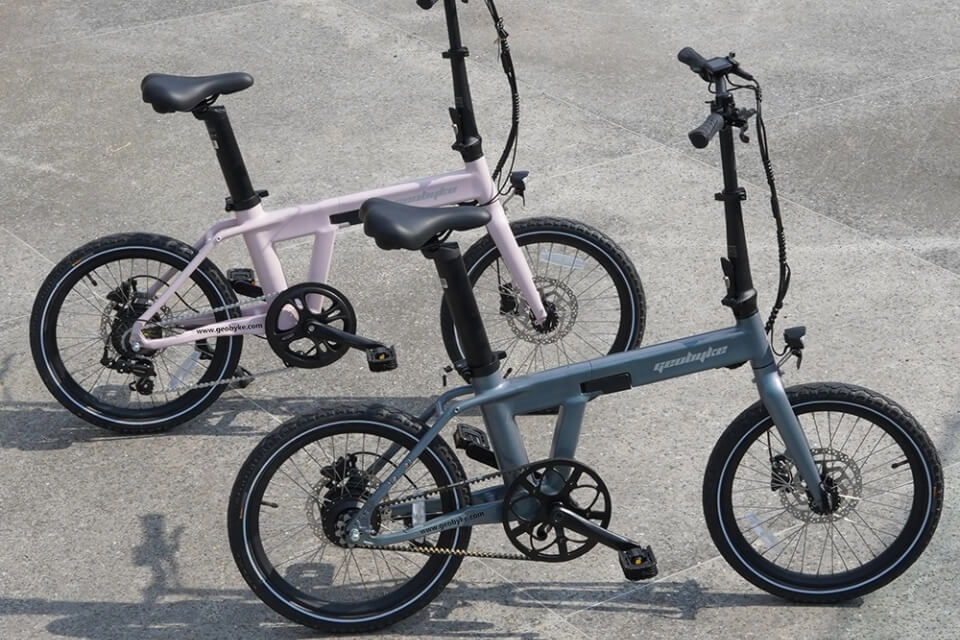
If you sell e-bikes, you’re not just moving a bicycle. You’re also shipping a battery + charger + electrical drivetrain system. That’s why UL 2849 matters in safety conversations: it evaluates the electrical drive train, battery, and charger system combinations for fire/electrical safety.
Two practical ways to use this in marketing without sounding preachy:
- Position it as “buyer confidence”: “We only spec systems that follow recognized safety standards.” (Short, calm, no drama.)
- Use it as a filter, not a slogan: your purchasing team and dealers should treat certification like a gate.
Shop policy: manage battery risk in the service bay
Retailers in the field are already doing this. One shop example: they won’t keep uncertified battery e-bikes in the store, they’ll do quick fixes only, and if they feel uneasy they ask the customer to take the battery with them. Another retailer says they require UL-certified batteries for brands they sell, and they avoid electrical work on brands they don’t stock.
That’s not “being difficult.” That’s basic risk control.
Charge Safe: lithium-ion battery charging and storage
Here’s the part customers mess up the most: charging at night, charging near exits, using random chargers.
You can keep it simple and still sound pro.
- Charge only when you’re awake and alert. Don’t charge while asleep.
- Don’t charge in bedrooms or where escape routes get blocked (hallways, near doors).
- Use the supplied / manufacturer-approved charger.
- Unplug when it’s done.
- Don’t cover chargers or battery packs.
- Plug into a wall outlet (skip extension cords) and don’t overload sockets.
- Know failure warning signs (hot to touch, swelling, weird noises, leaks) and stop using it.
If you sell into the US, it helps to mention CPSC’s plain guidance: be present when charging, never while sleeping, use the supplied charger, use approved replacement packs, and don’t use modified packs.
Also worth one short line: fires can happen even when the bike isn’t charging. CPSC’s 2025 Rad Power Bikes battery warning reports fires that occurred in storage and not in use. (That sentence alone makes customers stop “charging next to the front door.”)
CPSC micromobility pre-ride checks and safe riding
A lot of “e-bike safety” is not battery stuff. It’s basic riding control.
CPSC literally spells out what to check before riding: handlebars, brakes, throttle, bell, lights, tires, cables, frame.
So your staff can run a quick “touch-and-point” drill:
- squeeze both brakes,
- quick tire look,
- lights on,
- bars straight,
- then ride.
Add helmets and “see and be seen” messaging (CPSC emphasizes visibility and vehicle collision risk).
This takes one minute. It reduces returns, crashes, and angry calls. Win-win, honestly.
E-bike retailer safety pledge: road-legal e-bikes and compatible chargers
The UK retailer pledge framework is useful even if you don’t sell in the UK. It’s a clean checklist for responsible retail:
- sell road legal e-bikes from trusted suppliers with full instructions
- repair/modify only per manufacturer instructions
- supply only safety-tested chargers and batteries
- ensure chargers/batteries/components are documented to be compatible
That “documented compatibility” line is gold. It gives your team permission to say, “Nope, we won’t pair that mystery charger with your pack.”
Retailer engagement: workshops, community events, gamification
Safety education flops when it feels like homework.
NBDA shared practical retailer ideas like workshops, social media, community events, gamification, and even store-branded apps—plus using an Ideal Customer Profile to target the message.
Try a few low-effort formats:
- “First Ride Night” (parking-lot drills: braking + cornering + low-speed balance)
- 30-second “Charge Safe” reels (short, repeatable, no lecturing)
- Fleet onboarding for delivery teams (one SOP, one checklist, same language)
It’s not fancy. It’s just consistent.
Versatile OEM/ODM customization and standardized battery/motor interface
Now the business part (because you’re a wholesaler site, not a safety charity).
EZBKE positions itself as Urban M and highlights OEM/ODM services, ISO 9001 quality monitoring, and global export experience.
It also mentions a standardized battery/motor interface design that helps agents combine packages for different scenarios like commuting, sharing, and campus rental.
Here’s how you turn safety education into commercial value, without sounding salesy:
- Offer a dealer “handover kit”: PDI checklist + charging rules + first-week riding tips.
- Build a fleet SOP pack: storage/charging layout rules + inspection cadence + incident reporting flow.
- For OEM/ODM buyers: provide a “compliance pack” style doc set (manual language, labels, training slides).
This cuts friction in the channel. It also reduces RMA headaches later (nobody likes reverse logistics… it’s pain).
Electric Bike models: commuter, folding, and cargo fleet scenarios
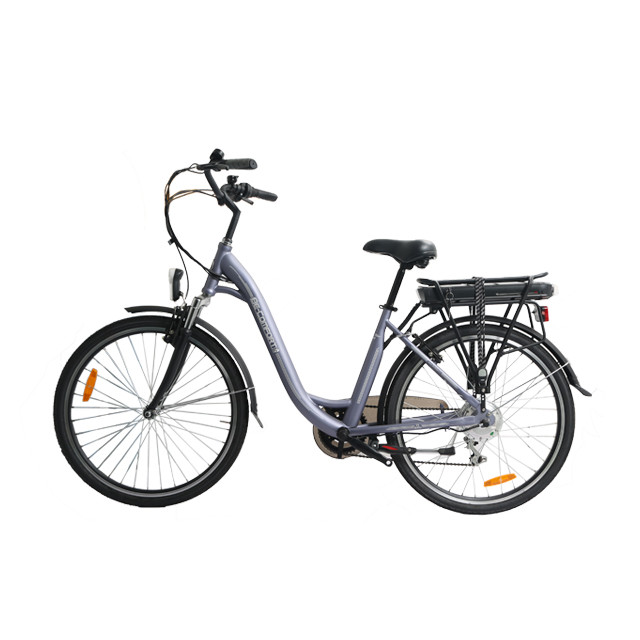
Below are real product titles from EZBKE (so your headings match exact keywords), plus how I’d teach safety for each use-case.
Wholesale Peak Power 450W Electric Bike from China Factory
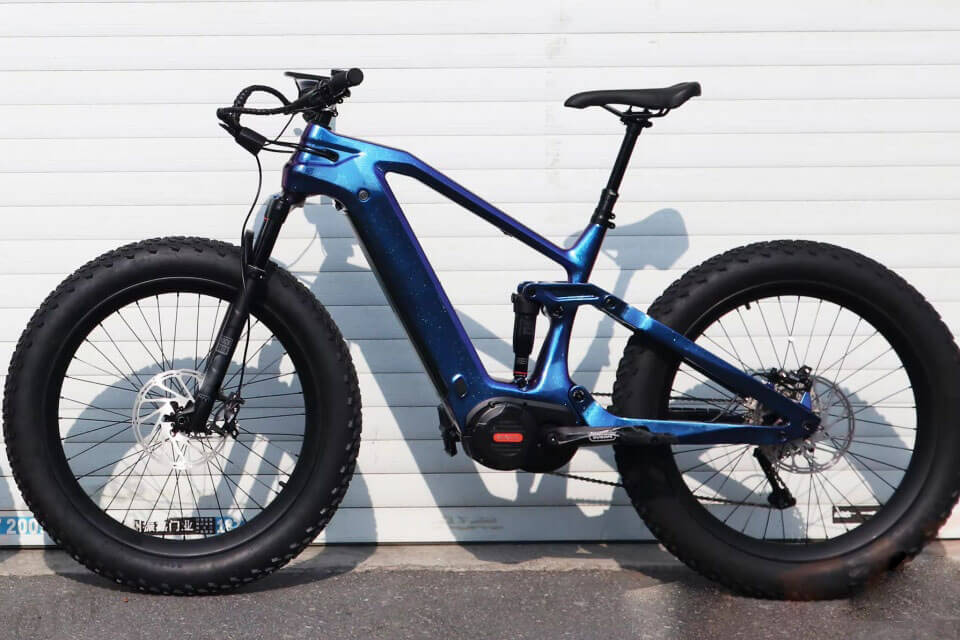
This one has a 20-inch frame, front/rear shock absorbers, and fat tires.
Safety angle: teach braking distance on fat tires (they grip, but riders overtrust), and teach “slow corner in wet conditions.” Keep it real.
750W 3-Wheel Electric Cargo Bike with Large Front Box
It’s built for urban delivery and family transport, with a front box, and it calls out stability as the value.
Safety angle: teach turning radius, load shift, and “no high-speed corners when the box is full.” A 3-wheel feels stable… until you take a fast turn like it’s a 2-wheel.
350W Electric Cargo Bike with Dual Battery & Heavy-Duty Rack
Designed for logistics, delivery, and urban transport, with dual lithium batteries and racks.
Safety angle: “dual battery doesn’t mean ignore charging discipline.” Put the Charge Safe rules into fleet onboarding day one.
B01 lightest long distance hyper electric bicycle supplier
B01 calls out a removable 36V10Ah battery, disc brakes, and a commuter-friendly range claim.
Safety angle: removable battery = customers charge indoors more often. So your handover should hammer where to charge and not blocking exits.
C02 fast 30 mph mid drive electric bicycle manufacturer odm
This page leans on urban specs and mentions LED lights and dual V-brakes.
Safety angle: faster bikes need a stricter “first week” plan: brake bedding, tire pressure checks, and a calm “don’t ride like day-one Tour de something.” (yeah my grammar a bit off here, but you get it.)
C06 top adult electric bicycles road frame manufacturer oem
C06 lists LEDs, PAS sensor, and a commuter/delivery positioning.
Safety angle: teach PAS behavior (it kicks when you pedal), and make riders practice “pedal, coast, brake” in a safe space before traffic.
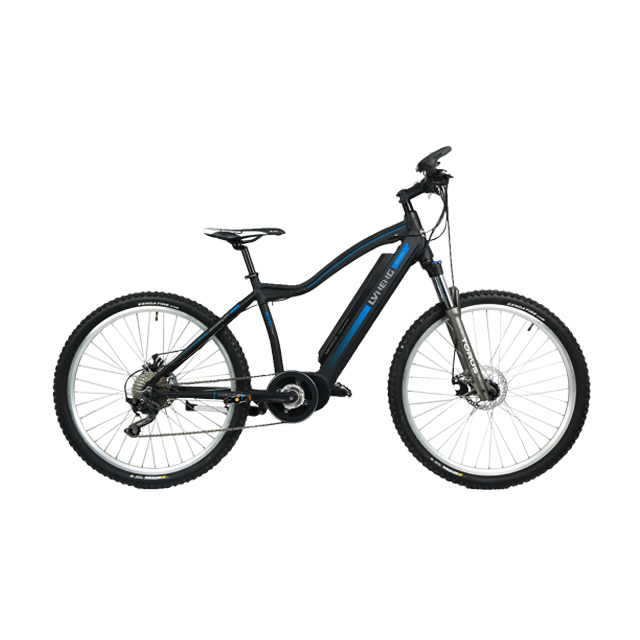
LN26M01 juiced adult electric bike bicycle manufacturer oem
It calls out mid motor, disc brakes, and business-friendly customization.
Safety angle: for fleets, set an inspection cadence using the CPSC checklist (brakes, tires, cables, frame).
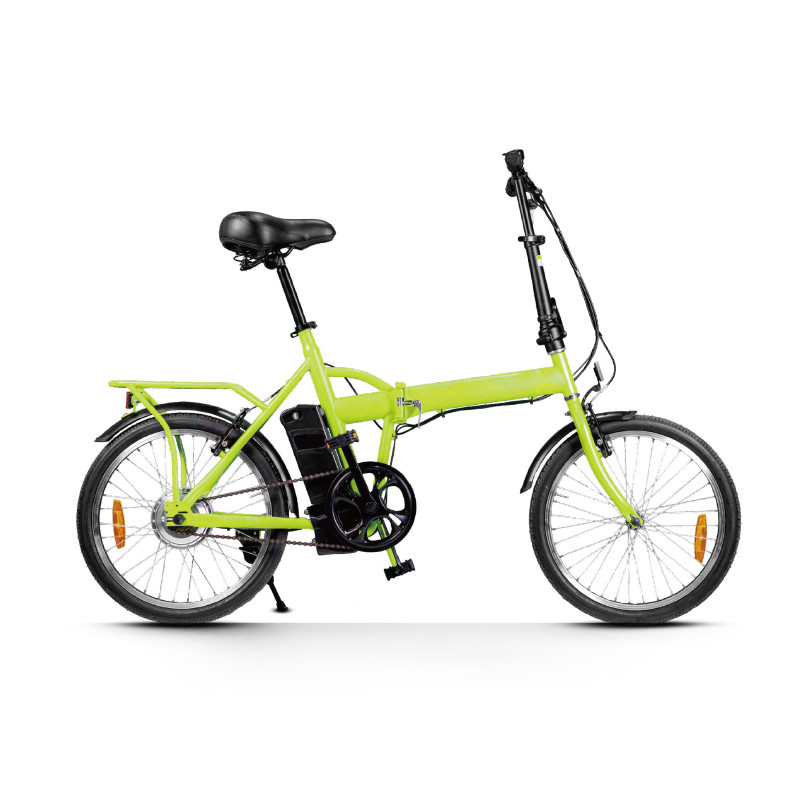
LN26M03 electric folding bicycle for adults near me factory
This one sells the idea of store-ready shipping and global charger support.
Safety angle: folding bikes get carried, bumped, tossed in trunks. Teach “if the pack got smashed, don’t charge it—inspect first.” FDNY and NFCC both stress watching for damage and warning signs.
M04 Best electric bicycles for adults near me factory
Positioned as reliable, foldable, “no frills.”
Safety angle: make the education feel easy too—one card, five rules, done.
A simple handover script (steal this)
Say it like a human:
- “Charge it only when you’re awake. Don’t do overnight charging.”
- “Use the original charger. Random chargers are where problems start.”
- “Don’t charge in bedrooms or hallways. Keep exits clear.”
- “Before your first ride: brakes, tires, lights, quick look over the bike.”
- “If the battery gets hot, swells, smells weird, or makes noises—stop using it.”
That’s it. Short beats fancy.
What this does for your business (and your dealers)
Safety education isn’t fluff. It reduces:
- early “user error” returns,
- support tickets,
- and brand trust issues caused by unsafe third-party parts.