


-
414 Block B, ZT Times Plaza, Wuhan, Hubei, China

Blog
Building White-Label Apps For Your Scooter Fleet
White-label scooter sharing app
White-label isn’t about “having an app.” It’s about owning the rider relationship while you ship fast. When the logo, push notices, emails, and domain look like Sie, riders remember Sie. Not your software vendor. (fleetster.net)
Also, speed matters. A lot. Some platforms openly position “standard rollout” in days/weeks instead of months of custom coding. That’s basically the difference between testing one neighborhood vs. still arguing about the map SDK. (playmoove.com)
Key arguments from related “white-label app” articles (with sources)
| Argument (operator-style) | Was dies in der realen Welt bedeutet | Evidence shown by sources | Quelle |
|---|---|---|---|
| Brand ownership is the point | Riders think the service is yours, and city partners do too | White-label can put UI + comms on your brand, even on your domain; pushes/emails in your name | fleetster (fleetster.net) |
| Launch faster, learn faster | You ship a pilot and fix pricing/parking rules with real usage | Vendors describe fast “standard platform” rollout windows | Playmoove, fleetster (playmoove.com) |
| Keep the core flow tight | Less drop-off in signup → unlock → pay | QR scan unlock ties to a vehicle and syncs to the backend dashboard | Joyride (joyride.city) |
| Payments + wallet reduce drama | Fewer failed charges, simpler refunds, smoother passes | Apple Pay/Google Pay, auto top-up wallet, trip summary, payment history | ScootAPI (scootapi.com) |
| Promos + CRM drive repeat rides | You don’t rely on “hope marketing” | Promos + SMS/email campaigns described as built-in tools | Joyride (joyride.city) |
| Service area + zone rules are table stakes | Cities care about order; you cut complaints | Service area management and multi-model booking shown as standard features | Playmoove (playmoove.com) |
| Publish under your own store accounts | Less vendor lock-in and cleaner control | “We publish the app from your accounts” stated explicitly | ScootAPI (scootapi.com) |
That table is the “why.” Now here’s the “how.”
QR-Code entsperren
If your unlock flow feels clunky, everything else suffers. People won’t email you a polite UX report. They just bounce.
A good rider flow usually looks like:
- quick signup
- map + nearby units
- scan QR
- unlock
- end ride + receipt
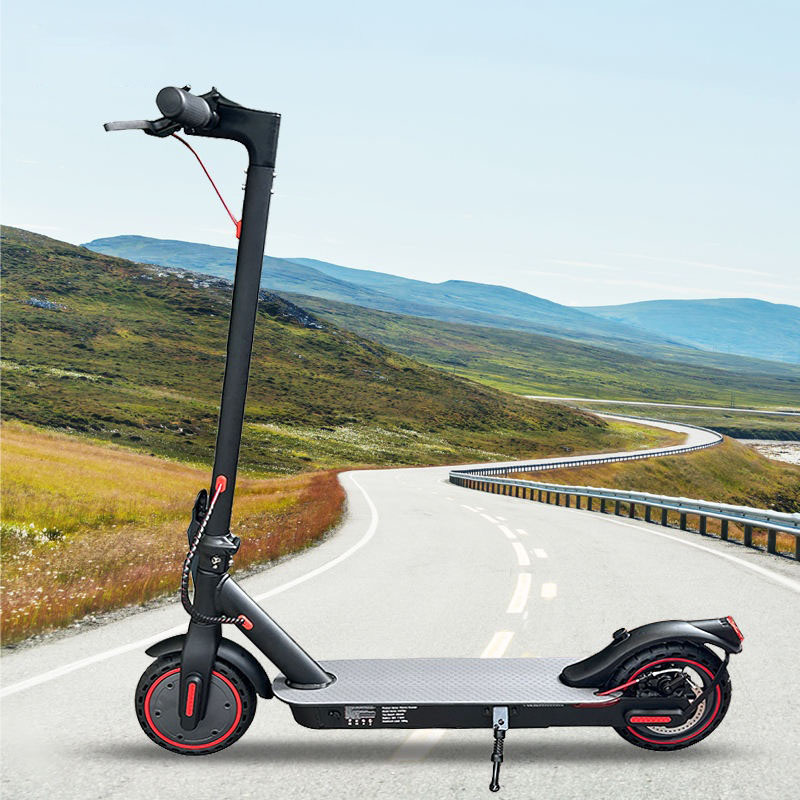
Joyride describes QR unlock as the key moment: scan ties the ride to a specific scooter/bike and then the system tracks that vehicle in the operator dashboard. (joyride.city)
Practical use case: campus launch
- Students walk out of class, they don’t want “tutorial hell.”
- You show a short “how to ride / how to park” screen, then let them ride. ScootAPI even lists “How to ride tutorial” as part of the rider UI toolkit. (scootapi.com)
Payment system and wallet management
Payment is where fleets bleed time. Charge fails → rider complains → ops wastes hours.
ScootAPI lays out a very standard (and proven) stack: Apple Pay + Google Pay, auto wallet top-ups, post-trip summaries, and history logs. (scootapi.com)
Operator tip (street-level):
Angebot pay-as-you-go + passes. Passes aren’t “nice to have.” They smooth demand and cut the “one-ride tourist only” problem. Playmoove and ScootAPI both describe pass / pay-per-use style options in the rental flow. (playmoove.com)
Promotions, SMS and email campaigns
Here’s the blunt truth: your fleet doesn’t grow just because scooters exist.
Joyride calls out promos (passes, themed giveaways, local retailer offers) and ties them to SMS/email campaign tools. That’s what operators actually need: push the right offer to the right cohort, not spam everyone. (joyride.city)
Reales Szenario: tourist belt
- Friday afternoon: you push a “2-ride pass” to hotel zones.
- Saturday morning: you nudge riders about parking rules in the old town.
You don’t “educate the city.” You reduce angry photos on social media. kinda important.
Service area management and geofencing
You can’t run sharing without zone logic. It’s the boring part that saves your business.
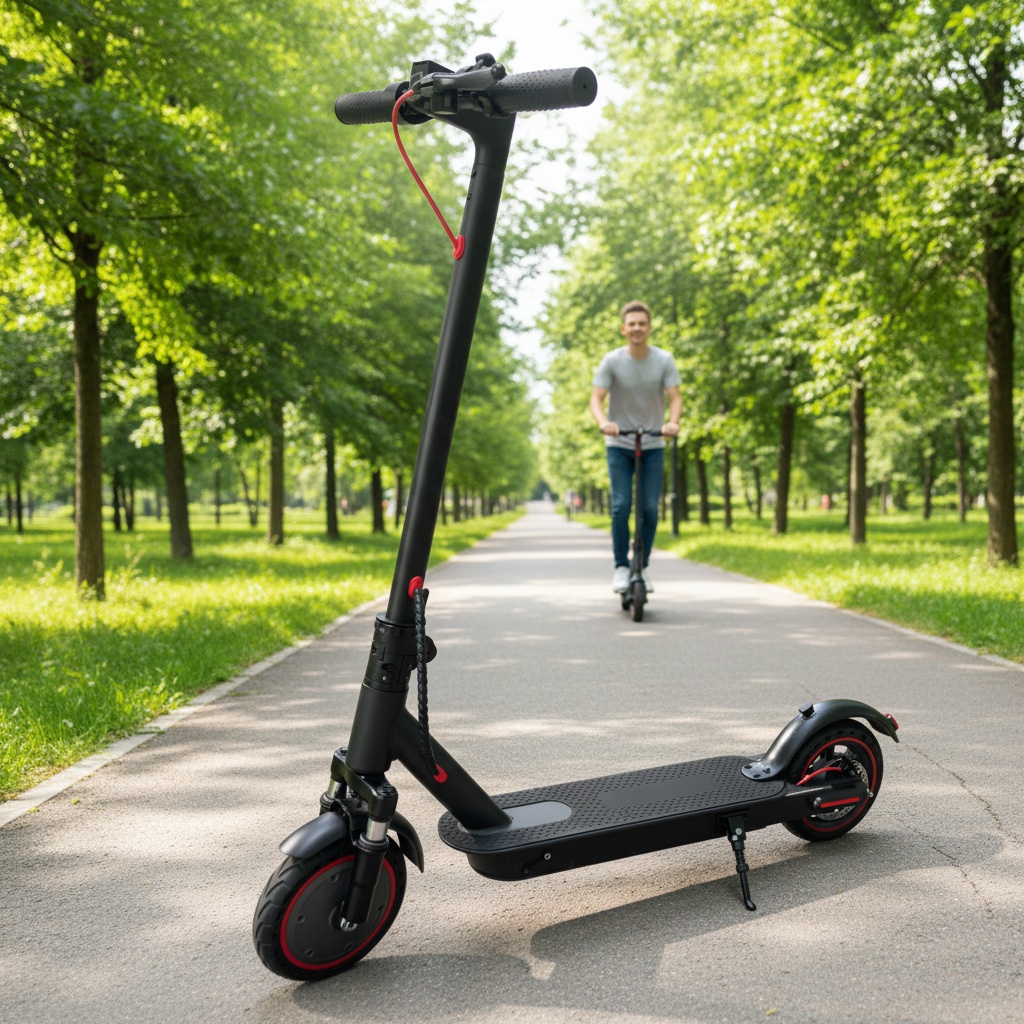
Playmoove lists service area management as a core module for kick scooter sharing, alongside QR booking and billing. (playmoove.com)
On the EZBKE side, the Scooter teilen category page pushes “city compliance kits” and fleet-grade spec (IP rating, commercial batteries, GPS/Bluetooth lock). That combo matters because geofencing doesn’t work if devices drop offline. (ezbke.com)
Back office platform and staff operations
Your rider UI is only half the story. The other half is ops: rebalancing, swaps, repairs, incident handling.
Playmoove frames the stack as: end-user app + back office + assets manager (remote control + location) + billing manager. (playmoove.com)
Joyride also ties the rider action (QR unlock) back to backend tracking. (joyride.city)
Now layer in hardware reality: if your scooters need constant wrench time, your best software still looks bad.
EZBKE literally sells “hardware + IoT + software” as an integrated approach, including compliance asks like CE/ROHS/UN38.3/ISO9001 and IoT certifications, which matter for scaling and shipping. (ezbke.com)
Publish apps from your accounts
This is a sneaky one, but founders learn it the hard way.
ScootAPI explicitly says they publish the app from your accounts, so you manage it in App Store / Google Play yourself. (scootapi.com)
That’s not just control-freak stuff. It’s risk management. If you ever switch vendors, you don’t want to “lose” your own rider channel.
Scooter teilen
Now let’s tie it back to EZBKE / Urban M and the part buyers actually pay for: scooters that survive the street.
EZBKE positioniert sich als 15Y Elektro-Roller Hersteller Werk with wholesale + OEM/ODM focus, and it sells Sharing Scooter as fleet-grade: IP rating, commercial batteries, GPS/Bluetooth lock, and bulk customization. (ezbke.com)
Super S (Best foldable electric scooter for commute bike wholesaler)
Super S ruft IPX7 coverage for battery/motor/controller/IoT and solid non-inflatable tires in its spec table. (ezbke.com)
That’s a clean fit for “dense core / campus / last-mile” setups where you want less curb damage and less tire drama.
FS Pro (FS Pro mobility electric motor scooter for adults supplier)
FS Pro pitches fleet ops language straight up: luftlose Reifen, austauschbare Batterien, 4G connectivity for GPS/analytics/remote diagnostics, and “white-label ready” branding slots (like QR plates). (ezbke.com)
It even mentions dynamic pricing + theft prevention as part of the connectivity story, which is exactly how ops teams talk. (ezbke.com)
S1 (S1 foldable electric scooter for adults 300 lbs factory)
S1 Listen IP67 for controller and battery, non-inflatable tires, and a heavier-use positioning (payload spec + durability language). (ezbke.com)
For inclusive fleets (bigger riders, rougher sidewalks), this helps you avoid “unit keeps failing in the same zone” headaches.
Hardware-to-use-case fit (quick ops cheat sheet)
| Stichwort Anwendungsfall | Suggested model | Why it maps |
|---|---|---|
| Mobilität auf dem Campus | FS Pro / Super S | Swap-friendly ops + simple rider flow; solid tires and water protection help keep uptime (ezbke.com) |
| Tourist mobility | Super S | Foldable + IPX7 spec and solid tires can reduce random damage and wet-weather issues (ezbke.com) |
| Heavy use corridors | S1 / FS Pro | IP67 on S1, airless + swap on FS Pro = less downtime, fewer field fixes (ezbke.com) |
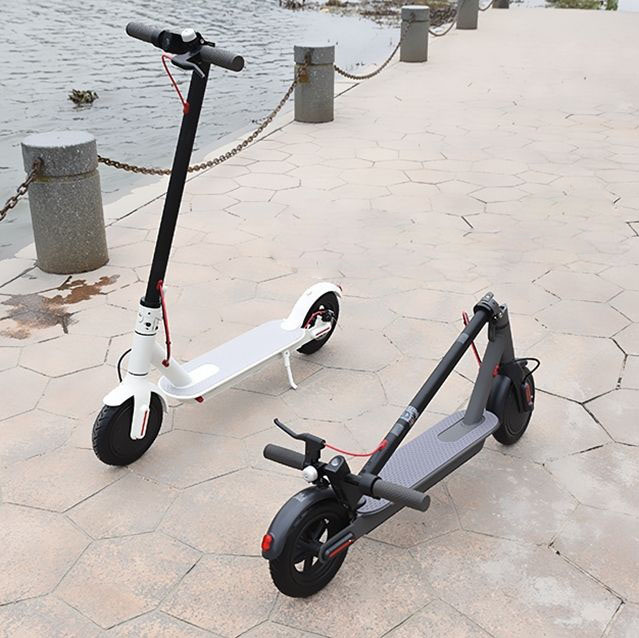
Endgültige Aufnahme
If you run a scooter fleet, a white-label setup isn’t “extra.” It’s the normal path: you launch, you learn, you tune zones, you push offers, and you keep ops sane. (playmoove.com)
But yeah… the rider flow can be perfect and you’ll still lose if the hardware is fragile. That’s why EZBKE’s pitch (Sharing Scooter + OEM/ODM + integrated stack) makes sense for bulk buyers and wholesalers who need to scale without baby-sitting every unit. And Urban M fits naturally there: brandable fleet hardware that matches the software story. (ezbke.com)