


-
414 Block B, ZT Times Plaza, Wuhan, Hubei, Kina

Blog
Why Foldable Electric Scooters Sell So Well in Dense Cities
You can feel it in any packed city, honestly. The sidewalks are tight, the station entrances are chaos at rush hour, and nobody wants one more bulky thing eating up floor space at home or curb space outside. That’s why the old “bigger is better” pitch falls flat here. In dense cities, the stuff that wins is the stuff that fits. And micromobility fits because it was built for short urban runs, not long highway ego trips.
That’s why a Sammenklappelig elektrisk scooter sells on more than just speed. Buyers in crowded markets usually aren’t asking one clean question. They’re asking five messy ones at once: can it fold fast, can it fit in an elevator, can it sit under a desk, can it work with transit, can my fleet team move more units in less space? That’s the real game. Not spec-sheet flexing. Not brochure theater.
And for a wholesale brand like Urban M on EZBKE, that matters more than it maybe seems at first glance. Your Foldbar elektrisk scooter kategori isn’t framed like a generic retail page. It’s built around the kind of details actual buyers care about—UL2272-certified units, aircraft-grade hinges rated for 20k+ cycles, IP54 protection, OEM customization, and fleet/shared mobility fit. That’s not filler copy. That’s channel language. Big difference.
Foldable Electric Scooter and Urban Commuting
Here’s the ugly truth: in dense cities, speed isn’t always the bottleneck. Friction is.
A foldable unit cuts that friction in weird little places most sellers ignore. Hallways. Lobbies. Storage rooms. Train platform edges. The last thirty meters outside a station. Those tiny pain points add up fast, and buyers feel them every day even if they don’t describe them in neat words. One OECD-linked source says a single converted car parking space can hold up to 12 micromobility vehicles. That sounds like a dry planning stat. It’s not. It’s a brutal reminder that urban space is expensive and every square meter has to earn its keep.
But space is only half the story. The other half is transfer friction. E-scooters work well in the first-mile and last-mile stack because they’re flexible, quick to deploy, and—when the ecosystem is set up right—they can slash transfer time to almost nothing. Another study found that for many scooter trips, the public transport alternative would take twice as much time, or more. So no, the winning product isn’t always the one with the loudest motor pitch. It’s the one that makes the whole trip less annoying.
That’s why foldables keep showing up in city buying conversations. Not because they look futuristic. Because they remove drag. Simple.
There’s also a behavior signal here that people in the industry shouldn’t ignore. NABSA’s 2024 report says 74% of riders use shared micromobility to connect to transit, while total shared micromobility trips reached 225 million in North America in 2024. I frankly believe that matters more than a lot of flashy trend pieces. Why? Because repeated rider behavior tells you what survives in the real world. And real-world behavior is usually smarter than marketing decks.
Related Research and Key Arguments
| Key argument | What the evidence shows | Why it matters for real buyers | Kilde |
|---|---|---|---|
| Space-saving design | One converted car parking space can store up to 12 micromobility vehicles | Better curb use, better storage logic, easier fleet rollout | OECD / ITF |
| Last-mile mobility | E-scooters suit first-mile and last-mile trips because they offer low cost and high flexibility | Strong fit for metro feeders, campuses, residential districts | Transport Policy study |
| Door-to-door time advantage | For many e-scooter trips, the public transport option would take twice as much time, or more | Buyers care about friction, not only top speed | Journal of Transport Geography |
| Transit connection demand | 74% of riders report using shared micromobility to connect to transit; 225 million trips were taken in 2024 | This is not niche demand. It is repeated travel behavior | NABSA |
| Parking order matters | In Paris, dedicated bays plus in-app enforcement raised parking compliance from 35% to 97% | Dense-city sales grow faster when parking rules are manageable | OECD / ITF |
| Safety and design still matter | OECD says better infrastructure and improved vehicle design are especially important for e-scooters | Good products need compliance fit, not just nice looks | OECD |
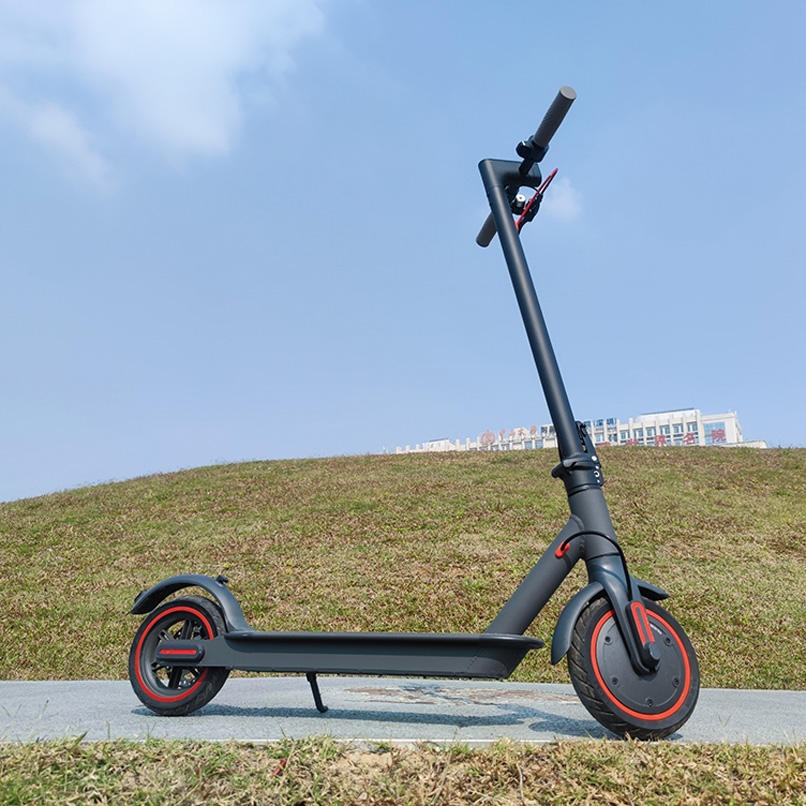
Last-Mile Mobility in Dense Cities
Let’s stop talking like this is only theory.
A commuter leaves a tiny apartment, folds the scooter in one motion, gets through the lobby, rides to the station, hops on the train, unfolds again, then finishes the trip without circling for parking. A student shoves it under a desk. A rental operator cares about rebalancing speed and curb compliance. A distributor looks at carton flow, pallet density, warranty drag, and whether the SKU mix actually makes sense for urban dealers. Different people, same pain point. Too much friction before and after the ride.
That’s where foldability earns its keep. Not in a dramatic way, either. Quietly. It trims dead time. It reduces storage headaches. It makes mixed-mode commuting less clunky. From my experience, buyers often say they want “performance,” but what they really mean is they want fewer annoying moments in the day. That’s a different brief entirely.
And there’s another layer people sometimes skip past. OECD reporting says private bicycles and e-scooters use less energy and emit less greenhouse gas per person-kilometer than cars. So the appeal isn’t just convenience, or not only that. It’s also about city-fit mobility that doesn’t eat resources the way larger vehicles do. In dense urban markets, that kind of logic lands better than hype. Usually.
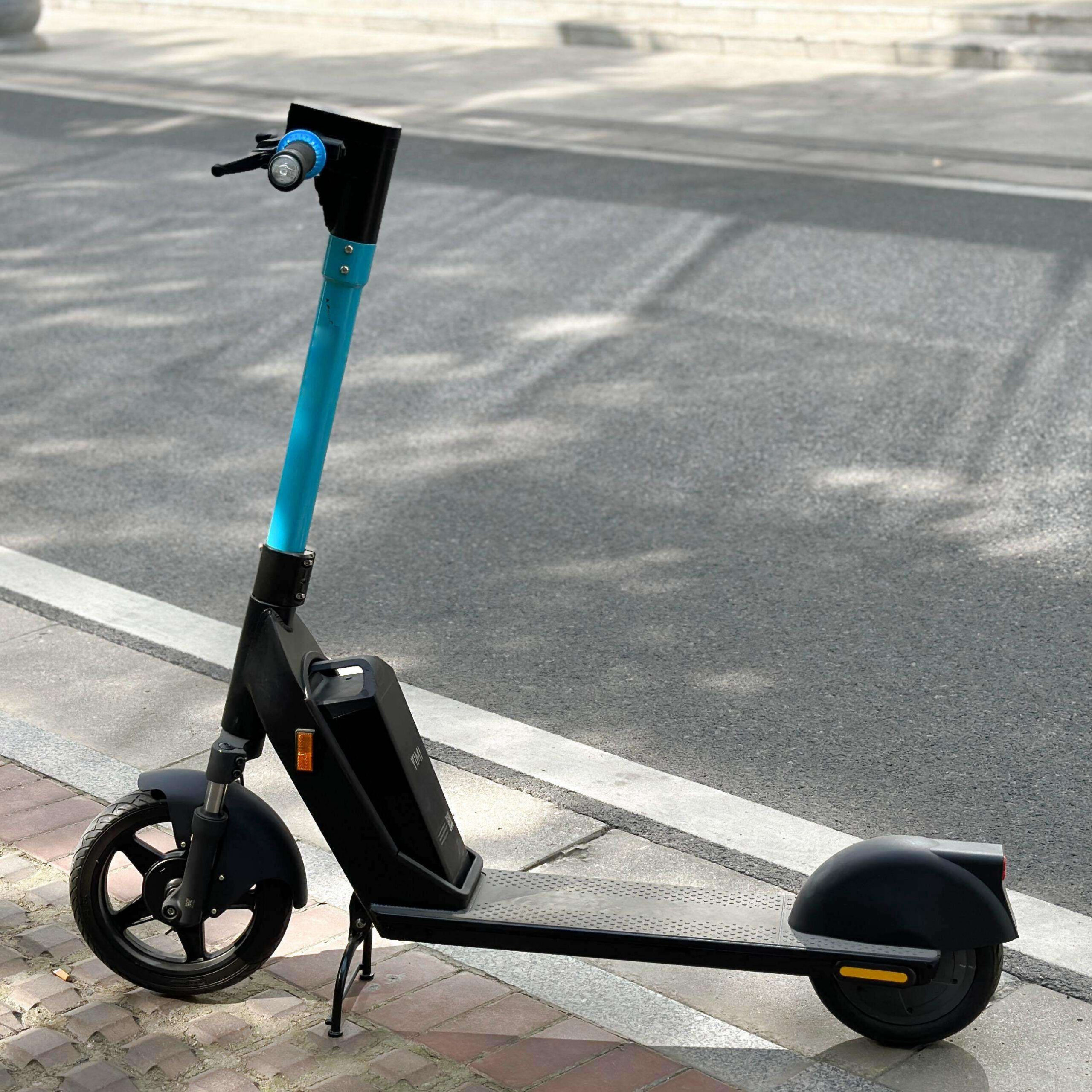
Foldable Electric Scooter OEM/ODM for Wholesale Buyers
Now, this is where it gets commercial.
If your reader is a wholesaler, importer, distributor, retailer, or project buyer, the question isn’t “Is this product cool?” Nobody serious buys like that for long. The real question is whether the unit is a channel-fit SKU—whether it meets compliance expectations, whether the pack-out works, whether the frame survives repeat use, whether customization is actually workable, and whether the product can move through urban markets without creating a service mess six months later.
That’s why Urban M’s positioning works. The Sammenklappelig elektrisk scooter page is already talking in B2B terms: urban fleets, shared mobility, OEM customization, batteries, branding, logistics integration. Not consumer fluff. Not empty “lifestyle” language. It speaks to buyers who care about sell-through, not just showroom shine.
Urban M K1 electric motor foldable scooter adult manufacturer
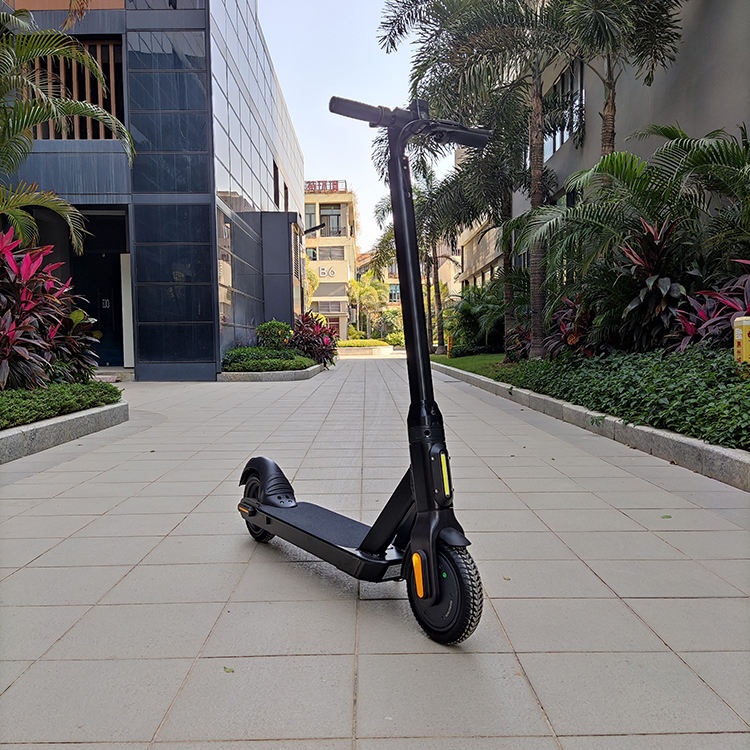
Den K1 feels like a smart fit for buyers who need flexibility across markets without overcomplicating the lineup. It offers 250W eller 350W motor options, 25 km/h for EU og 30 km/h for USA, 36V 8.7Ah or 48V 8.7Ah LG lithium batteries, 35–40 km rangeog 3–4 hour charging. That’s a clean urban brief already. But the more interesting bit, at least to me, is the ops angle: the page calls out that the foldable structure allows more units per pallet. That kind of detail doesn’t sound sexy. It makes money anyway.
Urban M K2 folding adult electric bicycle scooter manufacturer
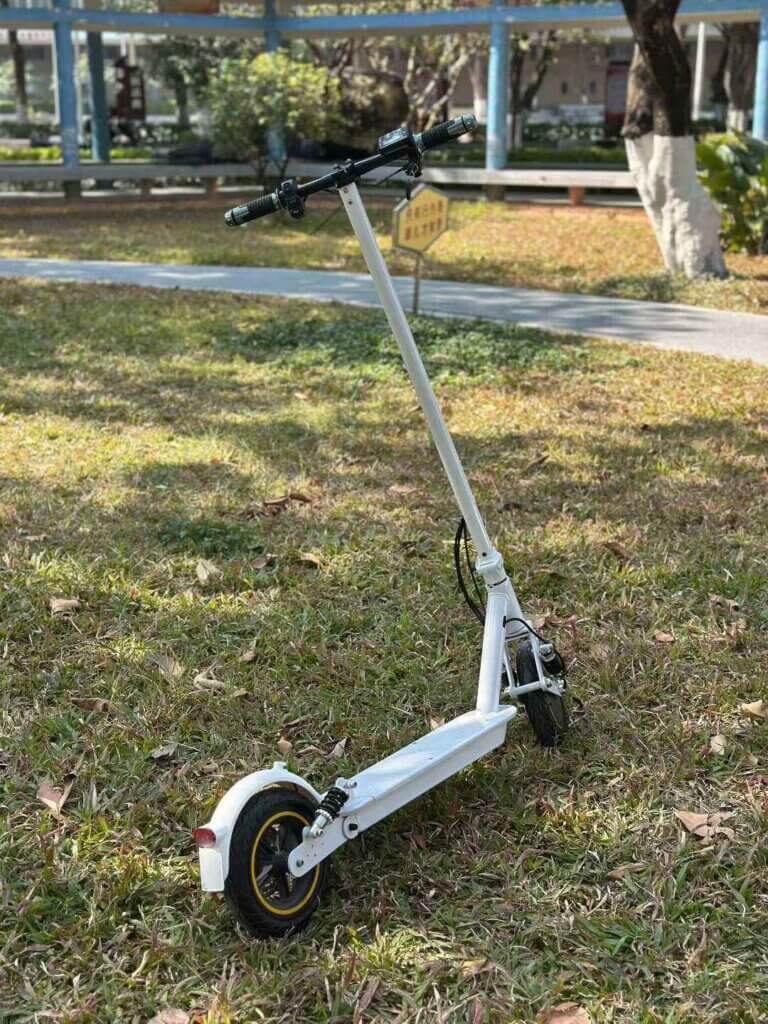
Den K2 pushes harder on range choice and shipping efficiency, which is honestly what a lot of buyers want when they’re building a city-ready assortment. It uses a 450W motor, offers 25 km, 35 km, or 50 km range options, includes 36V 6Ah / 7.5Ah / 9.6Ah battery choices, and supports 240 units per 20GP eller 480 units per 40HQ. It also stays foldable while holding net weight at 18 kg, which helps with storage, mixed commuting, and plain old practicality. Not fancy. Useful.
Urban M Foldable Electric Scooter Product Fit
| Model | Best-fit urban scenario | Buyer pain point it helps solve | Key data |
|---|---|---|---|
| K1 | City commuting, dealer channels, private-label retail | Regional compliance fit, faster recharge, tighter pallet planning | 250W/350W, 25–30 km/h, 35–40 km range, 3–4h charging |
| K2 | Dense-city commuting, rental entry, scalable wholesale | Battery choice, shipping efficiency, easy storage | 450W, 25/35/50 km range, 18 kg, 240pcs/20GP, 480pcs/40HQ |
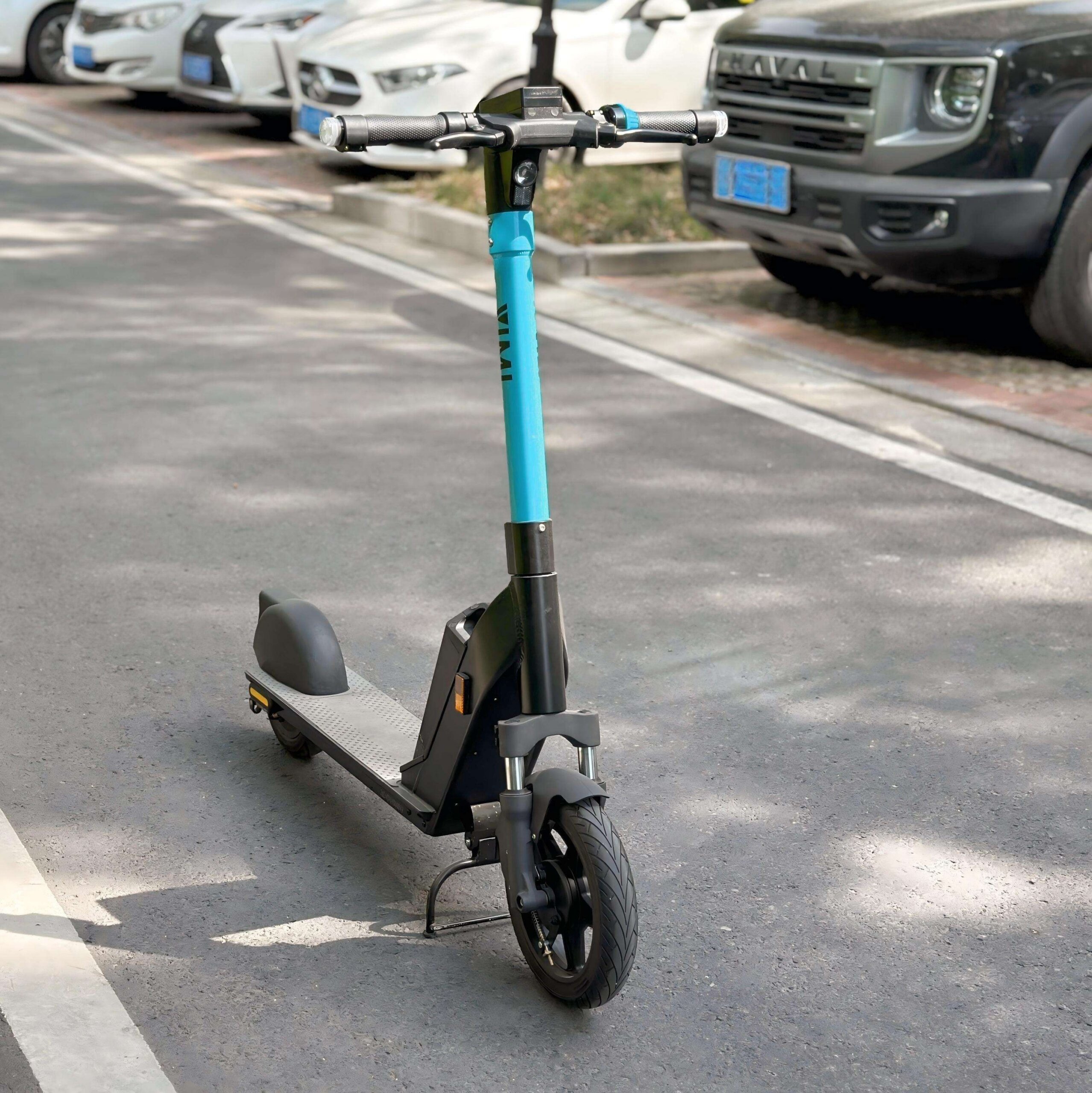
Shared Mobility, Safety, and Compliance
But—because there’s always a but—none of this works long term if cities, operators, and suppliers ignore safety and curb management.
That part matters alot.
OECD reporting shows that better parking management can sharply improve compliance, and separate OECD work makes it pretty clear that infrastructure and vehicle design still matter for safer e-scooter use. So if a seller is still trying to win dense-city business with nothing but top-speed talk, they’re probably reading the room wrong. Buyers in these markets often care more about brake-light options, visibility, waterproofing, hinge durability, compliance fit, and serviceability than they do about one chest-thumping spec line.
Here’s the ugly truth again: products that survive dense-city channels aren’t always the flashiest ones. They’re the ones that can handle messy reality—shared fleet wear, apartment storage, transit handoff, dealer stocking logic, and the endless grind of real urban use. That’s why foldables keep pulling attention. They solve boring problems. And boring problems, weirdly enough, are where the real business usually is.
Conclusion: Why Foldable Electric Scooters Keep Moving in Dense Cities
So, are foldables popular in dense cities? Yeah, that sure looks right. The evidence points in the same direction again and again: short urban trips, last-mile demand, space pressure, transit connection, parking efficiency, and practical storage all favor smaller, easier-to-handle vehicles. Not every market behaves the same, of course. Still, the pattern is hard to miss.
And for EZBKE, this isn’t just content marketing filler. It connects directly to product logic. Urban M Foldable Electric Scooter products like K1 og K2 line up with what dense-city buyers actually need: portability, useful range, shipping logic, OEM/ODM flexibility, and a better fit for the daily grind of urban mobility. The scooter that wins here usually isn’t the loudest one in the room. It’s the one that fits the train, the curb, the hallway, the stockroom, and the market.
That’s the whole thing. Mostly.