


-
414 Block B, ZT Times Plaza, Wuhan, Hubei, China

Blog
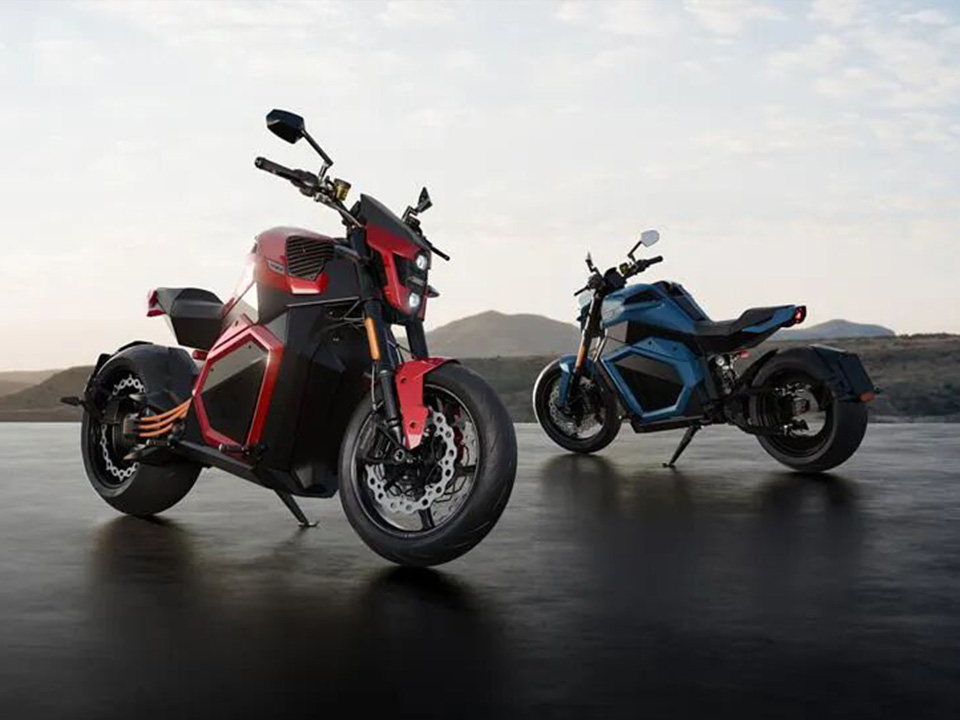
Comparing E-Motorcycles vs Gas for Fleet Buyers
I’ve watched too many procurement teams get hypnotized by sticker price, then act surprised when the real bill shows up later in the form of blown SLAs, “yard time,” and a maintenance queue that looks like a small airport security line, except the passengers are vehicles you already paid for.
Because the fight isn’t “electric vs gas” in the abstract; it’s your duty cycle—km/day, stop density, payload, ambient heat, rider behavior, spare ratio, and the ugly little bottlenecks nobody budgets for (chargers, parts lead times, the one tech who knows the system and goes on leave), all colliding with finance’s demand for predictable costs and ops’ demand for zero excuses. So… what are we really buying?
If you’re a fleet buyer, the phrase electric motorcycle vs gas motorcycle should translate into one thing: which option gives me fewer catastrophic surprises per 10,000 km. That’s it. Everything else is noise.
What the market data actually says
But let’s anchor this in something other than vibes and vendor PDFs.
International Energy Agency pegs global electric 2/3-wheeler sales share at about 13% in 2023, with stock share around 8%—meaning electrification is real, but it’s not evenly distributed, and it’s absolutely not “done.”
Now, here’s where people get dumb: they see a global percentage and assume their city’s fleet economics match the global average. They don’t.
And then there’s the kind of case study that makes CFOs sit up straight. Uber’s Kenya rollout (“Electric Boda”) targeted ~3,000 electric bikes and said drivers could see a 30–35% operating cost drop, with riders paying 15–20% less than regular motorbike trips. That’s a serious claim, in a market that punishes inefficiency like it’s a hobby.
Because that story doesn’t automatically port to your world. Different labor rates. Different fuel subsidies. Different theft risk. Different road abuse. Different charging chaos. And—this one matters—different expectations for uptime.
The TCO knife fight: where electric wins, where gas still punches back
Yet fleets don’t die by ideology; they die by variance. The electric pitch is basically: fewer moving parts, cheaper “fuel,” cleaner compliance story. The gas defense is: refuel anywhere, fix anywhere, range flexibility, cheap used inventory, known depreciation.
I frankly believe most comparisons fail because they talk about cost like it’s a single number, when it’s actually a range with landmines scattered across it.
One hard baseline people can’t hand-wave away: U.S. Energy Information Administration shows U.S. regular gasoline averaged about $3.30/gal in 2024. That’s not your exact price everywhere, sure. But it shows the shape of the volatility you’re signing up for with gas.
Electricity moves too, but fleets can do tariff work, time-of-use shifting, capacity planning, negotiated supply. You can’t do “time-of-use OPEC.”
Now the part everyone wants to whisper about: batteries. Your e-motorcycle fleet isn’t just vehicles—it’s a battery program with wheels attached. Packs age. Cells drift. BMS logic does weird things at the worst possible moment (ask any operator who’s seen a bike limp-mode itself into a missed delivery window).
Battery economics are trending your way, though. BloombergNEF reported lithium-ion pack prices fell to about $115/kWh in 2024 (down ~20% from 2023).
Because your downtime doesn’t care about global averages if your specific replacement pack is backordered and your vendor’s “support desk” is a chatbot that keeps telling you to restart the controller.
Chemistry isn’t trivia, either. LFP (LiFePO4) tends to be a cycle-life brick—stable, less drama, heavier for the same range. NMC/NCM buys you energy density but asks for more thermal and charging discipline. If your supplier won’t say what chemistry they’re shipping, that’s not confidentiality; that’s avoidance.
What fleet buyers should demand in writing
However, the brochure is designed for the person with the company card, not the person who gets screamed at when vehicles go down.
Here’s the ugly truth: if the supplier won’t commit to parts availability and turnaround time, you’re not buying a fleet asset—you’re renting uncertainty.
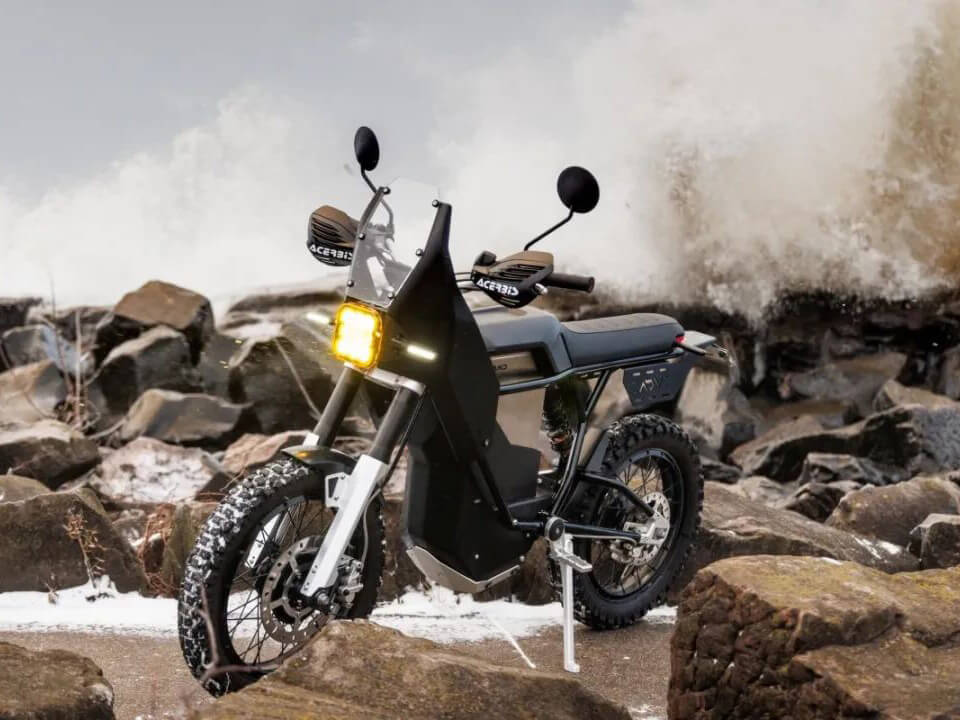
If you’re building fleet electric motorcycles, push for:
- Continuous power rating (peak is marketing, continuous is real life).
- Battery chemistry (LFP vs NMC) plus warranty terms tied to capacity retention (think “≥70% at X months / Y kWh throughput,” not “trust us”).
- Parts SLA for controller, BMS, motor, charger (the stuff that actually bricks a vehicle).
- MTTR assumptions: who does the work, where, and who pays shipping.
- Charge-rate limits and whether fast charging triggers warranty exclusions (it happens).
Then compare that to gas: more wrench points, more consumables, but also a massive service ecosystem and faster refuel.
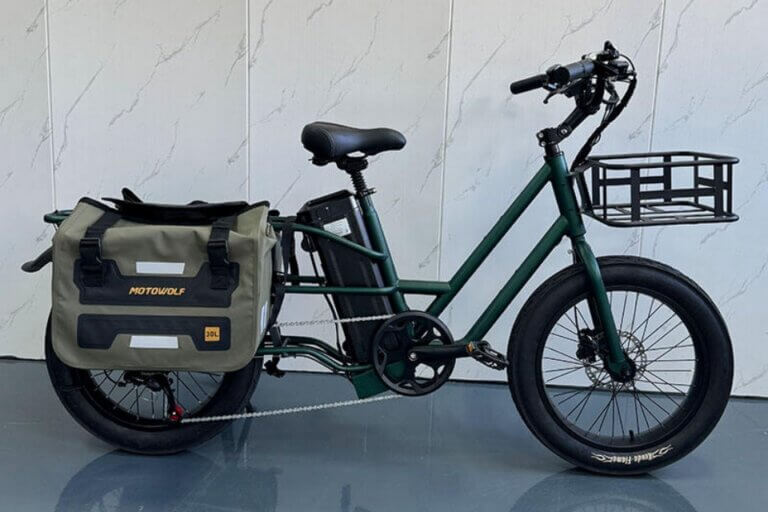
If you want to sanity-check options without getting lost, start with a lineup built for commercial buyers—like this commercial electric motorcycle lineup. If your procurement scope is wider than just motorcycles (which it usually is), use the fleet electric motorcycles and more view so ops can see adjacent formats without you building a Frankenstein shortlist.
And yes, SKU specificity matters in procurement (everyone pretends it doesn’t, until the PO gets stuck). If you’re assembling an internal comparison pack, you can point to concrete pages like M01 electric motorcycle product page, M03 electric motorcycle model listing, and M04 electric motorcycle option while you collect real duty-cycle notes from the field team.
Compliance risk: the silent budget line
So let’s talk about the cost nobody labels “cost”: compliance drag.
Gas motorcycles aren’t just “old tech.” They’re increasingly a policy target—sometimes direct, sometimes indirect through procurement rules and insurer posture. European Union type-approval rules for L-category vehicles run through Regulation (EU) No 168/2013, which made Euro 5 mandatory for new types from 1 January 2020. And the implementing rules explicitly step through Euro 5 and Euro 5+ tightening (this is where long lifecycle plans quietly break).
If you’re outside Europe, don’t relax. These standards still ripple into OEM product planning and corporate procurement playbooks. The “strictest market” tends to set the template.
The comparison table fleet buyers actually use
| Dimension | E-Motorcycles (Fleet Electric Motorcycles) | Gas Motorcycles | What it means for fleet buyers |
|---|---|---|---|
| Energy cost predictability | Higher (contractable electricity; controllable charging windows) | Lower (fuel price swings; local supply shocks) | Budget variance shows up as “mystery margin loss.” |
| Maintenance profile | Fewer moving parts; no oil changes; less drivetrain wear | More service points (oil, plugs, filters, clutch, exhaust) | Maintenance variance becomes fleet chaos at scale. |
| Downtime drivers | Chargers, BMS faults, battery swaps, parts availability | Engine issues, transmission/clutch, routine service intervals | Downtime is your real capex if riders sit idle. |
| Refuel/turnaround | Slower unless you have spare batteries or dense charging | Fast refuel almost anywhere | If your routes are unpredictable, gas stays forgiving. |
| Performance consistency | Strong at low speeds; can sag with heat/aging packs | Stable if maintained; degrades with wear but predictable | Your KPI is “completed jobs,” not top speed. |
| Compliance & access risk | Often lower (noise and tailpipe emissions reduced) | Rising in stricter cities/standards regimes | Policy can turn “legal today” into “restricted tomorrow.” |
| Residual value uncertainty | Battery health dominates resale; market still maturing | Mature used market; predictable depreciation curves | Residual risk is often ignored until disposal time. |
FAQs fleet buyers ask
How do I calculate electric motorcycle total cost of ownership vs gas? Total cost of ownership (TCO) for an electric motorcycle vs gas motorcycle is the all-in, per-kilometer cost of owning, fueling/charging, maintaining, insuring, and downtime-managing the vehicle over a set period (usually 3–5 years), including battery replacement risk and residual value at resale. After that definition, the real work is boring—and profitable: build it from your duty cycle (km/day, stops/hour, payload, idle time), then run sensitivity cases on fuel price and pack replacement timing, because those are the levers that punch your spreadsheet hardest.
How long do batteries last in an e-motorcycle fleet? Battery life in an e-motorcycle fleet is the usable number of full-charge equivalents the pack can deliver before capacity and power sag make the bike miss route requirements, typically governed by chemistry (LiFePO4 vs NMC), temperature, charging habits, and daily depth-of-discharge. If you want a reality check on cycle durability assumptions, research bodies commonly model lithium-ion packs as retaining meaningful capacity across years of use; for example, one TCO-focused analysis describes Li-ion tolerating 1,500+ cycles and still being above ~70% capacity after 5 years under modeled conditions.
What charging setup does a fleet need for commercial electric motorcycles? Fleet charging for e-motorcycles is the combination of electrical service capacity, chargers, parking layout, and operational rules that reliably returns bikes to service each shift, measured in kW available per vehicle, turnaround time, and the percentage of nights you finish at 100% without tripping breakers. If you can’t guarantee charge slots, you don’t have a fleet plan—you’ve got a dispatch headache waiting to happen (and dispatch will blame the vehicles, every time).
Are regulations pushing fleets away from gas motorcycles? Regulatory pressure on gas motorcycles is the mix of emissions standards, urban access rules, and corporate ESG procurement policies that increases compliance cost or restricts operation of combustion bikes, especially where Euro 5/Euro 5+ type-approval, low-emission zones, and noise enforcement tighten year by year. Even when rules don’t “ban” gas, they often add friction: inspections, documentation, operating hours, and procurement constraints that quietly eat time and raise the cost to operate.
Should fleets switch to electric motorcycles right now? A fleet should switch to electric motorcycles when route energy needs, payload, and charging logistics align so that electricity plus lower maintenance beats gasoline plus service downtime, and when the organization can tolerate higher upfront capex in exchange for more predictable operating costs and fewer mechanical failure modes. If your work demands random long-distance redeployments on zero notice, keep gas in the mix. Mixed fleets aren’t indecision—they’re a hedge against the real-world mess.
Conclusion
If you’re serious about fleet motorcycle electrification, don’t start with a brand story. Start with your routes and your failure modes—then pick hardware that survives them.
Browse the commercial electric motorcycle lineup and the broader fleet electric motorcycles and more. If you want pricing tiers, MOQ, parts support expectations, and lead-time reality, go straight to request a fleet quote and availability.