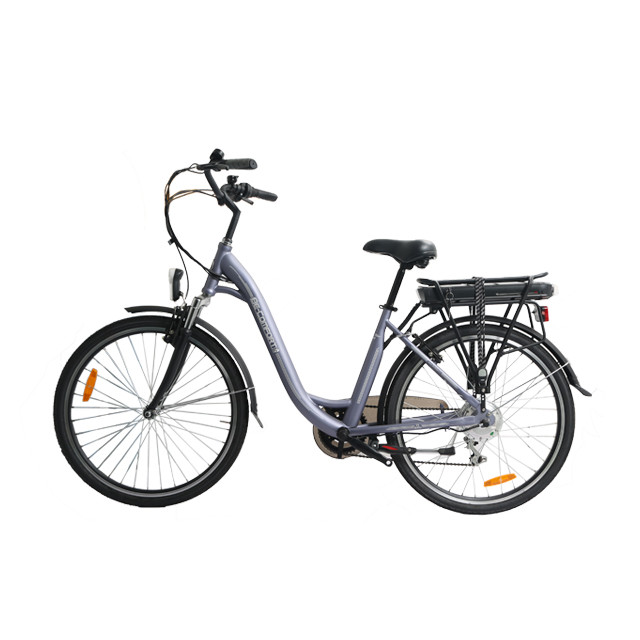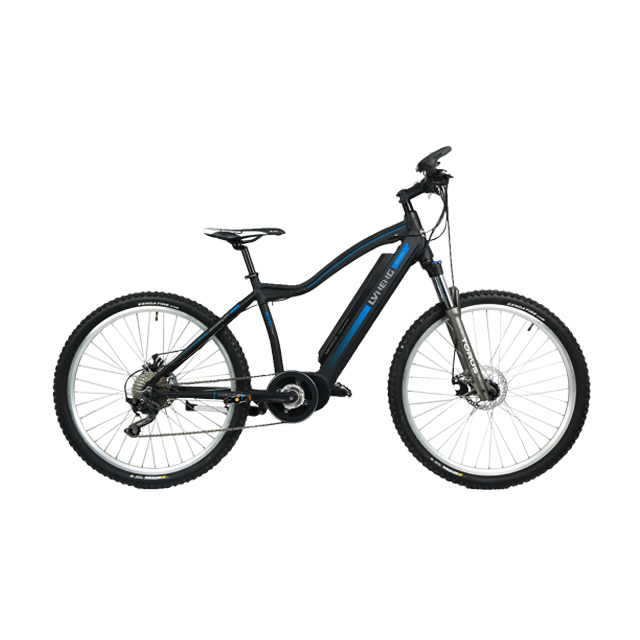



-
414 Block B, ZT Times Plaza, Wuhan, Hubei, China

Blog
Compact City e-Bikes Are in High Demand
The headline “B2B Trends: Compact City e-Bikes In High Demand” sounds clean and simple. The market behind it isn’t. Cities are tighter, delivery windows are shorter, riders are less patient, and dealers don’t want dead stock eating floor space while everyone pretends a bulky “do-everything” model can solve every urban problem. It can’t. Usually.
What keeps showing up, again and again, is the same pattern: compact and urban e-bikes are getting stronger demand because they fit real city behavior better than oversized platforms do. Public transport links matter. Elevator access matters. Storage matters. Turn radius matters too, honestly—anyone who’s tried to wrestle a heavy bike through a narrow hallway already knows that. One market report says city/urban models held 76.05% of global e-bike market share in 2025. That’s not some side category for brands to test and forget. It’s the core shelf. (bike-eu.com)
And from a wholesale view? It gets even more practical. Importers, fleet buyers, and OEM partners aren’t asking, “Do riders like urban bikes?” That question is already old. They’re asking which platform moves faster, causes fewer warranty headaches, fits a cleaner SKU matrix, and doesn’t create service chaos three months after launch. I frankly believe that’s why a supplier like Urban M makes sense in this conversation—OEM/ODM flexibility, custom frame and motor specs, IoT diagnostics, bulk support, the stuff buyers actually care about once the showroom talk is over. (ezbke.com)
Compact City e-Bikes
But here’s the ugly truth: people don’t wake up wanting “smart mobility solutions.” They want a bike that fits their life without making every trip feel like a workaround. That’s why compact city e-bikes are landing so well. They fit apartments. They fit mixed commutes. They fit office corners, train station routines, and those annoying short-hop city trips where a car feels dumb and walking feels too slow. Bike Europe says compact and urban models are expanding because they work better in dense environments and connect well with public transport. Which, yes, sounds obvious. But obvious wins markets all the time. (bike-eu.com)
From the B2B side, the logic is even less romantic. Dealers want better sell-through. Fleet operators want less downtime. Importers want simpler range planning and fewer oddball SKUs that sit around doing nothing. A compact commuter model usually gives them that. A bloated all-rounder? Not always. Sometimes it just creates more sales friction, more comparison confusion, more “maybe later” from buyers who actually needed something straightforward. That’s one big reason the folding commuter segment keeps showing up in urban product strategy. It’s not hype. It’s fit. (mordorintelligence.com)
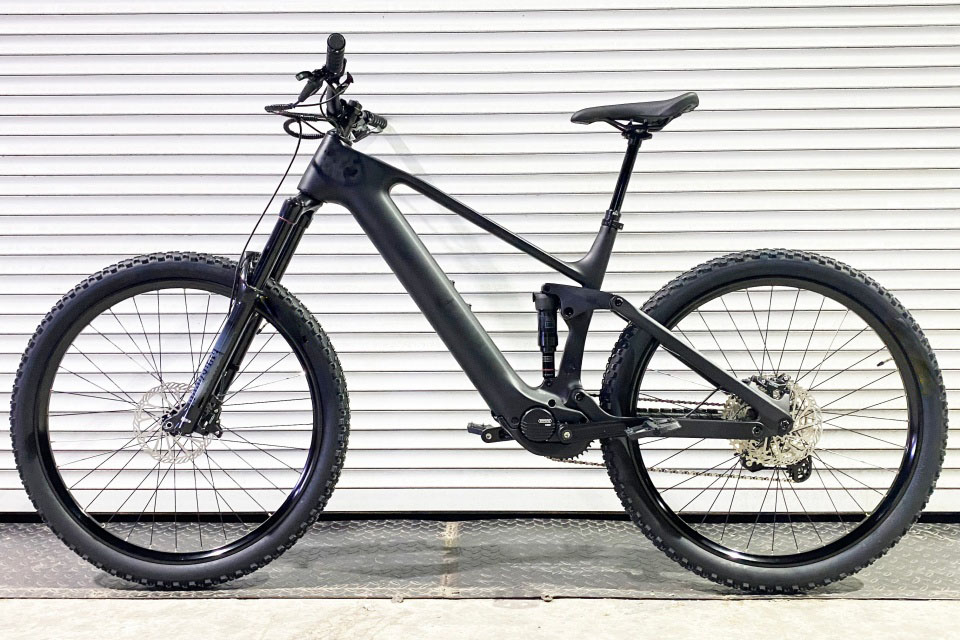
Concrete Arguments and Source Table
| Keyword | Specific argument | Why it matters for B2B buyers | Source |
|---|---|---|---|
| Compact City e-Bikes | Demand is rising because riders need practical bikes for dense city travel and public transport connections. | Better sell-through in urban channels, commuter retail, and rental programs. | Bike Europe; Mordor Intelligence (bike-eu.com) |
| City/Urban Bikes | City/urban models held 76.05% of market share in 2025. | Buyers should not treat urban bikes as side SKUs. They are core assortment. | Mordor Intelligence (mordorintelligence.com) |
| Open System Architecture | Brands want modular, open systems tailored to product design and rider experience. | Easier OEM/ODM work, cleaner spec control, better line differentiation. | Bike Europe (bike-eu.com) |
| Connectivity Solutions | Connectivity is becoming the standard for mid-range and high-end e-bikes. | Better fleet uptime, remote diagnostics, anti-theft, and service planning. | Bike Europe Online Magazine; EZBKE (onlinemagazine.bike-eu.com) |
| Car Trip Replacement | E-bike rides replaced 1,778 motor vehicle miles in one survey, averaging 9.3 miles per trip. | Strong use case for commuter, campus, and local delivery programs. | PeopleForBikes (peopleforbikes.org) |
| Folding Electric Commuter City Bicycle | Compact folding bikes suit commuters and delivery services that need portable, customizable units. | Easier last-mile fit, easier storage, easier channel pitching. | EZBKE F20; EZBKE urban markets article (ezbke.com) |
| Electric Cargo Bike | Cargo models answer urban delivery, logistics, and family transport use cases. | Strong fleet value, better basket size, more real-world utility. | EZBKE cargo product pages (ezbke.com) |
That table matters because it strips the fluff out. No grand claims. Just a simple read: compact city bikes match the street better, so they’re easier to sell, easier to deploy, and easier to slot into repeatable business scenarios. In bike trade language, that means better channel fit and fewer awkward conversations later. Pretty much.
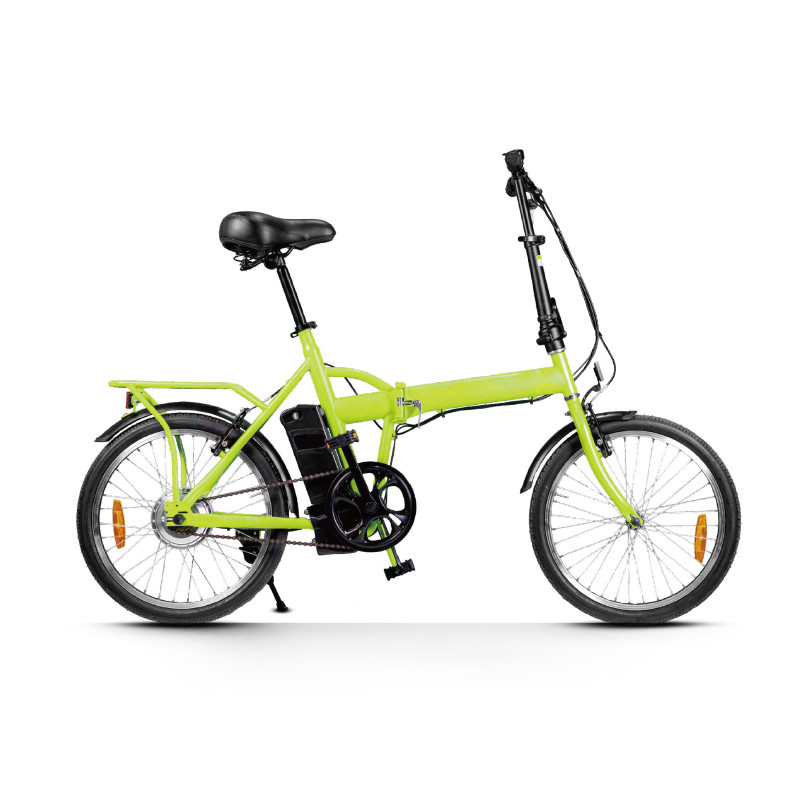
Folding Electric Commuter City Bicycle
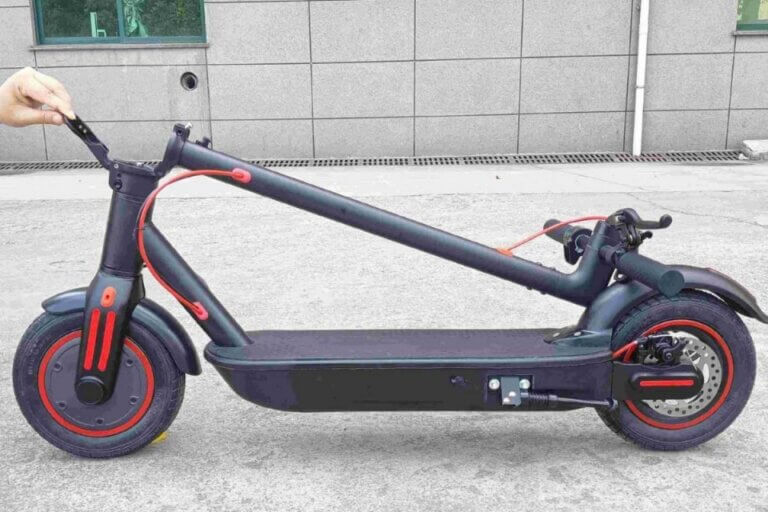
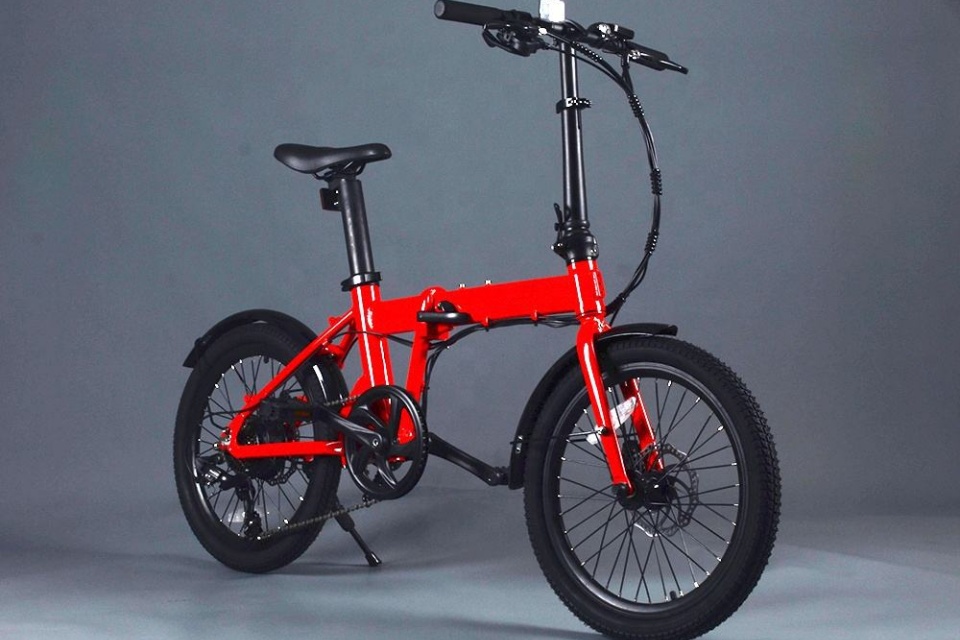
A folding commuter bike isn’t just a smaller unit in the catalog. It’s a problem-solver SKU. Different thing. It helps brands cover train-to-office commuting, apartment storage, hotel and campus rental, light delivery, and even those weird in-between use cases that sales teams often struggle to explain until a buyer sees one folded in front of them and goes, “Oh. Got it.”
EZBKE’s F20 small folding electric commuter city bicycle wholesaler page says the model is aimed at businesses serving eco-conscious commuters and delivery operators that need compact, customizable units. That positioning makes sense. The 20-inch folding frame, 22 kg net weight, and easy-carry angle all line up with actual urban pain points—not made-up ones. A rider can carry it upstairs. Store it under a desk. Tuck it into tighter spaces without turning the whole thing into a daily wrestling match. That’s real value, and sales teams can pitch it fast because the use case is instantly visible. (ezbke.com)
And then there’s the supply-chain side, which almost nobody talks about in public copy because it sounds boring, but buyers absolutely care. Compact products help container cube. They reduce awkward packaging. They ease warehouse pressure. They make floor planning less messy. Not glamorous. Still important. From my experience, a product that saves trouble both in transit and on the shop floor tends to survive longer in a line than one that only looks good in a hero shot.
Electric Cargo Bike
Yet urban demand isn’t only about commuters in slim backpacks heading to the office. It’s also about families, neighborhood delivery, service crews, campus ops, local retail distribution, and short-range logistics where a van is overkill but a regular bike can’t carry enough to be useful. That’s where cargo models stop looking “specialized” and start looking inevitable.
PeopleForBikes notes that e-bikes are replacing car trips, and that’s a big clue. When the market starts substituting for cars—not just regular bicycles—you get a different buying conversation. More utility. More daily mileage. More emphasis on load stability, battery continuity, and serviceability. That’s why cargo units keep picking up attention in urban channels. They aren’t side-show products anymore. They’re work tools. (peopleforbikes.org)
350W Electric Cargo Bike with Dual Battery & Heavy-Duty Rack
The 350W Electric Cargo Bike with Dual Battery & Heavy-Duty Rack is a strong example of that shift. EZBKE positions it for logistics, delivery, and urban transport, which already tells you where it belongs in the market. But the more useful part is the hardware mix: Bafang mid-drive motor, front and rear racks, dual-battery options, and a pedal-assist range reaching up to 160 km. That’s not brochure filler. That’s route coverage. (ezbke.com)
For a B2B buyer, the appeal is pretty direct. Better range means fewer interruptions in high-frequency city use. Rack capacity means the bike can actually do the job instead of just looking rugged online. Mid-drive spec also helps when the route isn’t perfectly flat and the payload isn’t perfectly light—which, let’s be honest, is most of the time in real operations. So the pitch becomes simple: this isn’t a lifestyle prop, it’s a working platform. Big difference.
750W 3-Wheel Electric Cargo Bike with Large Front Box
The 750W 3-Wheel Electric Cargo Bike with Large Front Box takes the utility angle even further. EZBKE presents it as a stable option for urban delivery and family transport, with a large front box, 60 km range, and CE/FCC certification. On paper, that’s solid. In the street, the more important thing is low-speed stability and easy load handling—because that’s where three-wheel cargo designs really earn their keep. (ezbke.com)
Will every market need a three-wheel unit? No. Of course not. But in food service, local retail drops, campus movement, neighborhood logistics, and short-hop utility work, it can make a ton of sense. Riders don’t always want peak speed. Sometimes they want confidence when the box is full and the route is messy. That’s the part outsider copy often misses.
OEM / ODM Electric Bike
Here’s where the conversation gets very B2B, very fast. OEM / ODM electric bike demand stays strong because buyers usually don’t want a fixed product dropped on their desk with no room to tune it. They want control—frame style, motor choice, battery format, packaging logic, local compliance fit, branding, the whole stack. Bike Europe says manufacturers are moving toward modular, open systems that can be adapted to brand needs. That tracks with what buyers already ask for in the field. Nobody wants to inherit someone else’s spec mistakes. (bike-eu.com)
EZBKE’s offer lines up well here: custom frame and motor specs, cold-climate sodium battery options, IoT diagnostics, and bulk production support. That matters because it gives distributors and private-label buyers room to build a cleaner range architecture instead of forcing one global template into every market. Better channel fit. Better line planning. Less deadweight. It’s not flashy, but this is the stuff that keeps programs alive after launch.
The C02 fast 30 mph mid drive electric bicycle manufacturer page adds a useful angle too. It frames the model as bulk-friendly, with compact packaging, global voltage compatibility, Shimano gears, lights, and easy pedal assist. That’s the kind of spec bundle buyers like because it reduces onboarding friction before the bike even lands in-store. Service teams get a simpler handoff. Importers get fewer surprises. Dealers get a product that’s easier to explain without turning every sales chat into a seminar. (ezbke.com)
Connectivity, IoT Diagnostics, and Remote Fault Detection
But the hardware story alone isn’t enough anymore. That chapter’s moving on. One of the stronger market signals right now is connectivity solutions—not as a gimmick, but as a baseline expectation for better bikes and better programs. Bike Europe Online Magazine says connectivity is becoming the new standard for mid-range and high-end e-bikes because it improves safety, security, and usage insight. EZBKE says it supports IoT diagnostics and remote fault detection. Put those together and the direction is pretty obvious. (onlinemagazine.bike-eu.com)
In plain English, this helps with one ugly operational pain point: service drag. A failed bike is annoying, sure. A bike that takes forever to diagnose is worse. Fleet teams care about MTTR. Dealers care about repeat warranty tickets. Operators care about uptime, asset traceability, and catching issues before they spiral into expensive nonsense. So yes, connectivity can sound like a feature on a slide deck. In the trenches, it’s an after-sales tool, a service accelerator, and sometimes a margin saver. That’s a different level of value.
Urban M Electric Bike Models and Urban Use Scenarios
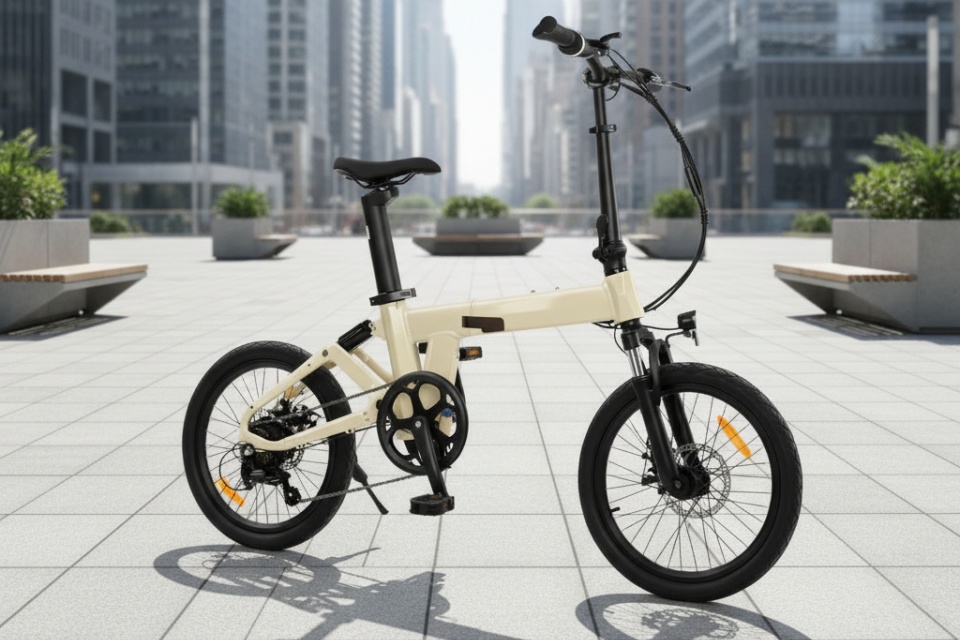
If you look at the Urban M lineup through that lens, the fit is actually pretty clean. The F20 works for folding commuter demand and tight-space urban riding. The 350W cargo bike covers delivery and urban utility. The 750W 3-wheel cargo bike fits heavier local transport jobs. And the C02 gives buyers a city-facing model with compact packaging and commuter-ready features. Not bad at all.
EZBKE’s own urban markets article also positions the brand as an OEM/ODM electric bike supplier with custom specs, IoT support, and scale production. That matters because it lets Urban M speak to more than one buyer profile at once—wholesalers, fleet operators, private-label programs, maybe even city-linked projects depending on the spec brief. One line. Several lanes.
Compact City e-Bikes for B2B Buyers
So what’s the takeaway? Honestly, it’s pretty simple. Compact city e-bikes are in high demand because they fit how cities actually move. Not how brochures pretend cities move. They work for commuting, train links, apartments, service fleets, family errands, and local delivery. They also make upstream business sense—better container efficiency, cleaner assortment planning, easier channel segmentation, and less operational drag.
That’s why the category keeps gaining ground. The market data supports it. The use cases support it. And the Urban M lineup already points in that direction without needing a forced story wrapped around it. Buyers don’t need magic. They need products that fit the street, fit the program, and fit the margin structure well enough to keep selling after the first PO. That’s the real thing.