


-
414 Block B, ZT Times Plaza, Wuhan, Hubei, China

Blog
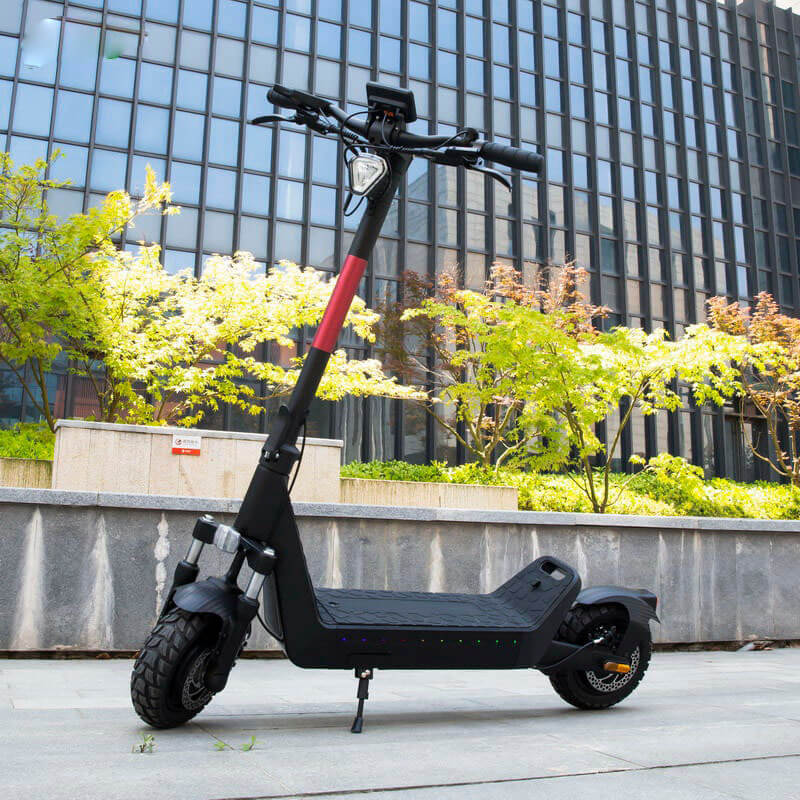
Building a Kick Scooter Brand With Ezbke OEM Support
If you want to build a kick scooter brand, don’t start with a logo file. Start with the stuff buyers really feel after the first shipment: compliance, spare parts, QC, and whether your OEM can keep the same spec from batch one to batch ten. That sounds a bit boring, sure. But boring is what keeps returns low and dealers calm. EZBKE’s own related posts say this pretty clearly, and the public product pages back it up with a wide Electric Kick Scooter lineup, OEM/ODM support, IP54 language, and UL-focused messaging. (ezbke.com)
Related Posts That Shape the Argument
| Related post / page | What it adds to the argument | Why it matters for a new brand |
|---|---|---|
| Why Ezbke Is the Smart OEM Choice for Kick Scooters | Puts BOM control, inspection, traceability, and after-sales at the center | Shows that brand building is really risk control |
| What Makes a Scooter OEM Worth Partnering With? | Breaks OEM value into compliance, QC, and scale | Gives a clean buyer-side framework |
| Best Foldable Scooter Features That Boost Sales | Connects features to buyer pain points | Turns spec sheets into sales language |
| The Best Electric Kick Scooters for College Campuses | Shows how product choice changes by scenario | Useful for campus, fleet, and dealer pitches |
| Electric Kick Scooter category page | Shows public positioning: IP54, UL-certified batteries, OEM/ODM | This is the “front door” of the brand story |
| Urbanm G1 / H1 / M365 / X3 / GS1-Pro / 4000W product pages | Gives actual SKU ladder and use-fit | Helps you build a product mix, not just one hero model |
Source note: the table above is based on EZBKE’s related articles, category page, and public product pages. (ezbke.com)
Why Ezbke Is the Smart OEM Choice for Kick Scooters
The strongest point in the EZBKE content is simple: you’re not buying “a scooter.” You’re buying a risk profile. That line matters because it flips the conversation from cheap sourcing to long-term brand survival. A real OEM partner helps you survive retailer audits, battery paperwork checks, warranty claims, and that ugly moment when a customer asks for traceability on a bad batch. EZBKE’s article says exactly that, and its Electric Kick Scooter page supports the same angle with industrial-frame language, worldwide shipping, wholesale terms, and custom branding/OEM/ODM support. (ezbke.com)
Product reality: specs written for B2B pain, not hobby vibes
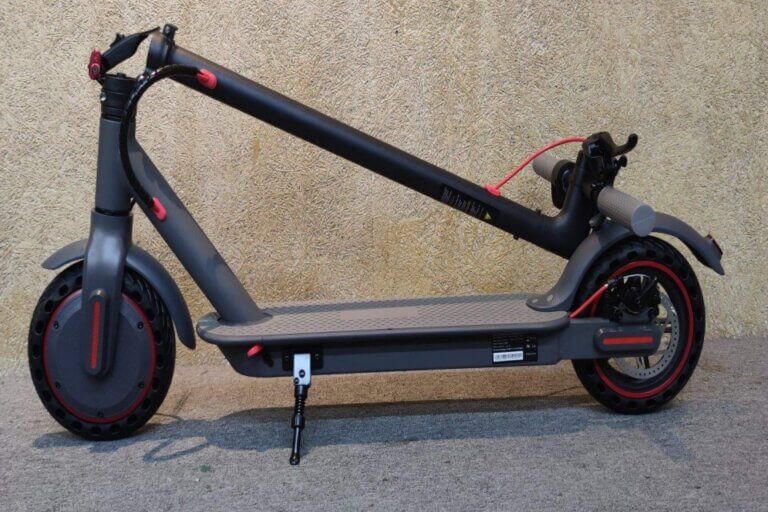
This is where the site gets useful. The lineup is not one-size-fits-all. The H1 is a light commuter piece with an aluminum alloy frame, 15–20 km range, 8 kg net weight, and solid tires for low-maintenance short routes. The M365 gives a stronger commuter setup with a 350W motor, three battery options, up to 30 km range, and CE/FCC/ROHS certifications. The X3 pushes into longer daily use with a 350W motor, 25–40 km per charge, 10-inch pneumatic tires, EABS plus disc braking, and fold-and-go utility. Then Urban M enters the chat through the Urbanm G1, which adds more power, 40–60 km range, a 150 kg max load, and a faster, more aggressive feel for commuter fleets or higher-end retail. That’s not random. That’s a catalog ladder. And that kind of ladder sells better because dealers don’t wanna explain seven almost-same scooters. (ezbke.com)
Electric Kick Scooter: Feature-to-Value Table
| Argument title | Public proof from EZBKE pages | What it means in plain English | Source title |
|---|---|---|---|
| Compliance-first positioning | Electric Kick Scooter page highlights IP54-rated durability and UL-certified batteries | The brand story starts with safety and market access, not hype | Electric Kick Scooter |
| Real SKU ladder | H1, M365, X3, GS1/GS1-Pro, Urbanm G1, 4000W dual motor | You can cover entry commuter, heavy-use, long-range, and halo performance with one supplier | Product category + product pages |
| Fleet and dealer fit | OEM/ODM, wholesale pricing, custom branding, bulk language across pages | This isn’t only DTC copy; it’s channel-ready copy | Category page + related posts |
| Feature-to-pain mapping | Foldability, quick charge, dual braking, lights, solid tires, IP54 | Good pages solve rider headaches before they list speed | Best Foldable Scooter Features That Boost Sales |
| After-sales logic | Parts support, RMA workflow, spare kit logic in related posts | The real brand test starts after delivery | What Makes a Scooter OEM Worth Partnering With? |
Source note: the proof points in this table come from EZBKE’s Electric Kick Scooter category page, model pages, and related blog posts. (ezbke.com)
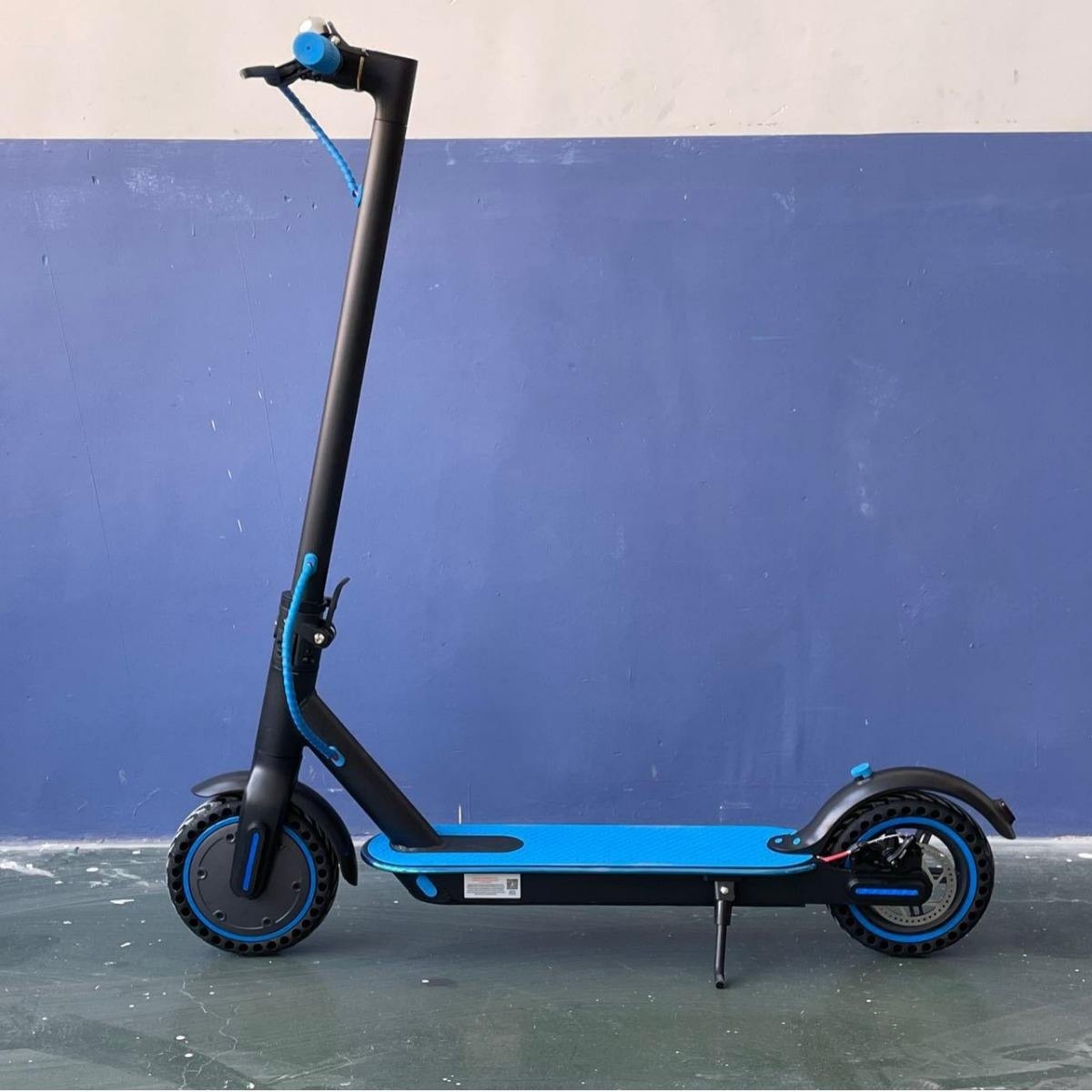
What Makes a Scooter OEM Worth Partnering With?
EZBKE’s second strong argument is even more practical. A partner-grade OEM does three things well: it keeps you shippable, keeps you consistent, and keeps you scalable. That framework works because it matches what real importers, distributors, and project buyers ask on day one. Can this ship clean? Can this batch stay stable? Can this line grow without mixed parts and messy warranty cases? That’s the whole ball game, honestly. (ezbke.com)
AQL sampling plan and pre-shipment inspection checklist
This part is easy to skip when sales are hot. It’s also where brands get burned. EZBKE’s OEM article talks about AQL sampling, defect definitions, torque marks, functional checks, and stable pre-shipment inspection steps. That kind of process matters once units hit the street. A scooter can look fine in a carton and still squeak, loosen, or fail braking checks after a short time if QC is loose. If you’re selling something like GS1/GS1-Pro into heavier daily-rider or rental use, weak inspection will come back as refunds, not opinions. (ezbke.com)
Corrective and Preventive Action (CAPA) and 8D problem solving
Here’s a hard truth: every factory says quality is important. The better question is what happens when a batch goes sideways. EZBKE’s post leans on CAPA and 8D language, which is actually the right kind of factory talk. If a folding stem develops play, you don’t want “we tightened it” and a smile. You want root cause, line change, and proof the fix sticks. That’s the difference between a supplier and a partner. Small line drift on a commuter product can become a big after-sales mess real quick. (ezbke.com)
BOM freeze, engineering change control, and ODM customization
This one is pure B2B pain. Everybody loves saying OEM/ODM. Fewer people run change control well. EZBKE directly talks about BOM freeze, ECO/ECN discipline, and sample approval tied to mass production. That matters a lot if you’re building a branded city line and want consistent ride feel, stable folding, and matching parts across future orders. It also matters if you want to place Urban M naturally as the performance face of the range. A model like Urbanm G1 can work as the halo SKU, while H1, M365, and X3 do the everyday volume. But that only works if the parts, tuning, and revisions stay under control. If not, your catalog starts arguing with itself. (ezbke.com)
Real-world scenarios that close deals
A kick scooter brand gets stronger when it speaks in scenarios, not only in specs. EZBKE’s foldable scooter article does this well. The last-mile commuter wants one-move fold, low downtime, lights, weather tolerance, and easy carry into offices or apartments. That makes H1 and M365 sensible volume models. The light-duty courier or fast commuter wants more range, more brake confidence, and less puncture drama. That’s where X3 and Urbanm G1 fit better. A campus buyer or property operator wants speed discipline, parking logic, and parts support, not a race machine. EZBKE’s campus article leans into exactly that kind of use-based thinking. (ezbke.com)
| SKU | Best-fit scenario | Public spec signals | Brand role |
|---|---|---|---|
| H1 foldable electric scooter for adults for commuting factory | Short commute, indoor storage, staff mobility | 150W, 15–20 km, 8 kg, solid tires, 2–4 h charge | Entry commuter |
| M365 lightweight fast electric scooter for adults 20 mph factory | Daily city ride, retail starter model, staff fleets | 350W, up to 30 km, 120 kg load, CE/FCC/ROHS | Mass-market commuter |
| X3 long range electric folding scooter for adults wholesaler | Longer routes, mixed commute, apartment users | 350W, 25–40 km, 10-inch pneumatic tires, EABS + disc | Long-range commuter |
| Urbanm G1 electric scooter foldable 40 mph manufacturer | Premium commuter, fast fleet, stronger brand image | 500W, 40–60 km, 150 kg load, disc brake, foldable | Urban M halo SKU |
| 4000W Dual Motor Electric Kick Scooter with 100km Range | Performance niche, steep routes, fleet showcase | dual motors, up to 75 km/h, 100 km max range | Performance flagship |
Source note: all model data in this table comes from EZBKE’s public product pages. (ezbke.com)
UL 2272, UL 2271, and CPSC micromobility safety
This is where the article gets more credible than a normal factory post. UL says ANSI/CAN/UL 2272 covers the electrical drive train, battery system, and charger system combinations for personal e-mobility devices such as e-scooters. New York City’s inspection checklist says powered mobility devices must be certified to UL 2272, storage batteries must be certified to UL 2271, online product pages must show the certification or testing-lab mark, and sellers must maintain proof of certification. On top of that, CPSC warned that incompatible “universal” chargers can ignite batteries and said it received 156 reports of fire and thermal incidents involving such chargers between January 1, 2023 and May 16, 2024. So yeah, charger matching, battery paperwork, and compliance copy are not side notes. They are part of the brand promise now.
Closing thought
There’s still room to build a kick scooter brand. The global market is growing, and buyers still want short-trip, low-ops, portable mobility. But the easy days are gone. A brand has to be sellable, serviceable, and cert-ready at the same time. EZBKE’s strongest related content keeps coming back to that same point: build around compliance, QC, spare parts, and clear SKU roles. Then use models like H1, M365, X3, and Urban M’s G1 in the right lanes. That’s how a brand feels more real, more useful, and less likely to break under its own first orders.