


-
414 Block B, ZT Times Plaza, Wuhan, Hubei, China

Blog
Are Women Driving Growth in Electric Motorcycle Sales?
A buyer once told me, half joking, half tired, that most electric mobility articles read like they were written by someone who has never dealt with delayed containers, battery warranty fights, or a dealer asking why two “same spec” units don’t pull the same way uphill. He wasn’t wrong. That’s why this topic matters.
And yeah, it matters now.
The headline “Are Women Driving Growth In Electric Motorcycle Sales?” sounds a little too neat at first. Like the kind of line people use because it travels well on LinkedIn. But markets are messy. People buy for weird, practical, human reasons. They don’t buy because a trend forecast told them to.
Still, something is changing.
Women riders are showing up more. Not a little. More. At the same time, electric two- and three-wheelers already fit the kind of urban grind where the real volume sits—short commutes, delivery loops, rental fleets, campus runs, quick city hops, traffic-heavy routes where a bulky ICE setup feels dumb and expensive to keep moving. That overlap? That’s where the story gets interesting.
Not the slogans.
I frankly believe too many brands still misread this shift. They think it’s about image. Softer campaigns. Lifestyle shots. Maybe a few “inclusive” visuals and call it a day. Here’s the ugly truth: growth comes when the machine fits the ride, when the pack strategy isn’t a pain, when the after-sales side doesn’t become a dumpster fire, and when the SKU stack actually makes sense for the route profile. That’s what moves units.
Usually.
Women Riders: The Fastest-Growing Motorcycle Market Segment
But let’s not pretend this is just a vibe. There’s data behind it.
CSM International says women riders are now the fastest-growing motorcycle market segment. Its 2024 analysis says the share of women motorcycle owners has more than doubled over the past decade, with especially strong growth in urban areas and among riders aged 25–40. A Lightning Motorcycles post pushed the same idea even further, arguing that women will help move the electric motorcycle market forward.
That lines up with what a lot of people in the channel already feel in the field. Not in a dramatic, overnight way. More like this: a few more inquiries, a broader retail profile, less macho-spec talk, more questions about seat height, route comfort, ease of charging, brake confidence, weather handling, parking, maneuverability in traffic. Little signals. Then the mix shifts.
Quietly.
And that’s the part outsiders miss. Women riders aren’t just adding volume. They’re also changing what “good product fit” looks like. The demand curve starts favoring machines that are easy to live with, not just flashy on paper. That’s a very different market logic from the old “bigger motor, bigger ego” playbook.
Which, honestly, was overdue.
Electric Two- and Three-Wheelers: Why the Category Fits Urban Mobility
Yet the bigger point isn’t only about who is buying. It’s about what kind of vehicle matches the buying pattern.
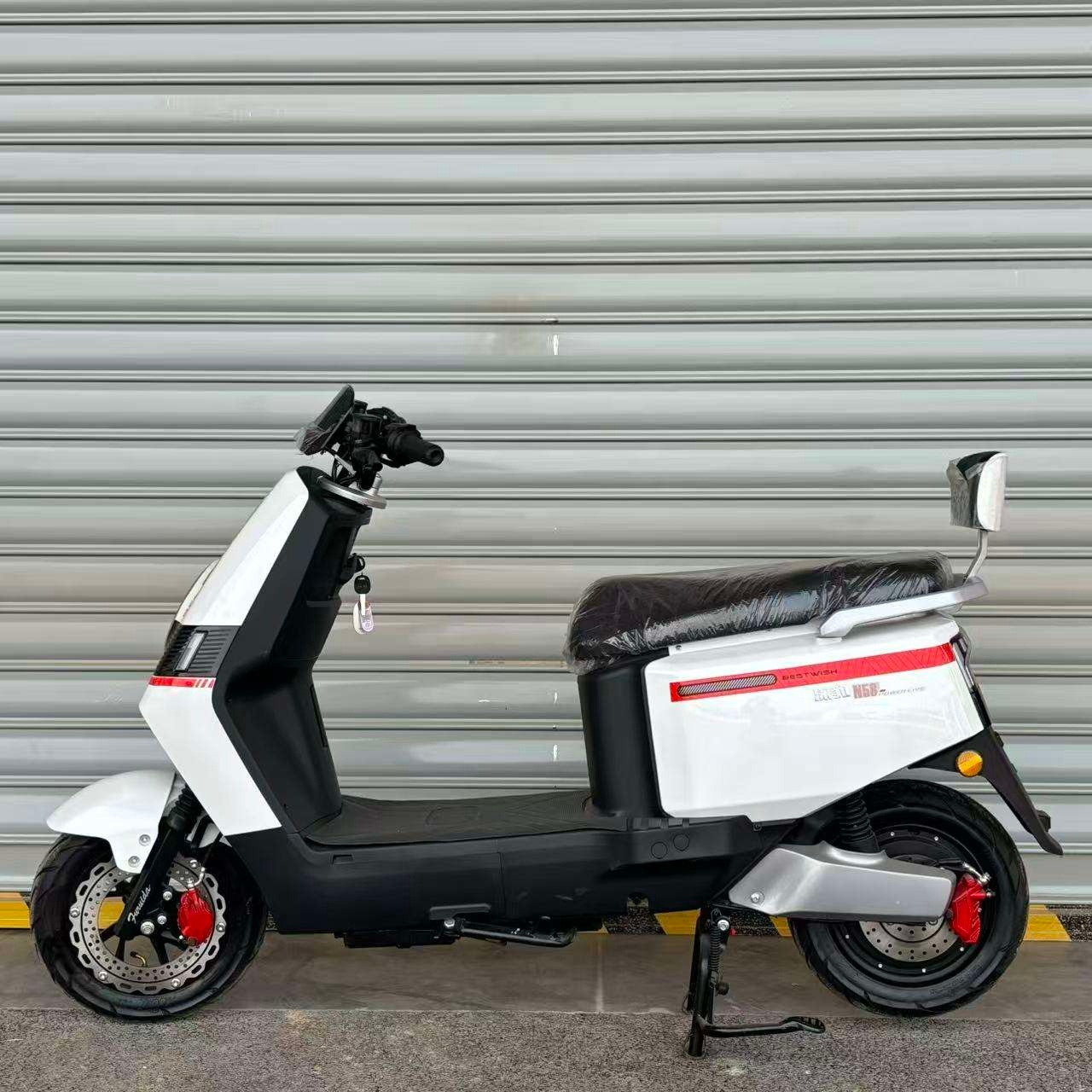
The IEA says electric two- and three-wheelers stayed the most electrified road transport segment in 2024. Global electric sales share stayed around 15%, and total sales reached about 10 million. The same report says these vehicles stand out because they are one of the most affordable and accessible entry points into electric mobility. Removable batteries, home charging, and battery swapping make them especially useful for dense cities, delivery work, and short daily trips.
So when someone asks, “Are women driving electric motorcycle growth?” my answer is: yes, partly—but that’s not the whole play. What’s really happening is that a growing rider segment is lining up with a product category that already makes brutal practical sense for urban mobility. That’s the fit. That’s the leverage. That’s where things get commercial.
Not theoretical.
A ride-hailing study from Indonesia makes the same point from another angle. It found that electric motorcycle adoption depends heavily on purchase price, range, rental fees, and battery exchange distance. It also found that renting can be more attractive than owning for many riders. So the market isn’t just asking, “Is electric interesting?” It’s asking, “Does this thing work in my daily route and ops model?” That’s a very different question.
And from my experience, that’s the exact question serious buyers ask first. Not branding. Not hype. They ask about the ugly back-end stuff—real range under stop-start conditions, swap convenience, controller behavior, homologation paperwork, service intervals, failure rate, claims handling, connector consistency, whether the BOM is stable or still floating around like a moving target. That’s real buyer language.
The rest is wallpaper.
Related Articles and Source-Based Arguments
| Source | Specific argument | Why it matters |
|---|---|---|
| CSM International | Women riders are the fastest-growing motorcycle segment, with strong growth in urban areas and ages 25–40. | This supports the core claim that women are not a side audience anymore. |
| IEA Global EV Outlook 2025 | Electric 2/3-wheelers stayed at about 15% sales share in 2024 and remain the most electrified transport segment. | The category already has scale and strong city-use logic. |
| WE2 report | Women’s E2W uptake depends on vehicle design, financing, training/licensing, charging infrastructure, and institutional support. | Demand grows faster when barriers drop. |
| MDPI ride-hailing study | Range, price, rental fees, and battery-swap distance strongly shape adoption. | Buyers care about duty cycle, not brochure fluff. |
| UNEP case study | Programs in Africa have trained more than 100 women as electric motorcycle operators, mechanics, and entrepreneurs. | Women are not only buyers. They are also entering the operating and service side of the market. |
Financing, Charging Infrastructure, and Driver Training Still Decide Adoption
However, here’s where the whole conversation gets less shiny and more useful.
The WE2 research on women’s use of electric two-wheelers in India says the real friction points are not image or interest. The report identifies five key entry points: vehicle design, financing, driver training and licencing, charging infrastructure, and institutional support. It also shows that women remain under-represented in licences and delivery work, even while the market itself keeps expanding.
That tells you something important. Interest alone doesn’t close deals. Access does. Infrastructure does. Financing structure does. Training does. And if any one of those breaks down, demand leaks out before it ever becomes repeatable sales.
That’s the ugly part.
A lot of suppliers still think the market can be won with headline specs—top speed, max range, a cleaner dash, maybe a Bosch motor name-drop and some polished factory shots. But when the rubber meets the road, buyers start talking about charger turnaround, pack removability, waterproofing, CBS feel, claim ratios, carton drop damage, replacement lead times, and whether the unit can survive real urban abuse without turning into a service sink. That’s not glamorous. It is, however, the whole game.
And women riders entering the market in bigger numbers only makes that more obvious.
Why? Because broader rider adoption exposes weak product decisions faster. If a machine only works for a narrow, forgiving user profile, it won’t scale. Once you sell into more varied daily-use scenarios—commuting, errands, rentals, campus, light commercial runs—the cracks show up quick. Geometry matters. Weight distribution matters. Pack handling matters. Confidence matters. Little things become deal-breakers.
Fast.
Electric Motorcycle for Urban Mobility: What This Means for EZBKE and Urban M
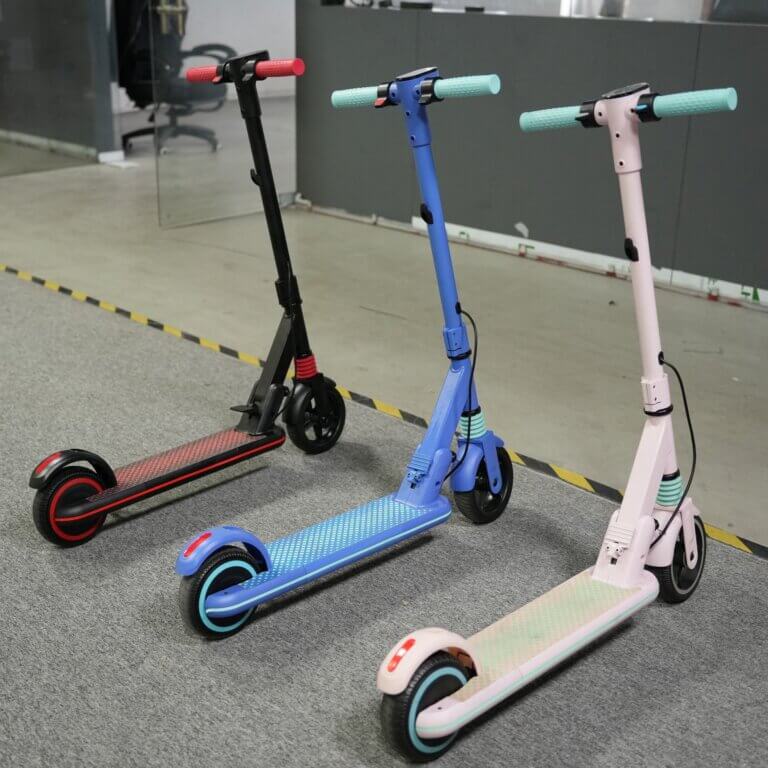
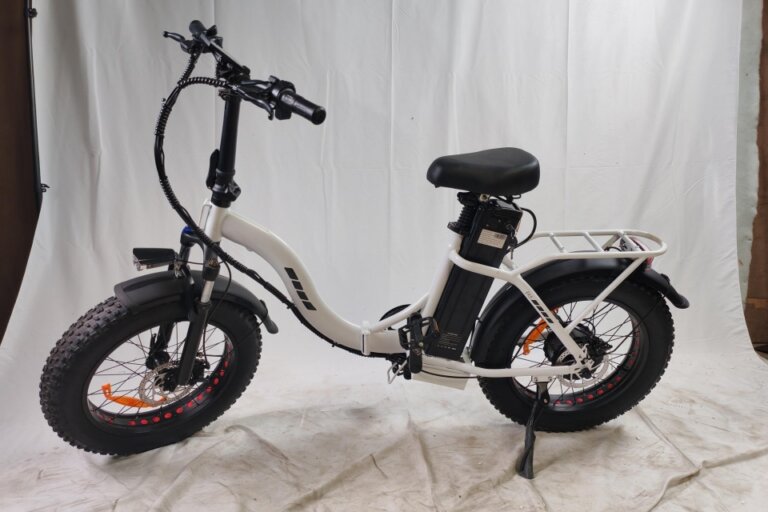
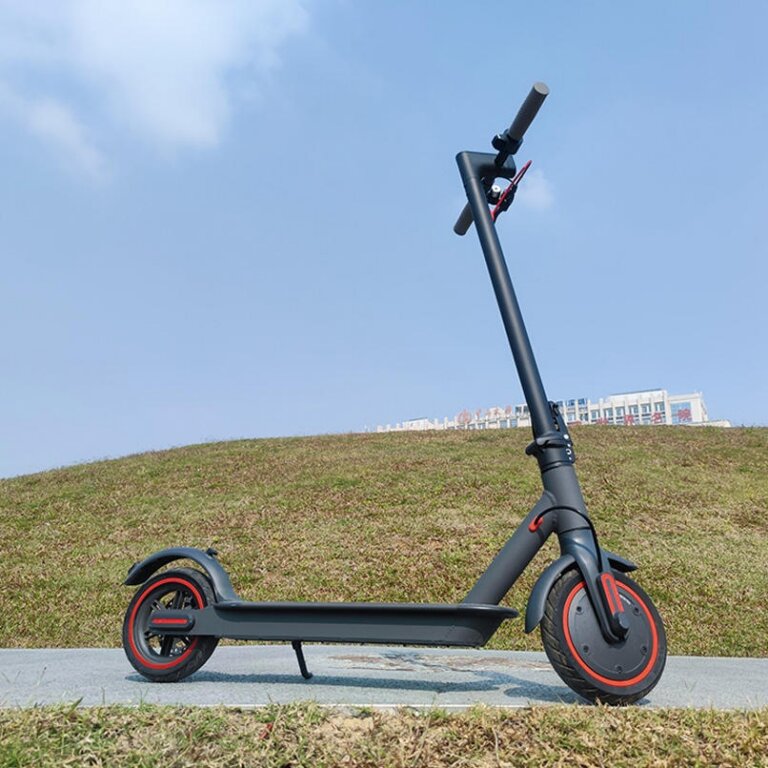
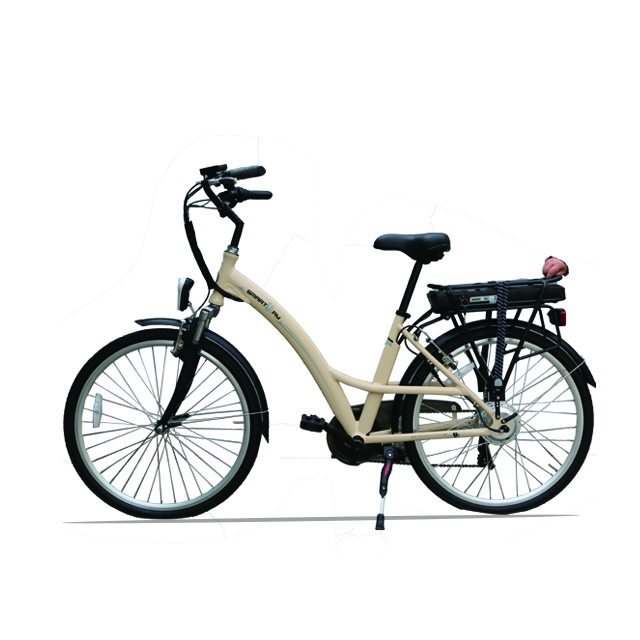
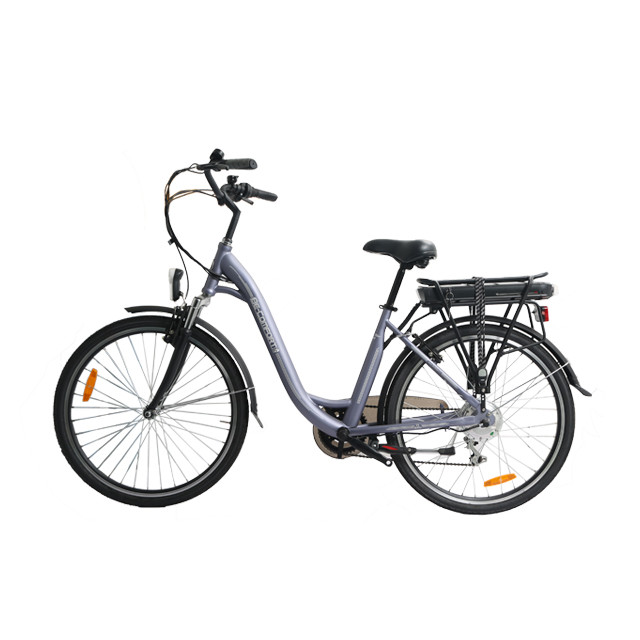
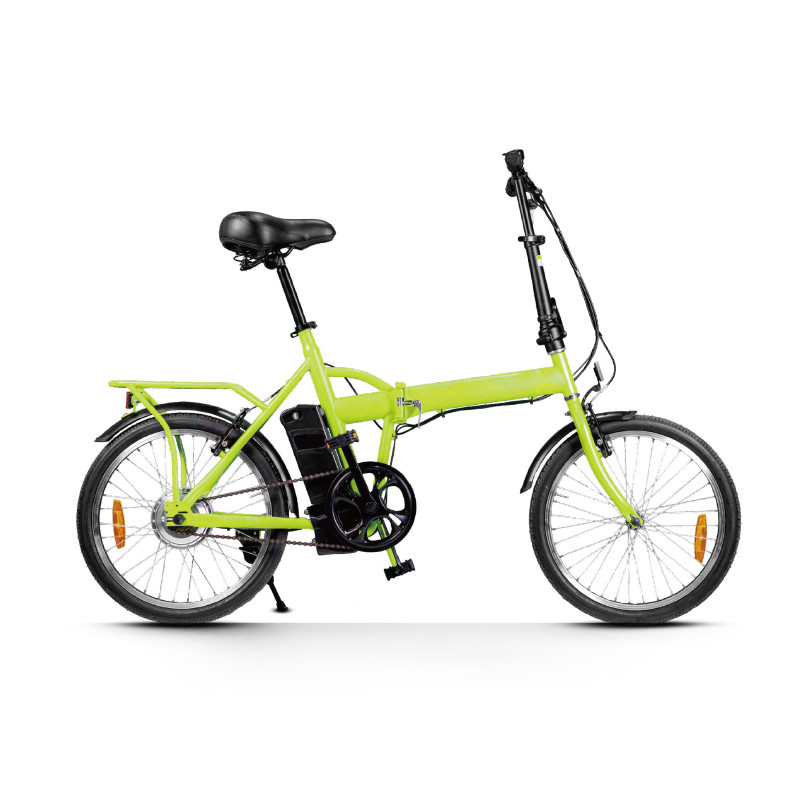
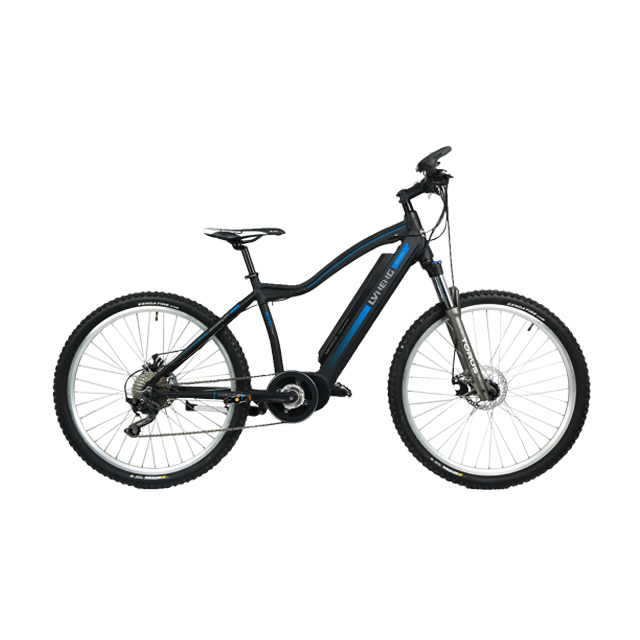
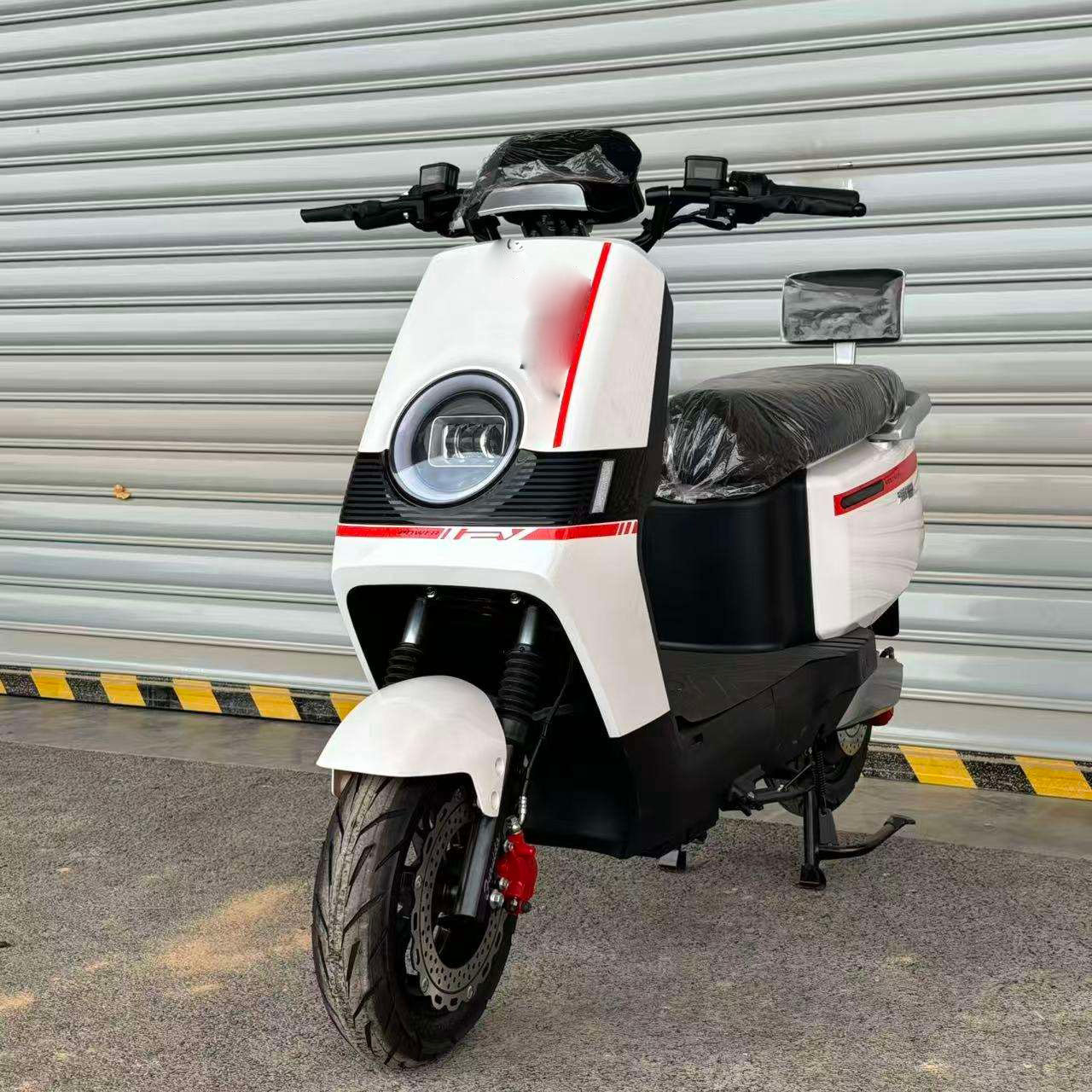
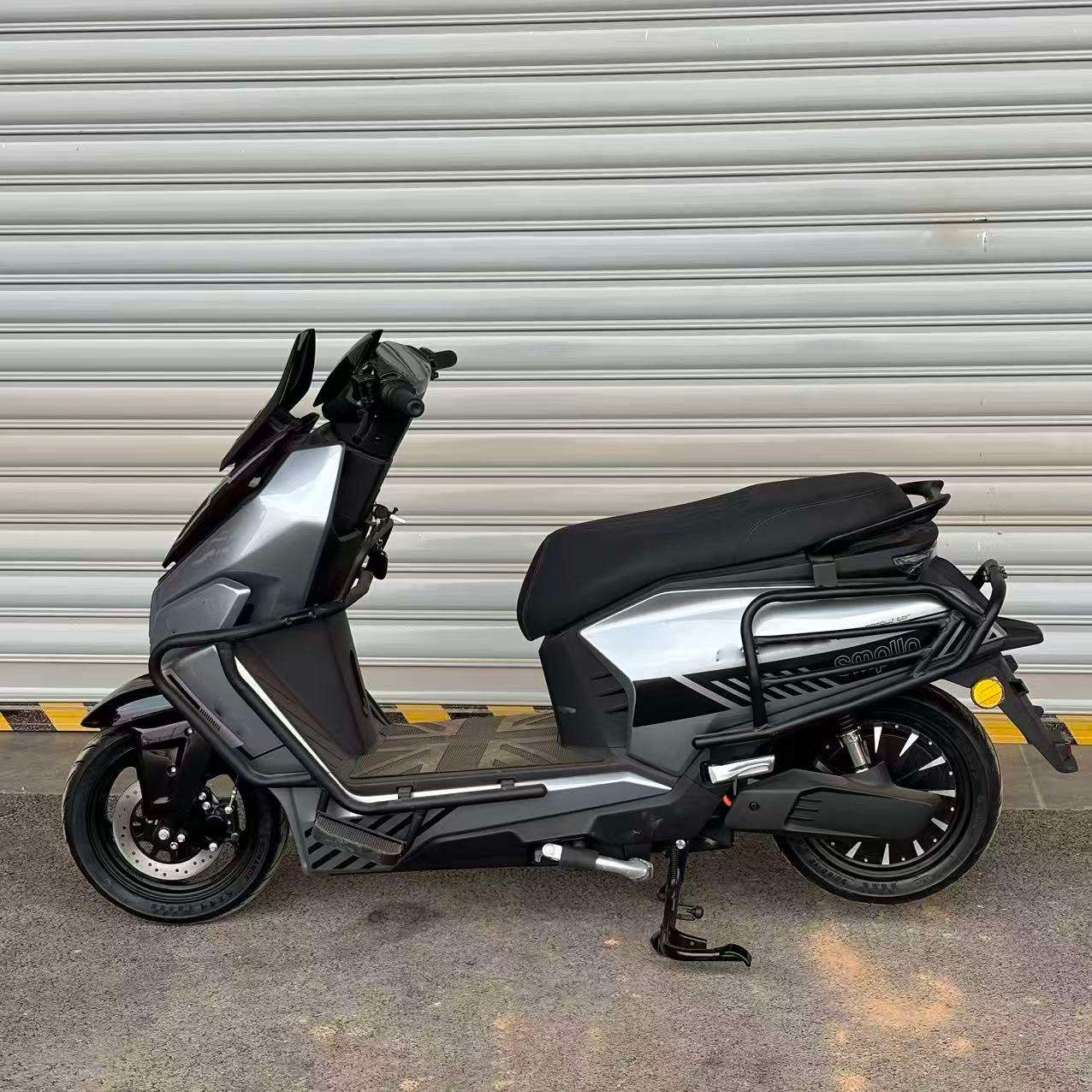
Now, on the EZBKE side, the positioning actually makes sense for where this market is heading. The electric motorcycle category page positions the company as an industrial-grade e-motorcycle manufacturer offering custom OEM/ODM for fleets and brands, with waterproof frames, UL-certified batteries, bulk pricing, technical customization, and worldwide logistics. The wider site also shows that Urban M covers multiple categories, including electric bike, electric motorcycle, electric kick scooter, sharing scooter, and foldable electric scooter.
That matters more than it sounds.
Because once a rider base broadens, the old “one hero model fixes everything” approach usually falls apart. A distributor needs one thing. A rental fleet needs another. A branded wholesale partner selling into stricter street-legal channels needs something else again. Different markets, different route maps, different pain points, different support expectations. Same product family? Maybe. Same exact setup? Usually not.
That’s why product matrix wins.
EZBKE’s lineup already shows that logic:
| Model | Best-fit use case | What problem it helps solve |
|---|---|---|
| S3 | City delivery fleets, rentals, daily urban rides | 45 km/h, 75–150 km range, removable Samsung battery, tubeless tires, dual disc brakes |
| S4 | Commuter fleets, bulk orders, custom programs | Portable battery, 75–150 km range, dual disc brakes, wet-road grip, easy parking |
| S5 | Street-legal city use, branded wholesale projects | 120–150 km range, 3000W Bosch motor, rebrand-ready design, lower warranty pressure |
| S5D | Mixed-road riding, all-terrain urban edge cases | Better fit for rougher surfaces, broader route tolerance, stronger use flexibility |
| S6 | Stronger urban riding, heavier-duty city use | 75 km/h top speed, 60–120 km range, CBS brakes, modular urban design |
| X1 | Compact city riding, EEC markets, custom business orders | 75–90 km range, 150 kg load, removable battery, EEC approval |
And Urban M fits naturally here—not as some slogan stapled onto the page, but as a business logic. City-focused mobility only works when the line-up can cover commuter comfort, rental uptime, daily route practicality, and easier rebranding for partners who don’t want a BOM circus six months later. That’s the kind of thing that keeps a program alive after the launch email is forgotten.
Real channel stuff.
OEM/ODM Customization and Spec Control Matter More as the Market Broadens
But let’s get even more real for a second. This isn’t only about who rides. It’s also about who buys at scale.
EZBKE’s own B2B content says something many wholesalers already know: the first big question is often, “Can you build it in our brand?” The next concern is spec drift. Buyers push for clear BOM control, color and panel options, packaging, labeling, and feature toggles like speed caps, lighting, and harness layout.
That sentence might look boring. It isn’t.
Because spec drift is where money disappears. Quietly. One batch pulls differently. One connector source changes. One controller tune slips. One wiring loom gets “optimized.” Then suddenly service tickets go up, replacement demand gets weird, dealers lose patience, and somebody on the buyer side has to explain why the sample bike and the shipment bike don’t feel like twins anymore. Welcome to the part nobody writes glossy blog posts about.
It happens.
And once the market becomes more diverse—more city users, more commuting use, more women riders, more route-based purchasing logic—tight spec control matters even more. Why? Because buyers stop forgiving nonsense. They need consistent units. Stable configurations. Predictable performance. A clean homologation trail. Less post-sale chaos. This is where OEM/ODM capability stops being a brochure claim and starts being a survival skill.
Especially in volume.
Final View: Yes, Women Are Helping Drive Growth, but Product-Market Fit Still Wins
So, are women driving growth in electric motorcycle sales? Yes. But not in the lazy, one-line way the headline suggests.
What’s really happening is this: more women are entering the rider mix, and that shift is amplifying a form of demand electric motorcycles already suit extremely well—urban, daily, practical, route-led use. At the same time, that broader demand is forcing suppliers and brands to clean up their act. Better usability. Better charging logic. Better geometry. Better serviceability. Better BOM discipline. Less nonsense.
That’s the real change.
I frankly believe the smarter takeaway isn’t “women are the trend.” It’s that women are part of a broader market correction. The category is moving away from vanity specs and toward lived-use fit. Toward machines people can actually use without babysitting. Toward products that work in traffic, in rental programs, in light fleet operations, in regular city routines. That kind of demand is harder to fake.
And much better for business.
For OEM buyers, wholesalers, and private-label brands, the move is pretty obvious now: don’t chase surface-level marketing angles and call it strategy. Build around the route. Build around real user friction. Build around the service loop. That means better commuter geometry, braking confidence, removable battery logic, clean certification support, tighter BOM control, and a line-up that can cover multiple urban scenarios without turning into SKU soup.
That’s why EZBKE’s electric motorcycle range feels commercially relevant here, and why the Urban M angle works when it stays grounded in actual use—not decoration. In this trade, the loudest pitch rarely wins. The product that’s easier to sell, easier to support, and easier to live with usually does.
Usually.