


-
414 Block B, ZT Times Plaza, Wuhan, Hubei, China

Blog
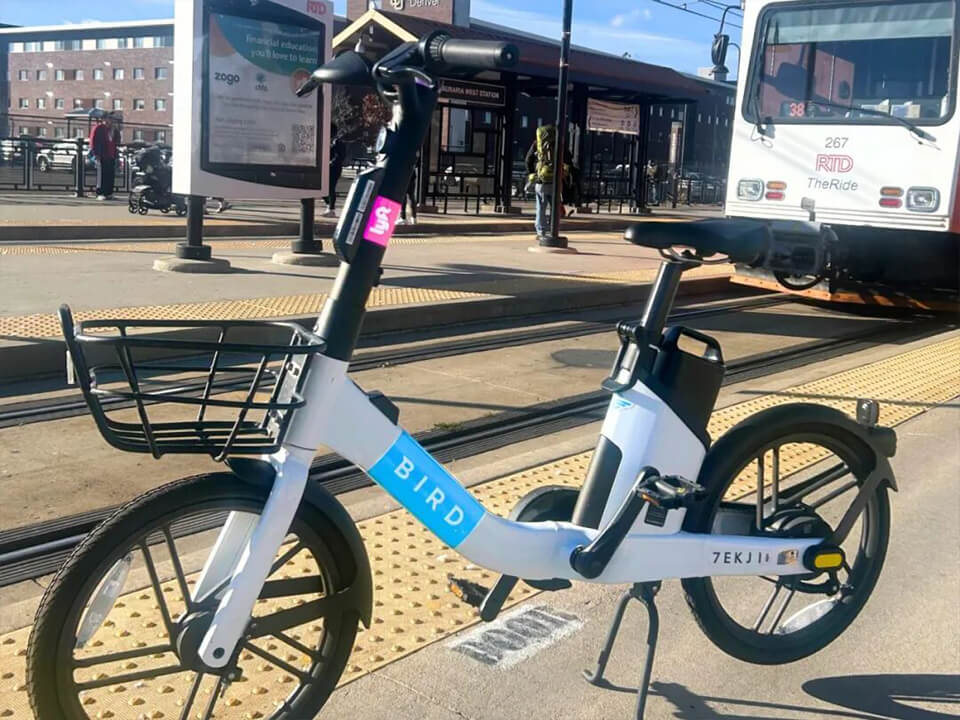
Are Electric Bikes Worth It? What B2B Retailers Should Know
E-bikes print money. And they also torch it, because the average retailer runs them like “bikes with a battery,” not like regulated electrical products with warranty exposure, parts dependency, and fire-risk optics that can bankrupt a brand faster than a slow season ever will. Want the blunt version?
If you’re asking “are electric bikes worth it,” you’re really asking two questions at once: will demand stay real, and will my downside stay contained.
Here’s what I’ve learned watching operators get it wrong: the bikes aren’t the risk. The system is.
Demand is real, but the channel is shifting
Three words: buyers moved online. In 2024, industry tracking cited by PeopleForBikes showed e-bike e-commerce growing faster than the independent bike dealer channel, and much of that online growth was “click and collect,” meaning retailers still get foot traffic if they structure inventory and service correctly. According to PeopleForBikes’ 2024 e-bike market insights, the signal isn’t “stores are dead,” it’s “stores that refuse omnichannel are dead.” So what’s the retailer play?
You stock what ships. You service what sticks. You stop pretending the sale is the finish line.
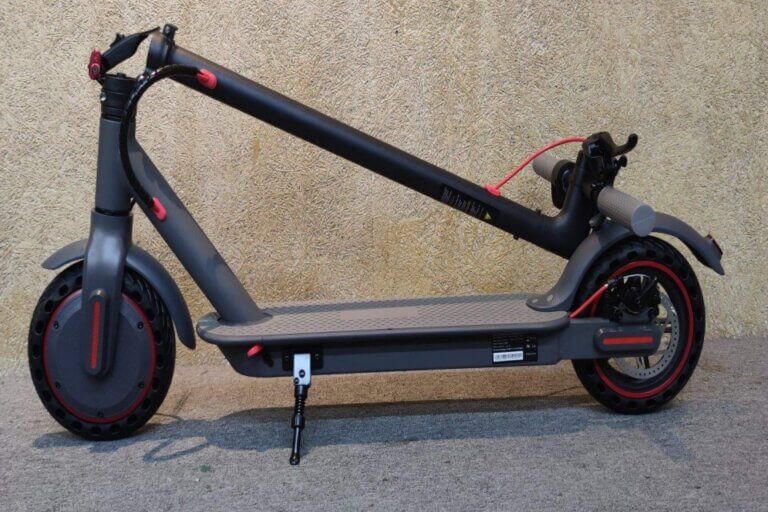
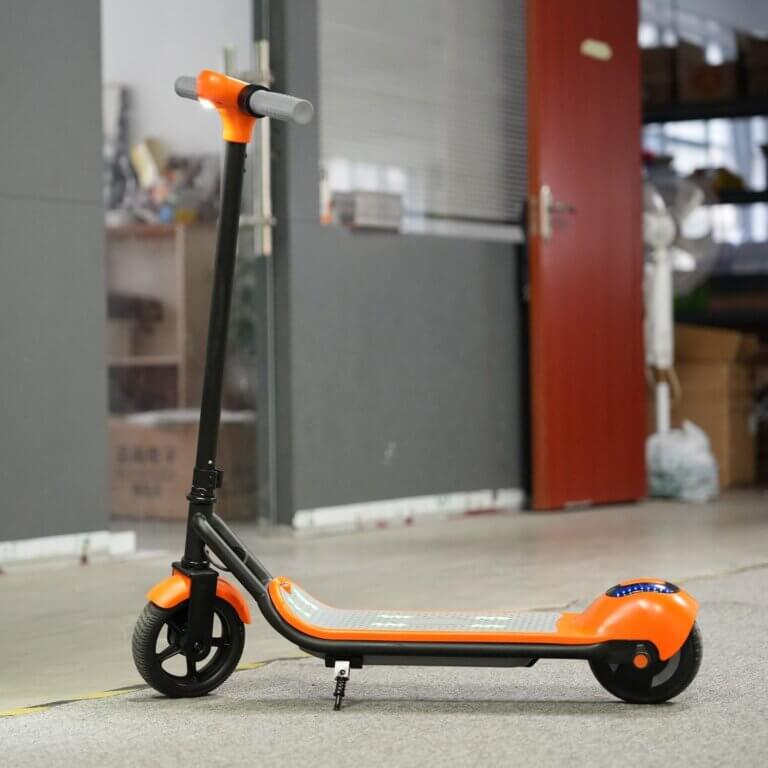
If you want a quick scan of what a supplier actually offers across categories (not just e-bikes), start with a full catalog like wholesale electric bikes and scooters product lineup and then filter down to a tight core assortment, not a scattershot wall of SKUs.
The ugly truth: safety compliance is now a sales requirement, not a nice-to-have
Two words: battery politics. New York City didn’t “recommend” safer devices; it pushed enforcement teeth into the channel: since Local Law 39 took effect (September 16, 2023), NYC requires e-bikes sold/leased/rented to be certified to UL 2849, and batteries to UL 2271, per the city’s own enforcement update. See NYC DCWP’s 2024 announcement on Local Law 39 enforcement and UL standards. If a major city is doing that publicly, what do you think insurers, landlords, and corporate buyers do quietly?
And the federal warnings keep coming. The U.S. regulator isn’t subtle: in April 2024, the CPSC warned consumers to stop using certain Unit Pack Power e-bike batteries due to fire/burn hazards, calling out specific models and the risk of serious injury or death in a public notice: CPSC warning (April 15, 2024) on UPP e-bike batteries. You sell into that environment. You inherit that risk.
So yes, electric bikes worth it—but only if your supplier can prove certifications, traceability, and consistent pack/charger pairings. UL 2849 is not a sticker; it’s a system-level test and listing concept. UL explains what’s being evaluated under that standard here: UL’s overview of UL 2849 certification.
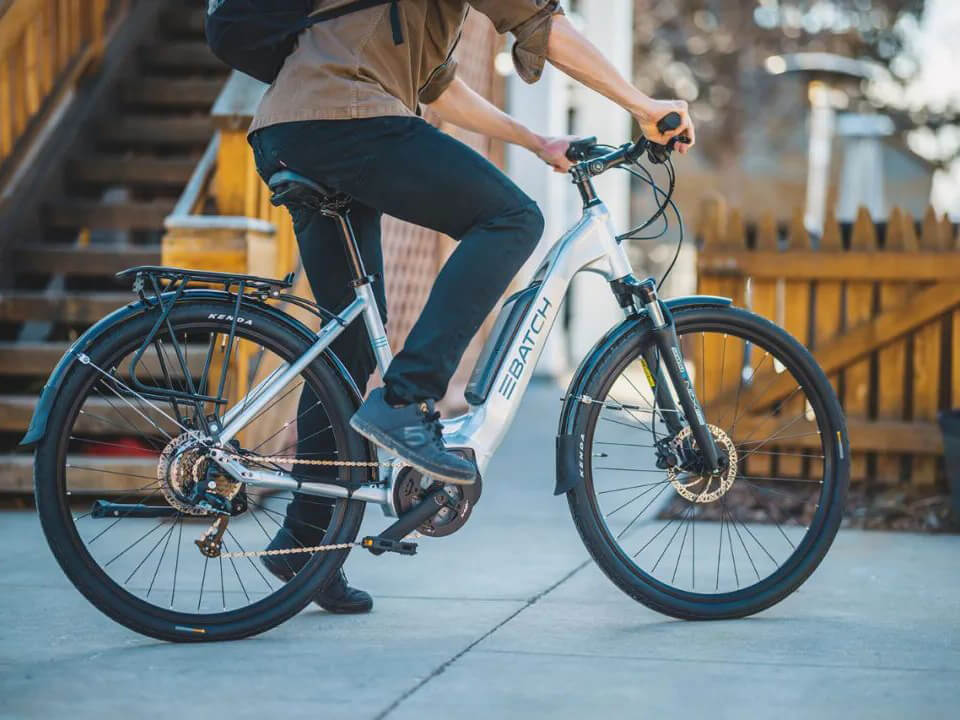
The retailer risk nobody budgets: “brand collapse” and orphaned warranties
Three words: VanMoof happened. In 2023, Reuters reported VanMoof’s bankruptcy and later noted it sold around 200,000 bikes priced above €2,000, with “high maintenance costs” cited as a contributing factor—exactly the kind of failure mode that leaves retailers and customers holding the bag when parts, diagnostics, and warranty support vanish. See Reuters on VanMoof’s bankruptcy (July 18, 2023) and Reuters on the acquisition context and quality/maintenance issues (Aug 31, 2023). Do you want to be the retailer explaining to a fleet buyer that a proprietary controller is now a paperweight?
Hard rule: avoid supplier ecosystems that can’t survive parts demand spikes. Favor modular builds: common brake sets, standard tires (20×4.0, 26×2.1), and battery formats you can source in compliant channels.
What “electric bike ROI” looks like when you stop lying to yourself
Margins don’t save you; discipline does. If you want a sane electric bike cost vs value model, you reserve for warranty, you price service, you account for freight damage, and you treat battery support as a contractual deliverable—not vibes.
Here’s a simple, retailer-grade way to think about it:
| ROI Lever | What most B2B retailers assume | What actually happens | What I’d do |
|---|---|---|---|
| Gross margin | 25–40% solves everything | Discounting + returns chew it fast | Set a minimum advertised price policy (MAP) or accept thinner margins and charge for service |
| Warranty rate | “Low, it’s new” | Controllers, displays, battery connectors fail early if QC is weak | Require pre-shipment QC checklist + spare parts bundle per 20 units |
| Battery incidents | “Rare” | One incident can trigger landlord bans, fleet cancellations, reputational rot | Stock only certified systems; document UL/NRTL listing evidence in every B2B deal |
| Service capacity | “We’ll figure it out” | You become a free repair shop | Price labor, publish SLA tiers, and gate warranty work to compliant chargers/batteries |
| Parts availability | “Supplier can ship” | Lead times + model revisions break continuity | Buy models with stable BOM + commit to 12–24 months of parts stocking |
Now, inventory strategy.
If your buyers are commercial (delivery, campuses, security patrol, rental ops), cargo and utility matter more than “cool.” That’s where the benefits of electric bikes for retailers get real: repeat orders, fleet spares, predictable wear items.
Examples of the kinds of SKUs that map to real B2B use-cases:
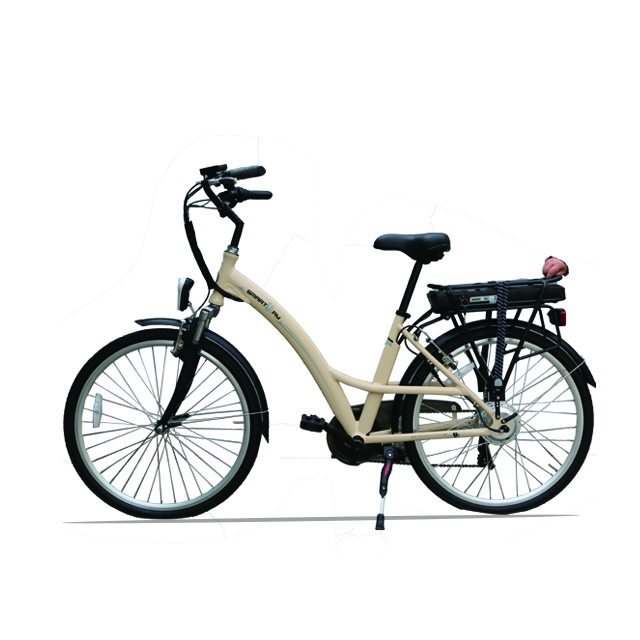
- For fleet-friendly, low-drama sales, point customers to a consistent model like wholesale peak power 450W electric bike from a China factory and sell a service plan with it.
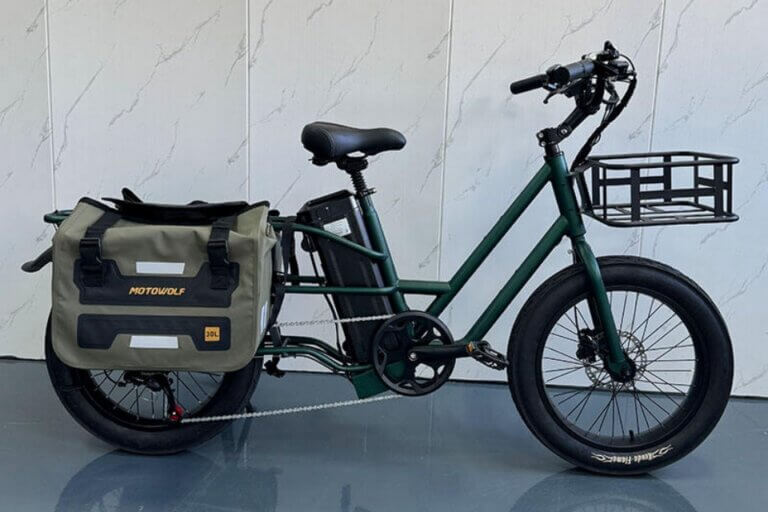
- For last-mile and facilities teams, cargo wins: 350W electric cargo bike with dual battery and heavy-duty rack is the kind of spec buyers actually interrogate (battery redundancy, rack rating, daily uptime).
- For enclosed carrying and stability use-cases, three-wheel platforms exist for a reason: 750W 3-wheel electric cargo bike with large front box.
And if you want your SEO architecture to do actual work, don’t bury the money pages—use an internal hub like electric bike wholesale category pages to capture “best electric bikes for commercial use” intent, then funnel into 3–5 hero SKUs.
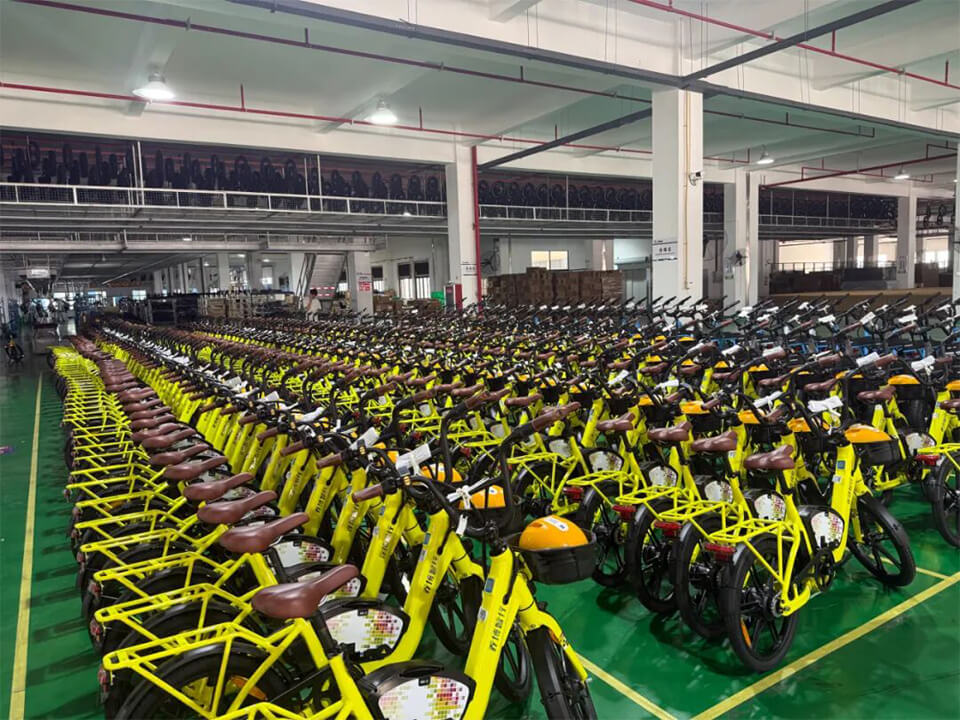
The checklist I’d use to choose e-bikes for retail inventory
Short sentence. If it’s not serviceable, it’s not sellable, because the fastest way to destroy e-bike ROI is letting “support” become an unpriced, unlimited obligation that your staff ends up absorbing on the shop floor. Still want to do it anyway?
Here’s the filter:
- Certification proof: UL 2849 (system), UL 2271 (battery), UL 1012/1310/62368-1 style coverage on chargers (depending on market), and lab documentation you can show a corporate procurement team.
- Battery chemistry disclosure: NMC vs LFP, nominal voltage (36V/48V), pack capacity (Ah/Wh), BMS features (overcurrent, temp cutoff, cell balancing).
- Spare parts kit: displays, controllers, brake pads, derailleur hangers, battery mounts, chargers. Not optional.
- BOM stability: model name stays the same, parts stay the same. Version churn kills you quietly.
- Packaging and freight: drop-test packaging, photo evidence on pallets, replacement policy in writing.
- Service terms: who pays labor, who pays shipping, what triggers DOA replacement, what’s the SLA.
If you need a supplier conversation, don’t make it “send price list.” Make it “send compliance pack + parts schedule + warranty terms.” That’s why pages like EZBKE’s contact channel for wholesale and service terms matter more than the glossy hero banners.
FAQs
Are electric bikes worth it for B2B retailers?
Electric bikes worth it for B2B retailers means the category can produce sustainable profit after warranty reserves, service labor, returns, and compliance costs are correctly priced in, rather than judged only by headline gross margin on the initial sale. If you pair certified systems with paid service plans and stable parts supply, yes; if you gamble on cheap packs and no service model, no.
What is electric bike ROI in retail, really?
Electric bike ROI is the net financial return a retailer earns after accounting for unit margin, accessory attach rate, paid service revenue, warranty and return losses, freight damage, and the cost of holding parts inventory and technician capacity. In practice, ROI spikes when you sell fleets, standardize SKUs, and monetize service instead of “free support.”
What safety certifications should B2B retailers demand for e-bikes?
E-bike safety certifications are third-party verifications that the electrical drive system, battery, and charger meet defined fire and electrical safety standards under controlled tests, reducing risk for retailers, customers, and insurers. For the U.S., prioritize UL 2849 for the e-bike electrical system and UL 2271 for batteries, especially with enforcement trends like NYC’s. See NYC’s Local Law 39 enforcement summary and UL’s UL 2849 overview.
Should retailers sell electric bikes in 2026, given market volatility?
“Should retailers sell electric bikes in 2026” means deciding whether to commit inventory, service capacity, and compliance overhead to a category where demand remains meaningful but failure penalties are higher than analog bikes due to batteries, electronics, and reputational risk. My take: sell them if you standardize 3–5 models, lock parts and certification proof, and build paid service into every deal; otherwise, stay out.
CTA
If you’re serious about making e-bikes profitable (and defensible) in B2B, stop shopping like a consumer and start buying like a risk manager. Browse a tight shortlist from the full wholesale e-mobility catalog, pick your 3–5 core models, then push suppliers for certification packs, BOM stability, and parts SLAs before you place a single bulk order.